 Anthropology.net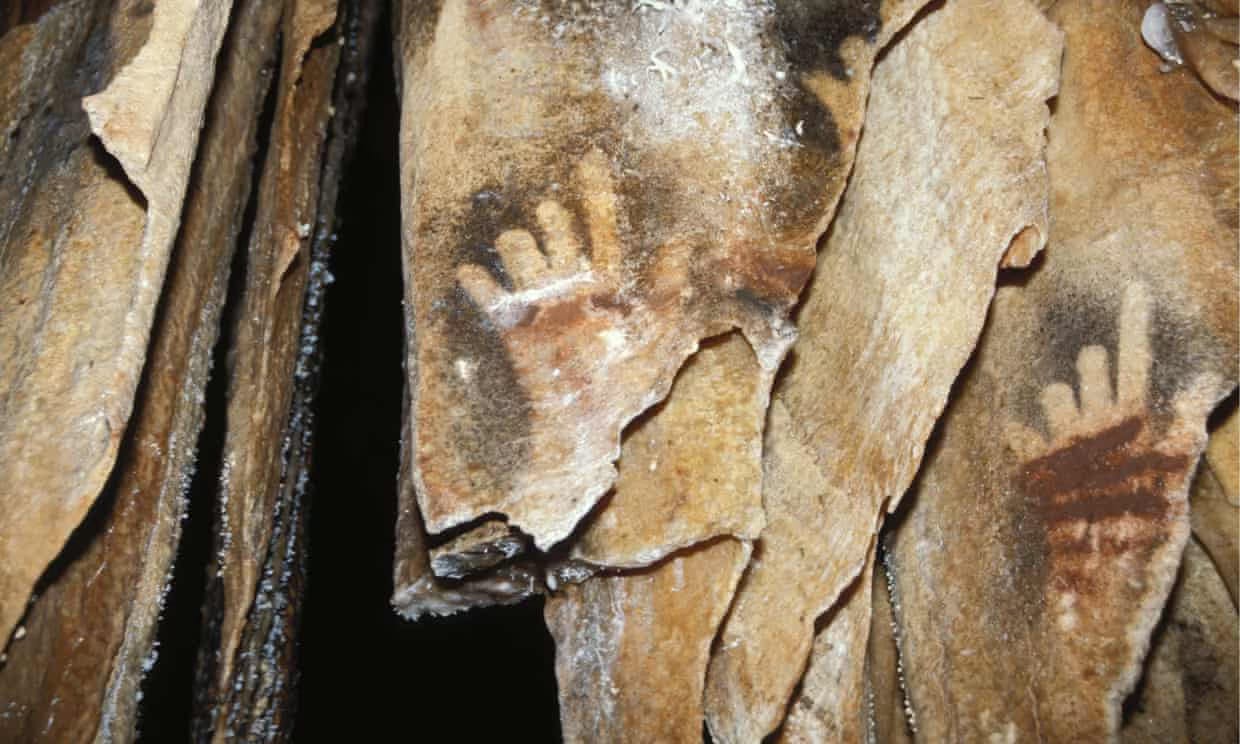
The exploration of prehistoric cave art has long captivated the imagination, offering a glimpse into ancient cultures and rituals. However, recent revelations by Canadian scientists have ignited a discourse challenging traditional interpretations. Their findings, presented at annual meeting of the European Society for Human Evolution, delve into the haunting mysteries shrouding handprints found in caves worldwide, suggesting a ritualistic practice of finger amputation.
A Macabre Discovery
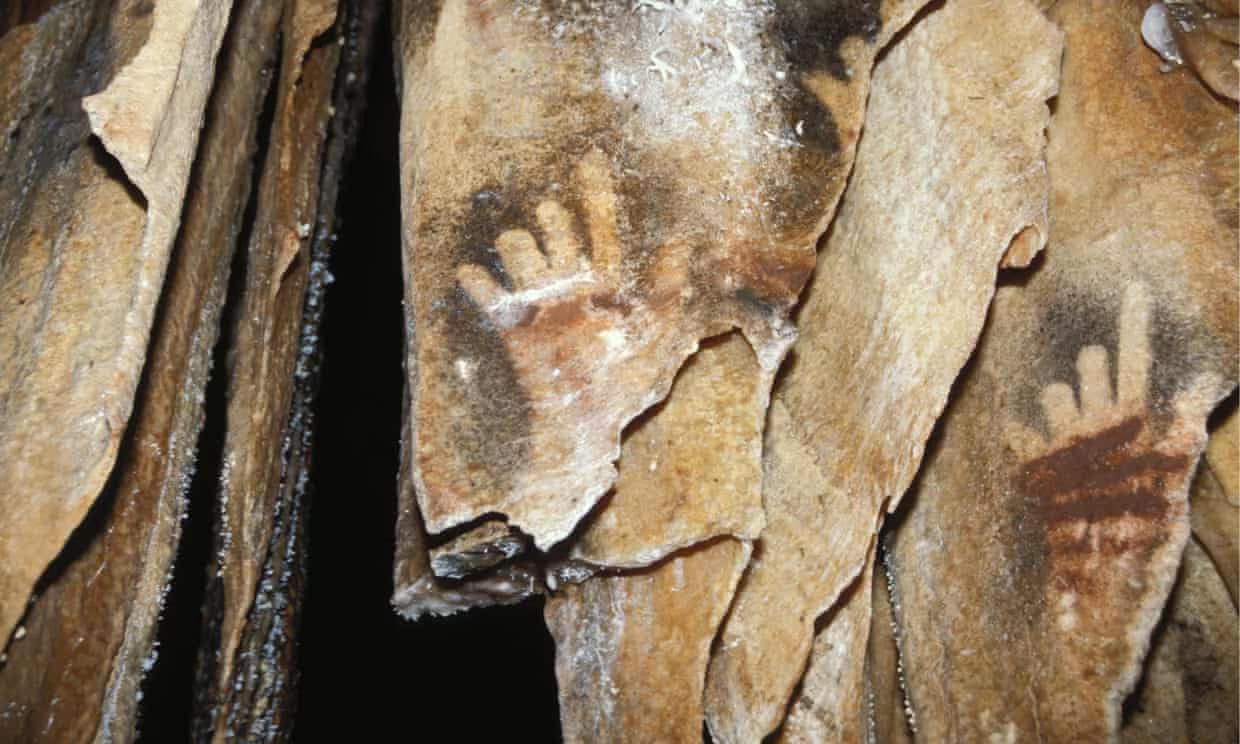
These cave paintings, dating back 25,000 years, depict handprints, yet a striking peculiarity emerges – over 200 prints lack one or more digits. Initially dismissed as artistic abstraction or physiological anomalies like frostbite, these missing segments now take on a more deliberate, chilling significance.
A Grotesque Ritual?
Lead archaeologist Prof Mark Collard of Simon Fraser University in Vancouver posits a startling thesis – that these missing digits may have been deliberately amputated in a quest for aid from supernatural forces. Contrary to previous attributions, this intentional removal might have been a ritualistic practice aimed at invoking divine assistance, fostering social bonds, or honoring deceased loved ones.
A Global Phenomenon
This gory practice wasn’t confined to a specific era or location. Collard draws parallels between these ancient handprints and the Dani people of New Guinea, who ritually amputate fingers after personal losses. This pattern, Collard argues, transcends time and continents, suggesting a universal human tendency towards such practices.

Challenging Skepticism
Initial skepticism arose due to the perceived challenges such amputations would pose in harsh prehistoric conditions. However, Collard's team, spearheaded by PhD student Brea McCauley, bolstered their thesis with additional evidence. Their study scrutinized handprints from caves in France and Spain, revealing consistent instances of missing digits across various cave sites.
A Global Tapestry of Self-Mutilation
Beyond Europe, evidence of finger amputation surfaced across diverse societies worldwide. Over 100 instances from Africa, Australia, North America, and Asia emerged, emphasizing the widespread, recurrent nature of this practice. These findings question the belief that such rituals were isolated or limited to specific cultures.
A Radical Understanding of Ritual
Collard posits finger amputation as a radical ritual akin to modern extreme rituals like fire-walking or skin-piercing, fostering cooperation within groups. This practice, still prevalent in contemporary societies, could have served as a bonding mechanism or a means of social cohesion among ancient communities.
The revelation of deliberate finger amputation behind prehistoric handprints challenges established narratives, unveiling a darker, more intriguing aspect of ancient rituals and human behaviors. As we unravel more enigmatic imprints from the past, the macabre practice of finger amputation remains a haunting testament to our complex, ritualistic history.

 Stand Up Guys Blog
  Dynamic Business
  Go Junk Free Blog
  South China Morning Post
  Entertainment Tonight
  Refinery29