
Shoulder Instability and Rotator Cuff Injuries
Shoulder rotator cuff tendinitis is a condition characterized by inflammation of the tendons that make up the rotator cuff, namely the supraspinatus, infraspinatus, teres minor, and subscapularis tendons. While tendons play a crucial role in this condition, it is also important to understand the role of ligaments in shoulder stability and the development of rotator cuff tendinitis.
The Biomechanics of Shoulder Stability
The shoulder joint is the most mobile joint in the human body, allowing for a wide range of motion at the upper limb. However, this mobility comes at the cost of stability, as the bony surfaces offer little support. Instead, the surrounding shoulder muscles and ligamentous structures offer the joint security. The stability of the shoulder joint relies on the coordinated activity of the 18 muscles that directly attach to the scapula. The scapular muscles must dynamically stabilize the joint throughout movements. The neuromuscular control of the shoulder also requires a well-developed sense of motor control and proprioception.
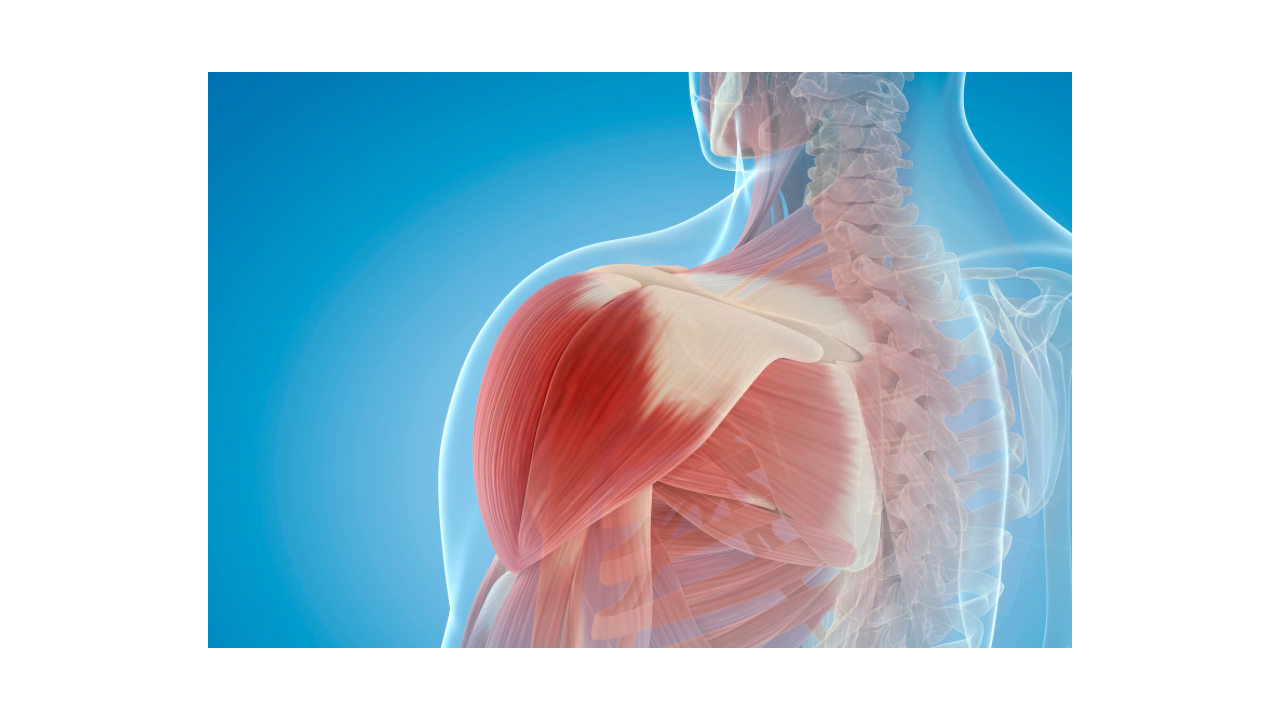 The passive structures of the shoulder, including the labrum, joint capsule, and ligaments, as well as the active structures, including the muscles and associated tendons, work cooperatively in a healthy shoulder to maintain dynamic stability throughout movements. The surface of the humeral head is three to four times larger than the glenoid fossa of the scapula, which allows for the wide range of movement available at the shoulder joint but is also the reason for the lack of joint stability. The capsule, ligaments, and tendons of the rotator cuff muscles provide the joint with stability.
Ligaments and Rotator Cuff Tendinitis
While rotator cuff tendinitis primarily affects the tendons of the rotator cuff, the integrity and stability of the ligaments in the shoulder joint can also play a role in the development and progression of this condition. Ligament laxity or instability can lead to abnormal movement of the humerus within the shoulder joint, potentially causing excessive stress on the rotator cuff tendons. Over time, this can lead to micro-tears in the tendons and subsequent inflammation, contributing to rotator cuff tendinitis.
The ligaments involved in shoulder stability include the acromioclavicular (AC) ligament, coracoclavicular (CC) ligaments, glenohumeral ligaments, and transverse humeral ligament. The AC ligament connects the acromion (part of the shoulder blade) to the clavicle (collarbone) and helps stabilize the joint. The CC ligaments connect the coracoid process (a bony projection of the shoulder blade) to the clavicle, providing additional stability to the joint. The glenohumeral ligaments reinforce the joint capsule of the shoulder and help prevent excessive move ment of the humerus in relation to the glenoid (part of the shoulder blade). The transverse humeral ligament holds the long head of the biceps tendon in place within the shoulder joint.
Traumatic injuries, such as shoulder dislocations or falls on an outstretched arm, can damage both ligaments and tendons in the shoulder joint. These injuries can disrupt the normal biomechanics of the joint and increase the risk of rotator cuff tendinitis. Additionally, weak or damaged ligaments can contribute to shoulder instability, which may increase the risk of rotator cuff tendinitis. Instability can result from ligament sprains or tears, repetitive stress on the ligaments, or underlying joint laxity.
Muscle Functions and Common Causes of Injuries
The rotator cuff is a group of muscles that attach via tendons to the head of the upper arm bone (the humerus). The function of the cuff is to center the head of the humerus in the socket and move the arm. These tendons are in a constant state of rebuilding and breaking down. When the rate of breaking down exceeds the ability of the tendon to rebuild, micro-tears occur causing pain and inflammation. This inflammation is known as tendonitis.
A strain of the rotator cuff is a single acute, traumatic injury to the muscles. Tendinitis typically results from chronic impingement of the supraspinatus tendon between the humeral head and coracoacromial arch (the acromion, acromioclavicular joint, coracoid process, and coracoacromial ligament). Degenerative rotator cuff tendinitis is common among older (> 40 years) people who are not athletes for the same reason. Subacromial bursitis (infla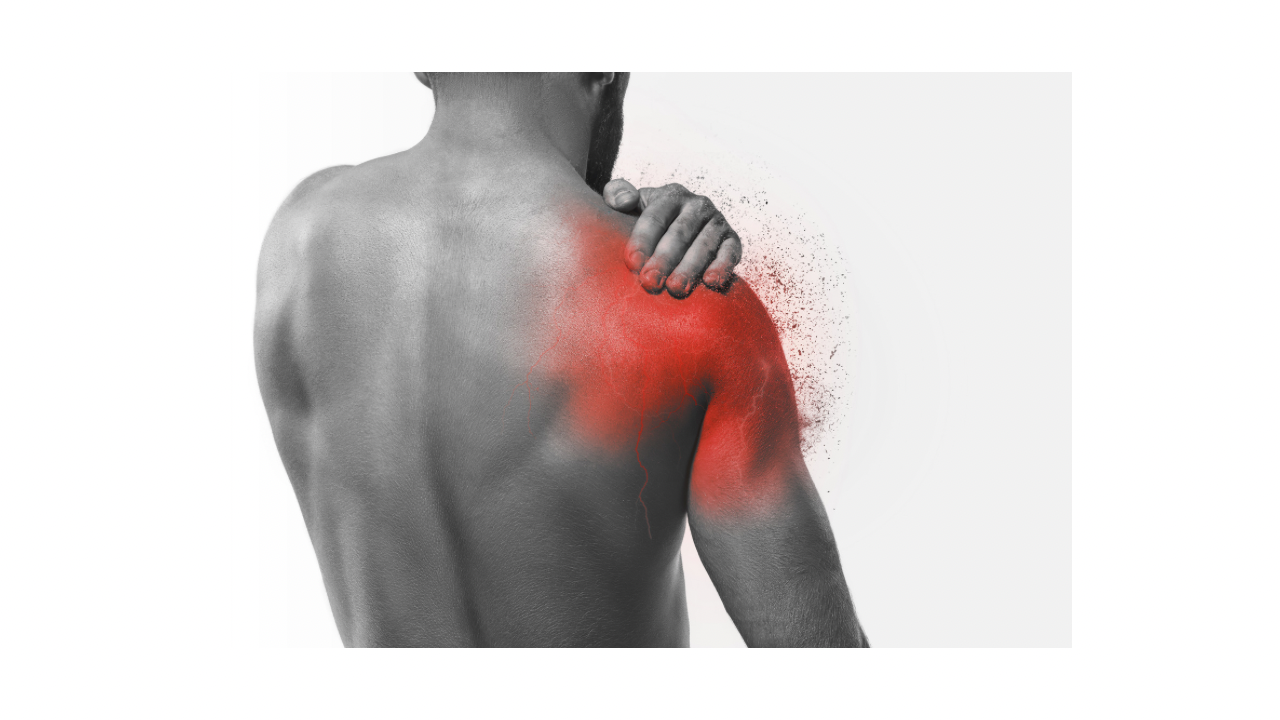 mmation, swelling, and fibrosis of the bursal area above the rotator cuff) commonly results from tendinitis of the cuff.
The most common injuries to the rotator cuff are often referred to as rotator cuff tears (micro or macro tearing of the muscles or tendons) and rotator cuff tendinitis (acute inflammation of the rotator cuff soft tissue). Poor biomechanics, such as postural dysfunctions (anterior posture of the GH in the glenoid cavity, for example) can prematurely affect the quality of the rotator cuff muscles and tendons due to repetitive strains and tissue encroachment. The most common signs of rotator cuff injuries are pain (may or may not be present), painful range of motion, and weakness of the arm.
Conclusion
Understanding the importance of ligaments in conjunction with tendons is essential for a comprehensive understanding of rotator cuff tendinitis and its management. The biomechanics of shoulder stability involve the coordinated activity of multiple muscles, ligaments, and tendons. Ligament laxity or instability can lead to abnormal movement of the humerus within the shoulder joint, potentially causing excessive stress on the rotator cuff tendons and contributing to rotator cuff tendinitis. Traumatic injuries can also disrupt the normal biomechanics of the joint and increase the risk of rotator cuff tendinitis. By considering the role of ligaments in shoulder stability, healthcare professionals can provide more comprehensive care for individuals with rotator cuff tendinitis.
Medical Literature and Resources
To support the information provided, here are some relevant sources from the medical literature:
“Rotator cuff tendinitis and tear (Beyond the Basics) – UpToDate”
“Subacromial bursitis”
“Shoulder Impingement/Rotator Cuff Tendinitis – OrthoInfo”
“Rotator Cuff Tendonitis – StatPearls”
“Rotator Cuff Injury/Subacromial Bursitis” – Merk Manuals”
—
More from Chicago Arthritis and Regenerative Medicine
Read more about Regenerative Medicine treatment options for shoulder pain.
See how we treat rotator cuff tendinitis with bone marrow concentrate stem cells.