
 Black Film Archive by Maya S. Cade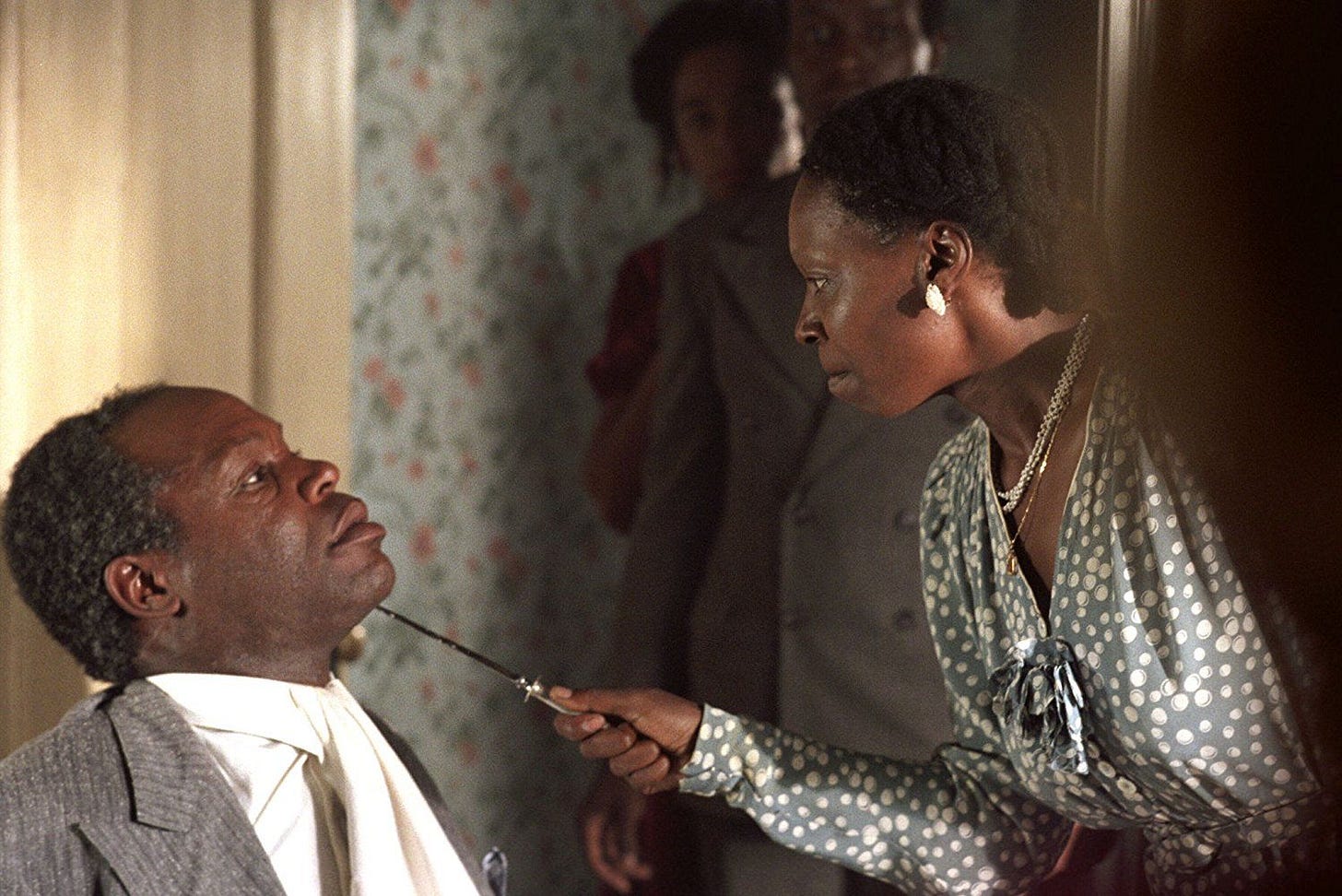
Black Film Archive is a living register of Black cinema. This newsletter is its blog. Thank you so much for reading and subscribing.
The dispute about Black women’s right to anger, revenge, and truth has been the central sparring ground of cinematic conversation since the screen adaptation of Alice Walker’s novel The Color Purple premiered in 1985. The work’s debut—in text and on screen— coincided with a moment of hypervisibility for Black women artists across mediums: Gwendolyn Brooks became the first Black person named U.S. Poet Laureate in 1984; Toni Morrison and Alice Walker won Pulitzer Prizes for their world-shifting novels Beloved (1988) and The Color Purple (1983); Zora Neale’s Hurston work was reissued in 1985 after deep championing by Walker; Ntozake Shange’s for colored girls who have considered suicide / when the rainbow is enuf transformed the stage1 in the late 1970s; Pam Grier owned the 1970s as cinema’s first woman action star.
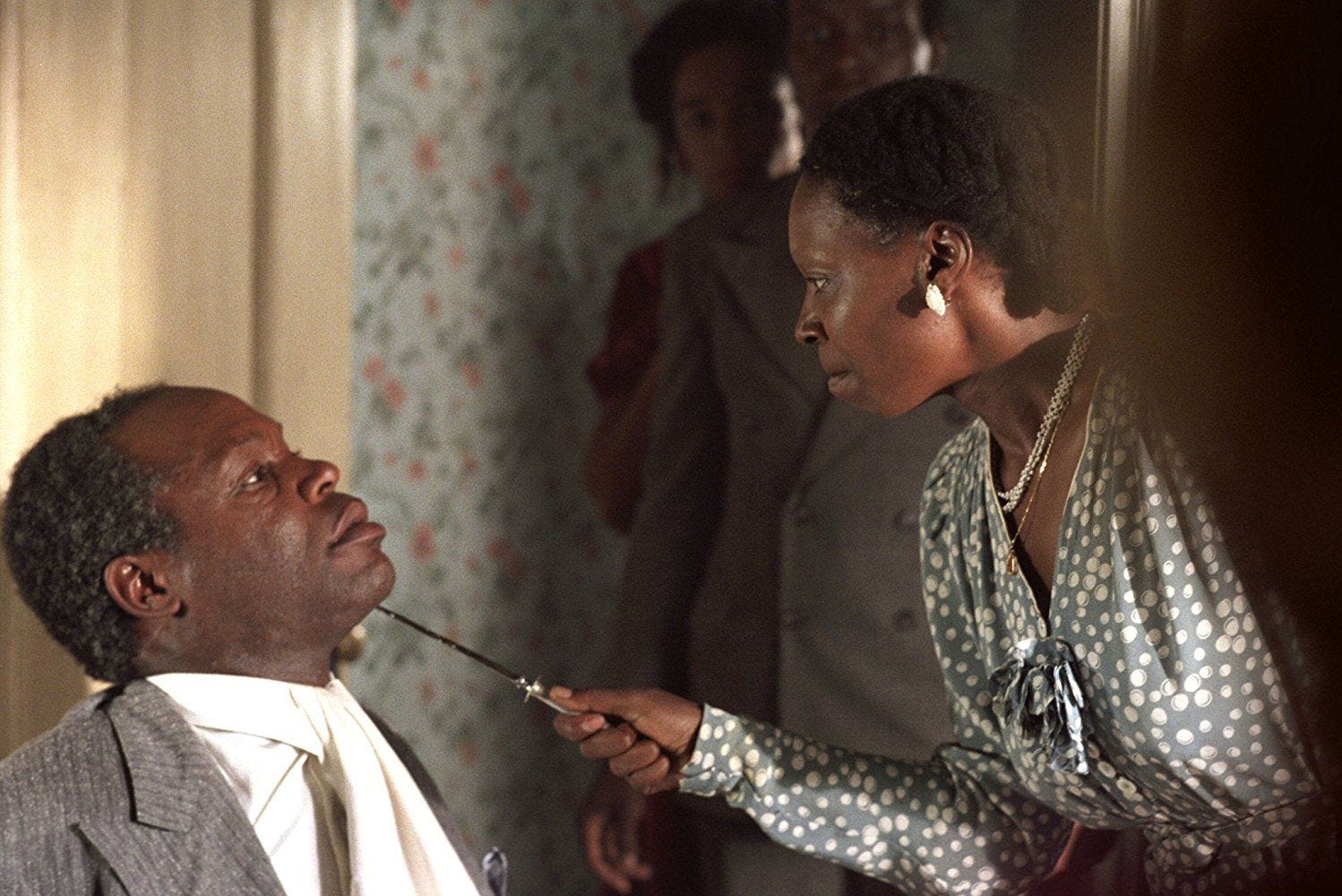
The Color Purple, directed by Steven Spielberg, was the most discussed and controversial cinematic work of its day. The film—Hollywood’s first attempt at the Black woman’s picture— centers on Celie, a Black woman sexually, mentally, and physically abused by Black men for most of her life. The dearth of widely recognized messages that spoke the emotional language of Black women means that this beloved work being helmed by the white and male Spielberg was a prime battleground for heated discussion on all sides.
Black women were left clinging, as often happens, to the parts of The Color Purple, the motion picture, that spoke to us. "Black women should not be sacrificed for Black men's pride. Let the film roll," one Black woman viewer told the New York Times2 in January 1986. In this moment of mass cultural celebration of Black women artists, the film, like the novel that came before it, was criticized for being “the most racist depiction of Black men since The Birth of a Nation.” and “the most anti-Black family film of the modem film era,” by Tony Brown, the host of the well-regarded PBS program.3 His sentiment was echoed by other prominent Black male figures of the day. Spike Lee, while interviewed by Film Comment in 19864, suggests Hollywood’s impetus to adapt the work was because Black men were depicted as “one-dimensional animals.” He continues to say “the quickest way for a Black playwright, novelist, or poet to get published has been to say that Black men are shit. If you say that, then you are definitely going to get media, your book published, your play done - Ntozake Shange, Alice Walker.” A point, the writer Mel Watkins expanded upon in The New York Times, “Those Black women writers who have chosen Black men as a target have set themselves outside a tradition that is nearly as old as Black American literature itself. They have, in effect, put themselves at odds with what seems to be an unspoken but almost universally accepted covenant among Black writers.”5
The Color Purple’s 40-year-war—and by effect the war faced by the agency of Black women artists– is a sparring between those who believe the movie’s themes — misogynoir, sexual abuse, and sexual agency — aired out intracommunity issues that are best left to minimization and internal conversation and those who see art as a tool to express the dynamic range of Black women’s lives. 1985’s war remains the battlelines drawn today as this month’s release of Is God Is (2026)6 re-awakens the storm with the same points echoed across time.
Two pressing questions emerge. The first: Are Black women traitors to the race when the violence waged against us comes from those we hold dear? When Black women directors, artists, and writers hold a mirror to our experiences, intracommunity shame isn’t our guide… the truth is. To be human is to have the ability to wage every possibility of life—the strife, the bliss, the hurt—that is the beauty and the terror. When Black women artists create worlds that center wholly on the Black life, Black antagonists are a natural point of creation. Black women artists illustrating the violence waged against women and children isn’t a direct condemnation of men, but a commendation of patriarchal order; a belief that unity between genders—and those beyond it— are only possible when Black men are the heroes of the tale. In order to create a victor, you have already submitted yourself to the belief that there was someone conquered.
The second pressing question: What is the film’s responsibility to Black people? By denying Black women agency over their storytelling (as writer, director, or artist), we suggest, again, that silence–protecting a sanctified Black image– is more urgent than artistic expression of our life and the pain we experience. The question also does not have one solution and each artist is working it out for themselves.
As Audre Lorde poses to us:
Whether we speak or not,
The machine will crush us to bits—
and we will also be afraid
Your silence
will not
protect you
Finally, on writing The Color Purple, Alice Walker notes, “It is, in the end, the saving of lives that we writers are about… We do it because we care… We care because we know this: the life we save is our own.”
The life we save is our own.
In this moment of Black women’s revenge being the topic of the day, I’m reflecting on other films across time that speak to this thematic range. Below are some films you can watch on Black Film Archive now. All of these films move beyond simply being revenge tales, but the ponderance of revenge is a sweet entry point.
Black Girl (1972) dir. Ossie Davis
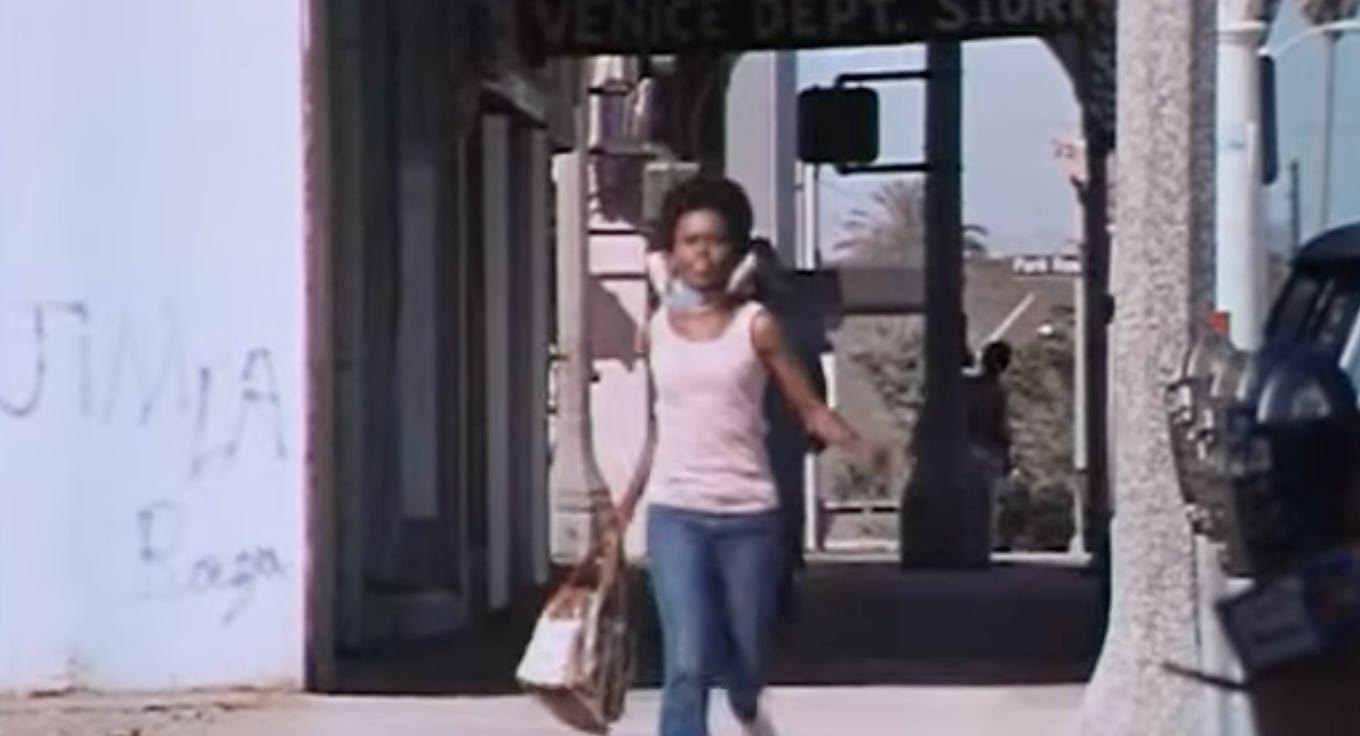
Black Girl, based on J.E. Franklin’s stageplay of the same name, is an atypical revenge story as it centers Black girls on the edge of breaking through–to college, to something real— whose dreams are almost thwarted by the pressures of living and competing with each other for their mother’s affection. Stars the great Claudia McNeil, Leslie Uggams, and Peggy Pettitt.
Sugar Hill (1974) dir. Paul Maslansky
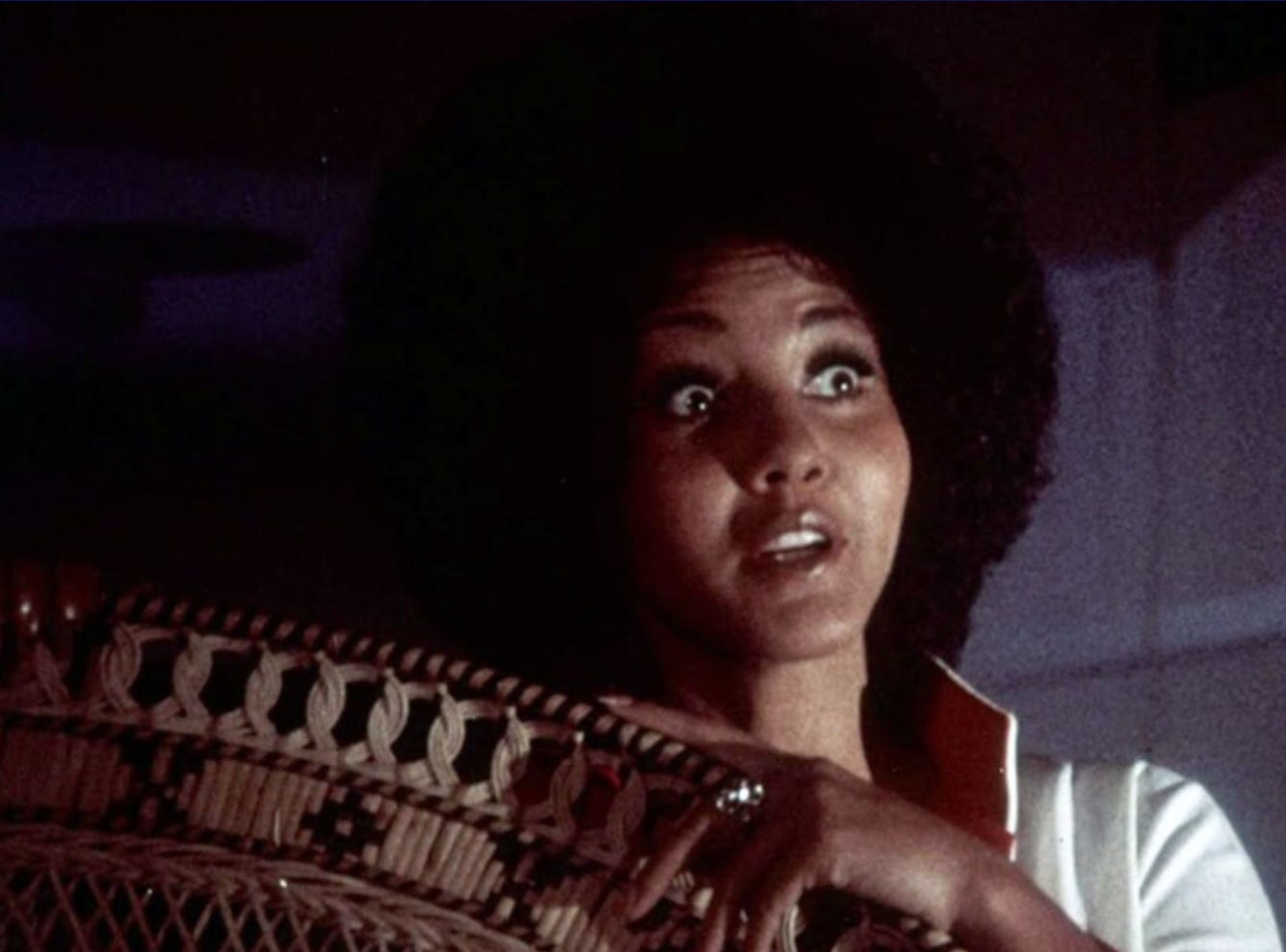
After the mob kills her boyfriend, Diana (an infectious Marki Bey) takes revenge into her own hands by enlisting a voodoo high priestess’s curse to raise an army of the dead.
Coffy (1973) dir. Jack Hill
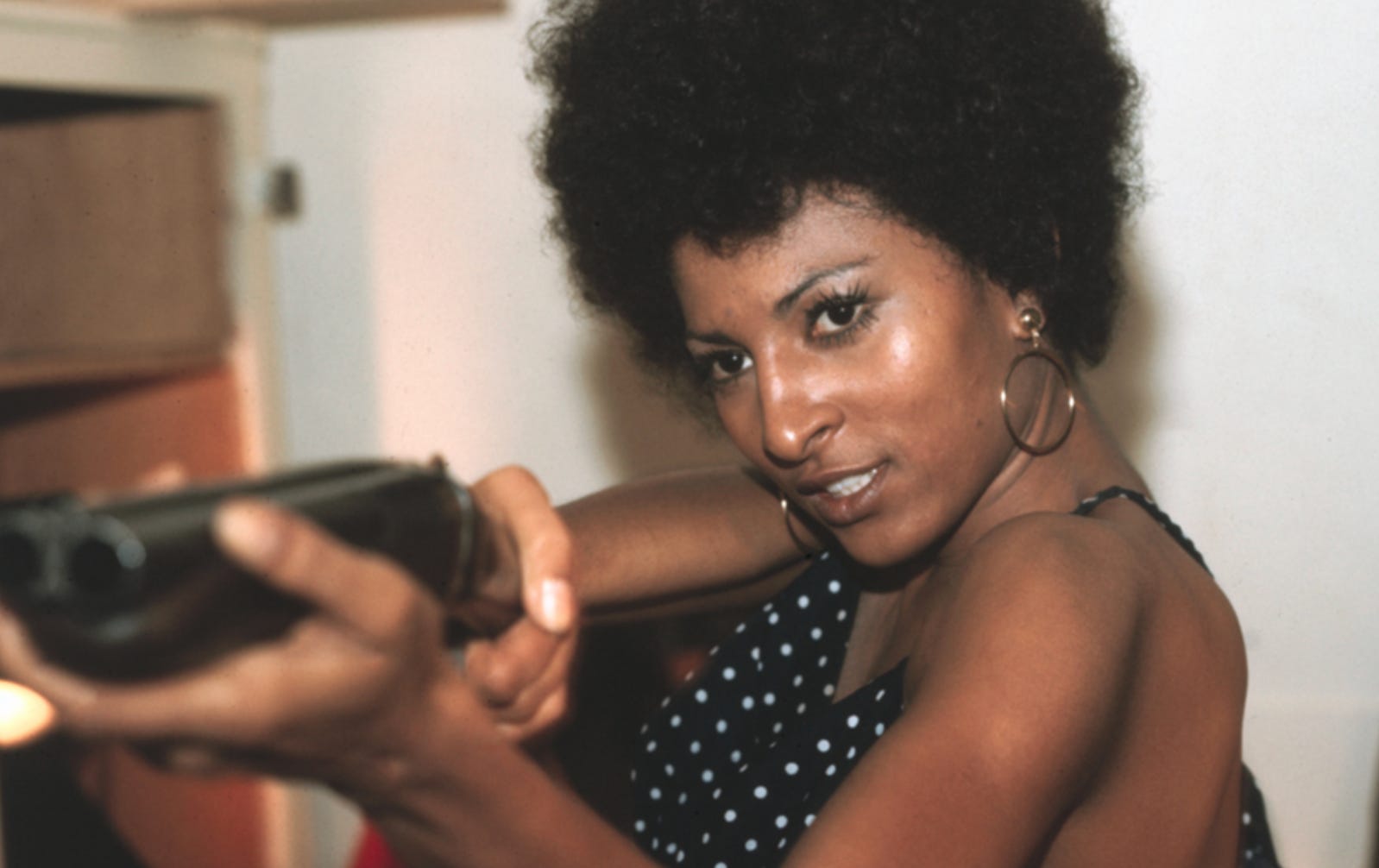
By day Coffy (Pam Grier) is a nurse, by night she’s carrying out a personal vendetta against those who got her sister addicted to drugs killing dealers and anyone else on her path to justice.
Watch the 1982 screen adaption of the play on Black Film Archive here. For Colored Girls, of course, is looped in with The Color Purple in the same debate.
The successor to PBS’s Black Journal, which Tony Brown began hosting in 1971.
 TheBlueRidgeGal
 Tim Ferriss
 Neuromarketing - Where Brain Science and Marketing Meet
 Redmond Pie
 FanBolt
  Social Lifestyle Magazine