
Customer feedback management can be daunting. Learn how it works and how to handle customer input with clear steps and best practices. The post What Is Customer Feedback Management (CFM)? A Strategic Guide to Collection, Analysis & Action appeared first on Nextiva Blog.
Managing customer feedback is one of the most powerful tools in your marketing arsenal.
When you have a solid strategy for collecting customer feedback, it provides a direct view into how people experience your business. When customer feedback is scattered, ignored, or reduced to surface-level metrics, your day-to-day decisions across service, product, and support will be guesswork.
In this guide, you’ll learn what customer feedback management is, how it works in practice, and how to apply proven methods that help feedback inform real change rather than remain unused.
What Is Customer Feedback Management?
Customer feedback management (CFM) is the systematic process of collecting, reviewing, acting on, and tracking input to guide business improvement. It turns customer complaints, opinions, suggestions, and praise into practical input that supports better decisions across service, product, and operations.
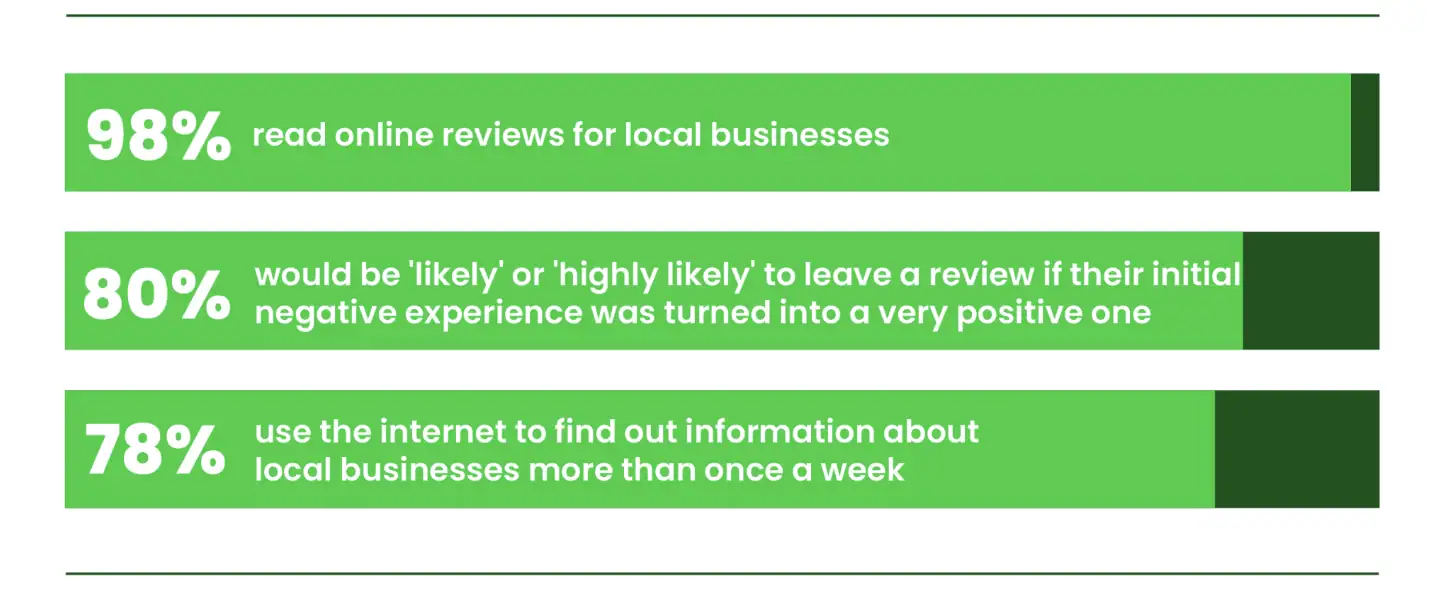
Customer feedback is more visible than ever: 74% of consumers have left an online review for a business in the past year, and 98% read online reviews for local businesses. This places customer opinion at the center of brand reputation and buying decisions.
Rising customer expectations mean that feedback can no longer sit in disconnected systems or be reviewed only on occasion. Effective customer feedback management depends on clear methods for gathering input, studying patterns, making changes, and checking results over time.
At its core, monitoring feedback means creating a closed feedback loop. This loop allows companies to view their service through the customer’s perspective and use real input to refine, adjust, or redirect the business offering.

Examples of Customer Feedback
Being aware of where to find your customer feedback will help ensure you have the clearest picture of your customer journey possible.
Your customers can leave direct feedback in many different places and many different mediums, including:
- Social media – Customers post feedback (opinions, complaints, recommendations) on all social platforms. These conversations shape public perception and give businesses direct visibility into customer sentiment. You can manage feedback from these platforms while also interacting directly with your customers and future customers.
- Reviews – Review sites help potential clients make better choices and encourage companies to up their game. This feedback is public, and new customers use it in their decision-making process, so prioritize feedback; it’s vital for your public perception.
- Customer surveys – Surveys create a direct line to customer opinions at key moments in the journey. By asking the right questions in a well-crafted customer survey, businesses can gather qualitative feedback and detailed insight into satisfaction, pain points, and expectations.
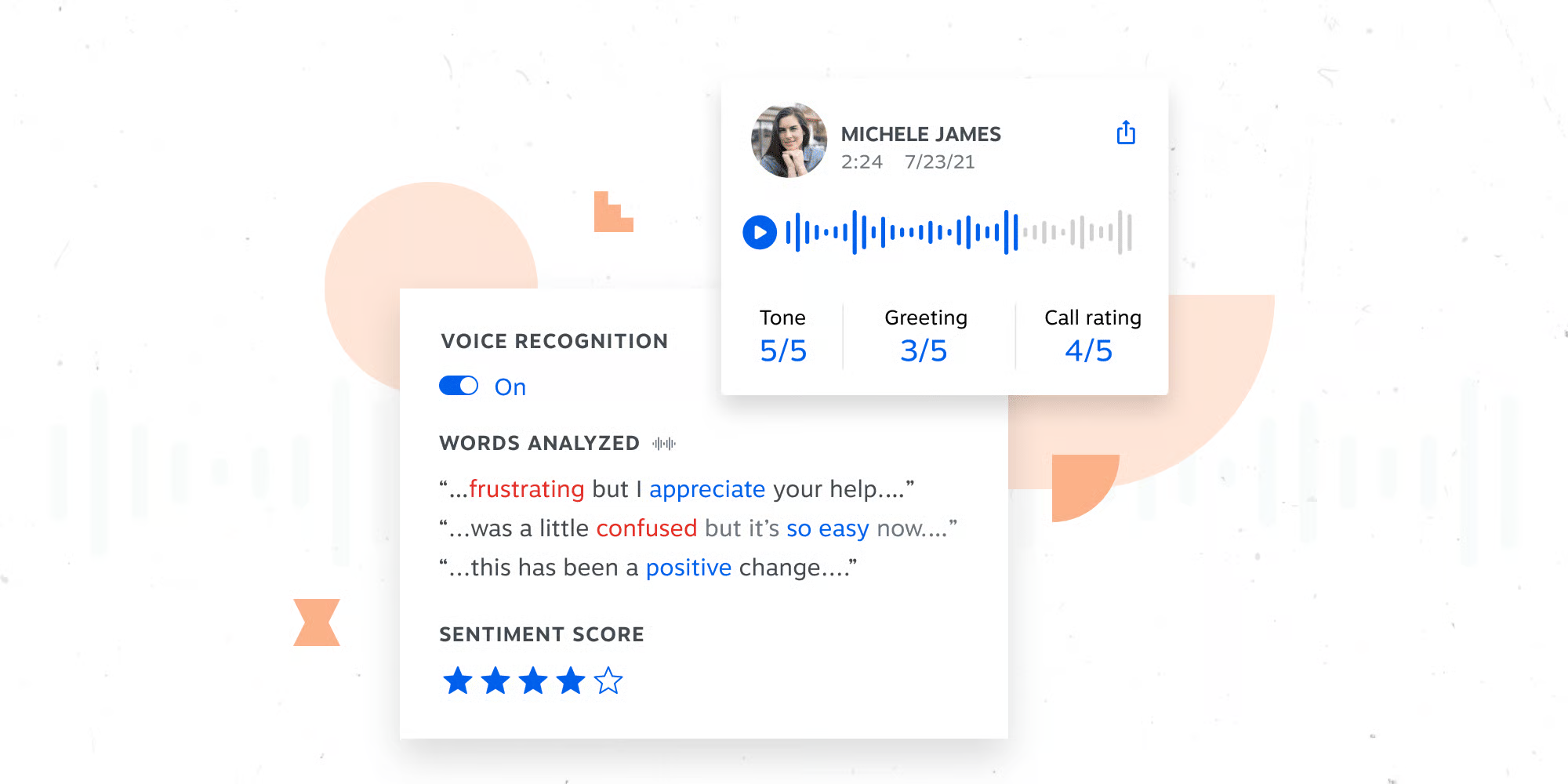
- Call recordings – Recorded support calls capture unfiltered customer reactions and show how service teams handle real situations. Studies show that 89% of consumers are more likely to make another purchase after a positive customer support experience, which makes these conversations a direct source of customer service feedback.
Benefits of customer comments
Studies show that 72% of customers view brands more favorably when they ask for input and respond to it. The simple act of listening improves your standing in their eyes. It will boost customer loyalty, and if you take feedback onboard appropriately, you’ll improve your product or service functionality as well..
When managed with consistency, customer comments lead to clear business gains, including:
- Generates in-depth customer reviews: Customer comments give a direct look into real experiences and satisfaction levels with your product or service. Public reviews act as social proof to influence new buyers by showing how the business performs in everyday situations.
- Improves your product or service: Feedback points out gaps, usage problems, and unmet needs, creating a feedback loop that helps you better meet customer needs customer expectations.
- Supports revenue growth through add-on sales: Customers who share positive experiences show greater interest in added services, upgrades, or related products.
- Helps retain customers at risk of leaving – Responding to negative feedback gives businesses a chance to correct issues before it’s too late, protecting long-term customer relationships and brand perception.
The 4 Pillars of the CFM Lifecycle
The customer feedback management lifecycle rests on four connected pillars. Each one guides how feedback is gathered, understood, acted on, and reviewed over time. When all four work together, feedback moves from raw input to visible improvement.
1. Collection: Gather feedback from various sources
Collection is the stage where customer input is gathered from every planned point of contact. This includes any place where a customer shares an opinion, concern, or suggestion.
How to carry it out: Start by listing every channel where customers already communicate with your business: support calls, emails, surveys, review sites, and social platforms.

Create a clear method for pulling that input into one place on a regular basis. For example, you can create a shared intake file (such as a centralized spreadsheet or internal form). Support staff, sales, and account managers enter brief notes from calls, emails, and reviews into the same document after each customer interaction. A designated owner reviews new entries on a set schedule, such as daily or weekly, to keep all feedback in one visible location.
Make feedback requests part of everyday customer touchpoints, such as after support interactions, purchases, or renewals, so responses reflect real experiences while they are still fresh.
2. Analysis: Interpret and categorize the feedback
Analysis is the process of reading, sorting, and understanding feedback to find shared themes, repeated issues, and patterns in customer experience.
How to carry it out: Review incoming comments on a set schedule and tag them by topic, product area, or type of customer issue. Look for repeated concerns, common praise points, and shifts in customer mood over time. Pair written comments with basic data such as volume, frequency, and customer segment so teams can see which issues affect the largest groups.
You can use a simple spreadsheet for this task, a help desk or ticket tracking system, or a tool like Nextiva which unifies customer interactions across voice, video, email, chat, social media, etc. in a single dashboard — meaning you can see all sources of feedback in one place.

3. Action: Prioritize and implement changes based on insights
Action is the step where feedback leads to visible change. This is where teams decide what to fix, improve, or adjust based on what customers have shared.
How to carry it out: Rank feedback by urgency, customer impact, and effort required. Assign clear ownership for each change so nothing stalls between teams. Set short timelines for small fixes and longer review cycles for larger product or service changes. Keep records of what actions were taken so progress can be reviewed later.
4. Monitoring and closure: Track results and close the loop with customers
Monitoring and closure is the stage in which results are reviewed and customers are informed about what changed as a consequence of their input.
How to carry it out: Check whether the actions taken reduced every customer complaint, improved satisfaction, or changed customer behavior. Compare feedback before and after changes to see if the issue still appears. Close the loop by letting customers know that their input led to a change. This follow-up strengthens trust and encourages future feedback.
Customer Feedback Management Process
The customer feedback management process shows what happens, in order, after feedback enters your business. It follows a single piece of customer input from first receipt through final follow-up and review, such as:
- Feedback is received. A customer shares input through planned feedback channels such as a call, survey, review, message, or email. The feedback enters your shared intake space.
- Feedback is reviewed for clarity. A team member checks the entry to confirm it is complete, readable, and assigned to the correct topic area. Duplicate entries are removed at this stage.
- Feedback is sorted by theme. The comment is grouped with similar entries so repeated issues and shared requests begin to stand out.
- A response path is chosen. The team decides whether the feedback requires a direct customer reply, an internal change, or both. Ownership is assigned so the next step does not stall.
- A change or response is carried out. The agreed update is made to a service step, support method, product area, or internal rule. The action taken is recorded.
- The customer is informed. If the feedback led to a visible change, the customer is contacted and told what was done with their input.
- Later feedback is checked for results. New feedback is reviewed to see whether the same issue continues to appear or begins to decline. This confirms whether the change helped.
This sequence then repeats with the next round of customer input, creating a continuous feedback cycle.
![How To Get More Customer Reviews [9 New Strategies & Ideas]](https://www.nextiva.com/cdn-cgi/image/width=1920,height=1080,fit=cover,gravity=auto,format=auto/blog/wp-content/uploads/sites/10/2023/09/How-to-Get-Reviews-for-Your-Business-scaled.jpeg?resize=768,432)
Building a Scalable Customer Feedback Loop
A customer feedback loop describes how feedback continues to move through a business as volume increases over time. The focus of this loop is not the order of steps, but whether the business can keep up with rising levels of customer input without losing visibility or control.
At a small size, feedback is often tracked by hand. A team might read reviews on public sites, scan social posts, and enter comments into a shared file. At this stage, each entry can still receive direct attention. The risk of missed feedback stays low because the total volume remains manageable.
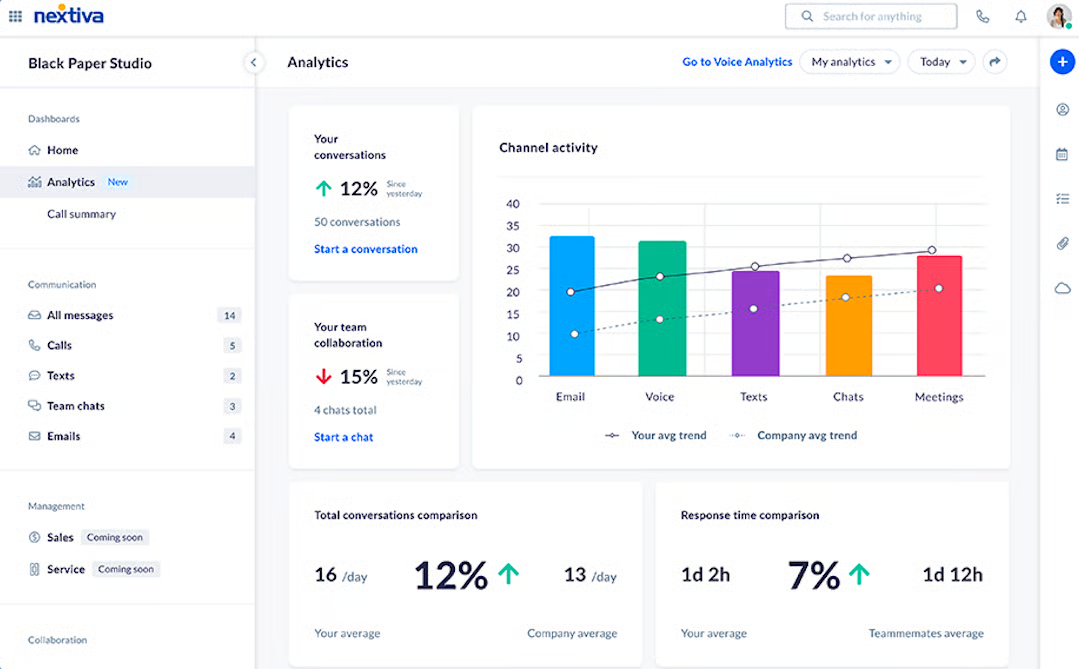
As customer activity grows, this manual approach becomes harder to sustain. More messages arrive across more channels, and staff time becomes strained. Without a shared system, feedback can sit unread, repeat issues can go unnoticed, and responses can slow down. At this point, the feedback loop begins to weaken—not because the process changed, but because the load increased.
To keep the loop intact at higher volumes, businesses rely on shared tracking systems—like Nextiva, a unified customer experience management platform, which allows feedback from daily customer conversations to be accessible to multiple teams at once—that allow all feedback to stay visible in one place.
These systems support:
- Ongoing intake from many channels
- Shared access across teams
- Consistent review schedules
- Clear records of responses and changes
A strong loop allows feedback to continue flowing even as customer activity increases. It reduces the chance of missed issues, shortens response delays, and helps teams maintain awareness of customer experience trends over longer periods of time.
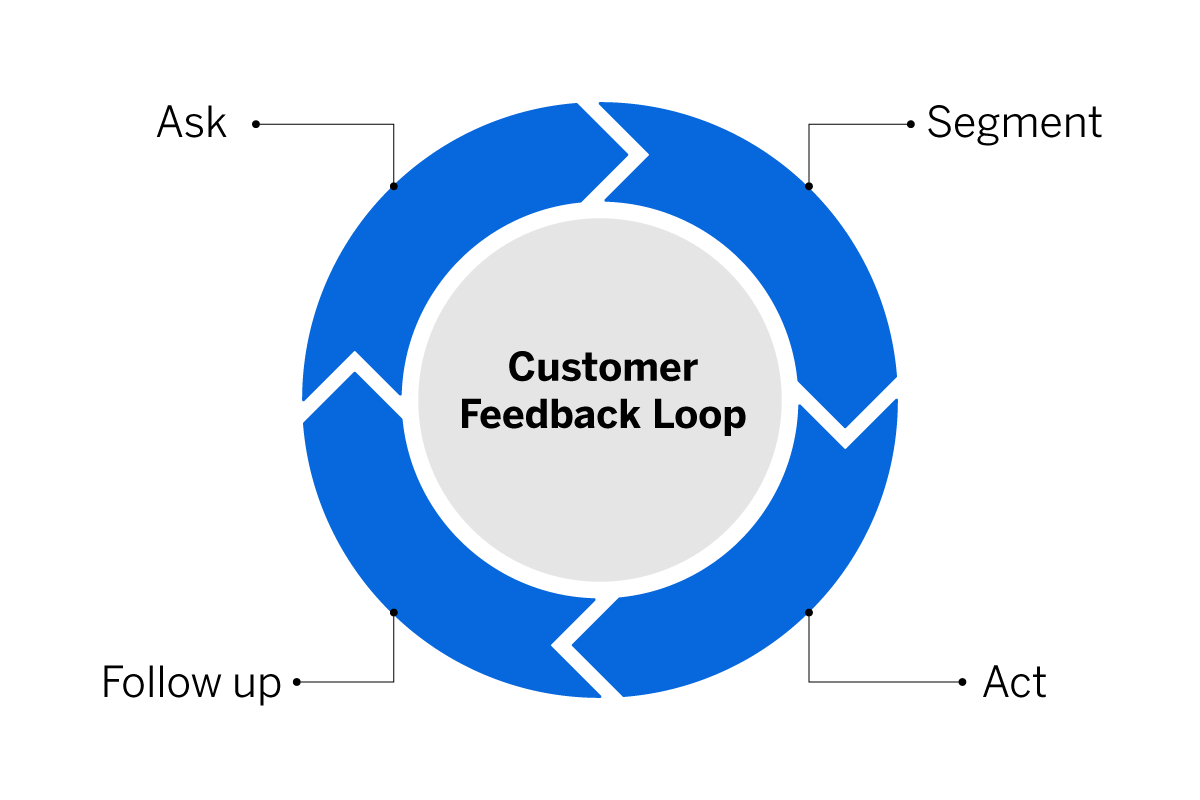
A quick sum-up so far:
- The Four Pillars = what always exists (the framework)
- The CFM Process = what happens in sequence to one piece of feedback
- The Scalable Feedback Loop = what happens when volume increases
Customer Feedback Best Practices
Strong customer feedback management depends on both how feedback is managed inside the business and how teams respond to customers in real moments.
The practices below cover both sides: system-wide habits that keep feedback organized and visible, and response-level behaviors that protect trust during direct interactions.
Customer feedback handling best practices (system-wide)
These practices keep feedback organized and visible.
Establish clear ownership and accountability
Every piece of feedback should have a clear internal owner. This means deciding in advance which team or role is responsible for:
- Reading new feedback
- Deciding next steps
- Following through on changes
- Responding to the customer when needed
Without defined ownership, feedback often stalls between teams. When responsibility is clear, issues move forward instead of being passed along or forgotten.
Centralize feedback from all channels
Customer input arrives through many paths—calls, surveys, reviews, messages, and emails. Best practice is to bring all of that input into one shared location where teams can access the same information.
When feedback stays spread across personal inboxes or separate tools, patterns are harder to see and repeat issues take longer to surface. A shared intake space keeps visibility consistent and prevents input from being overlooked.
Close the loop with customers consistently
Closing the loop means letting customers know what happened after they shared feedback. This may involve:
- Confirming the issue was reviewed
- Explaining what change was made
- Thanking the customer for raising the concern
Even when a request cannot be fulfilled, a clear reply builds trust. Customers are far more likely to continue sharing honest input when they see that their voice leads to a visible response.
Align feedback with product and CX teams
Feedback only creates change when it reaches the teams that shape the overall customer experience. Support, product, service, and operations teams should all have access to the same feedback records.
On a regular schedule, shared reviews of customer input help teams:
- Spot repeated service issues
- Identify product gaps
- Track patterns tied to churn or loyalty
This prevents support feedback from staying trapped inside the service team alone.

Customer Feedback Handling Best Practices (Response-Level)
These practices apply when a customer is directly sharing praise, concerns, or complaints.
Stay calm
It’s natural to feel defensive when you receive negative feedback, but it’s important to remain calm and composed. Take a moment to process the feedback before responding.

Be objective
Try to read feedback from the customer’s point of view. Even when details feel incomplete or unfair, the concern still reflects the customer’s experience. An objective reply shows that the issue was heard rather than dismissed.
Be solution-focused
Instead of dwelling on the problem, focus on finding a solution. That may involve correcting a mistake, offering clarification, or setting expectations for follow-up calls. This shows the customer that you’re committed to resolving their issue.
Follow up and document
After addressing the customer’s concerns, check back with them to confirm whether the outcome met their expectations. Documenting the feedback and your response can help you improve your products or services in the future.
Don’t debate in online reviews
It’s crucial to maintain professionalism when responding to online reviews. Avoid getting into debates with customers and, instead, focus on addressing their concerns in a respectful manner. When needed, invite the customer to continue the conversation in a private channel.
Report inappropriate or fake reviews to providers
When a customer review violates platform rules or appears false, report it through the review site’s formal process. This protects the accuracy of your public presence while keeping responses professional and measured.
How AI Can Help Companies with CFM
Artificial intelligence can support customer feedback management by reducing manual review work, organizing large volumes of input, and helping teams spot patterns that would be difficult to detect by hand. Its role is not to replace human judgment, but to assist with scale, speed, and consistency as feedback volume grows.
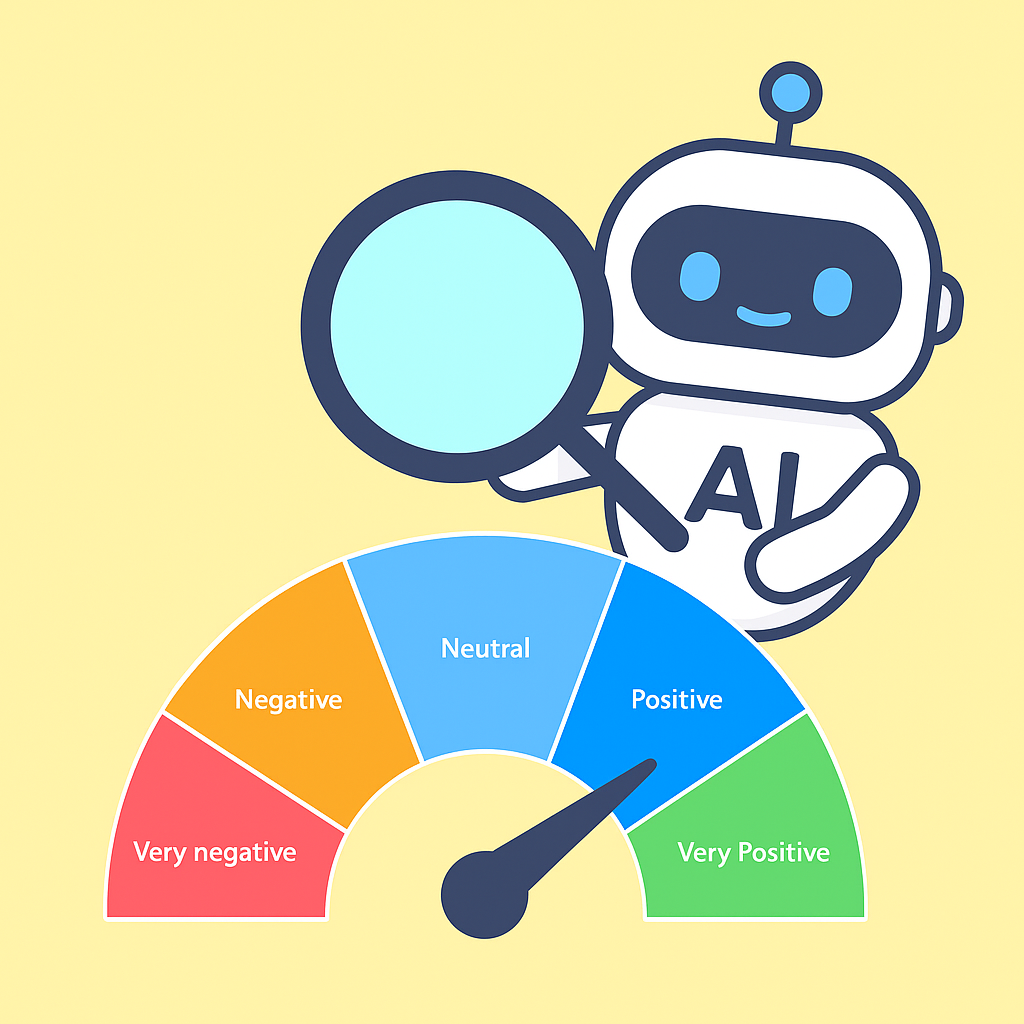
Here are the main ways AI supports customer feedback work.
Sorting large volumes of written feedback
When thousands of comments arrive through reviews, surveys, chats, and messages, reading each one line by line becomes difficult. AI systems can scan written feedback and place entries into topic groups such as service, billing, product use, or delivery.

This allows teams to focus their review on grouped themes rather than isolated remarks.
Identifying repeated issues and rising concerns
AI can compare new feedback with earlier records to surface:
- Topics that appear often
- Issues that begin to rise in frequency
- Shifts in customer tone over time
This helps teams notice developing problems sooner and track whether earlier changes reduced the number of similar complaints.
Review support for calls and messages
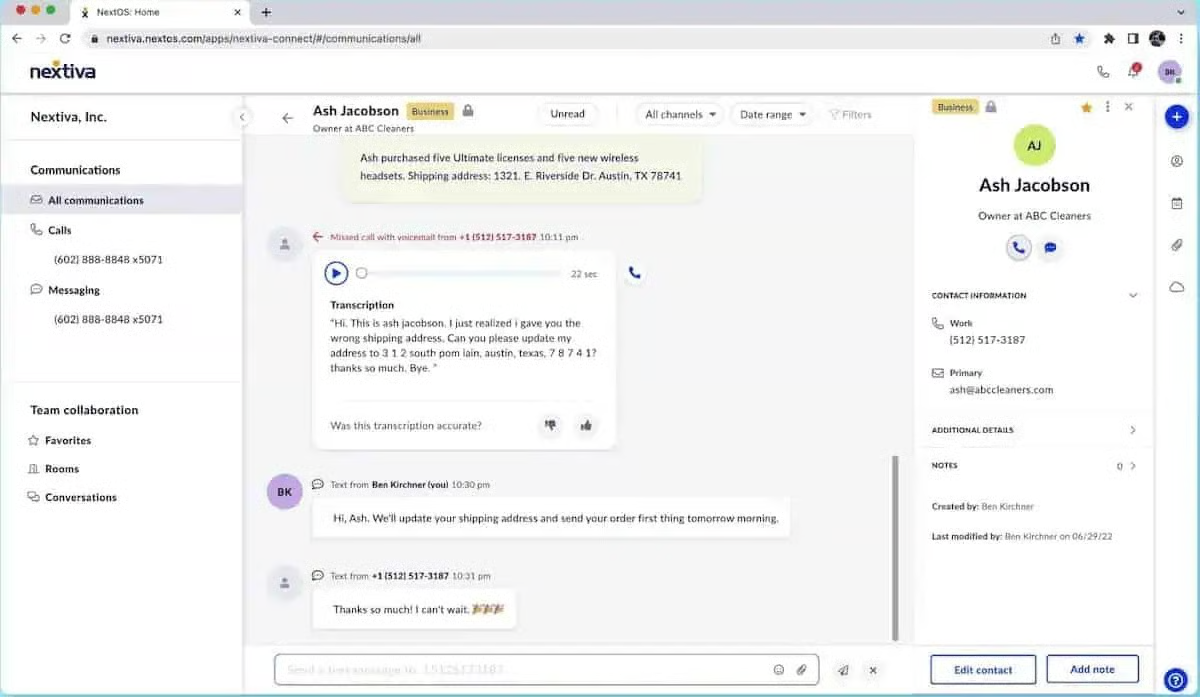
Call transcripts and written conversations can be reviewed with AI to flag:
- Repeated phrases tied to common issues
- Sentences linked to dissatisfaction or praise
- Gaps in how questions are answered
This supports quality review without requiring managers to listen to every full call or read every message.
Support for faster customer replies
AI tools can assist teams by drafting reply language based on past responses and common questions. Staff still review and approve each message before it is sent. This can shorten reply time while keeping tone consistent.
Long-term feedback review
Over time, AI can help compare feedback across weeks or months to show whether certain topics fade, remain steady, or grow. This supports longer-term review of how customer experience changes after updates to service, policy, or product areas.
Tools to Capture & Manage Customer Feedback
These four tools make it easy for your customer success team to track feedback, respond to issues, and follow outcomes in one place.
1. Nextiva
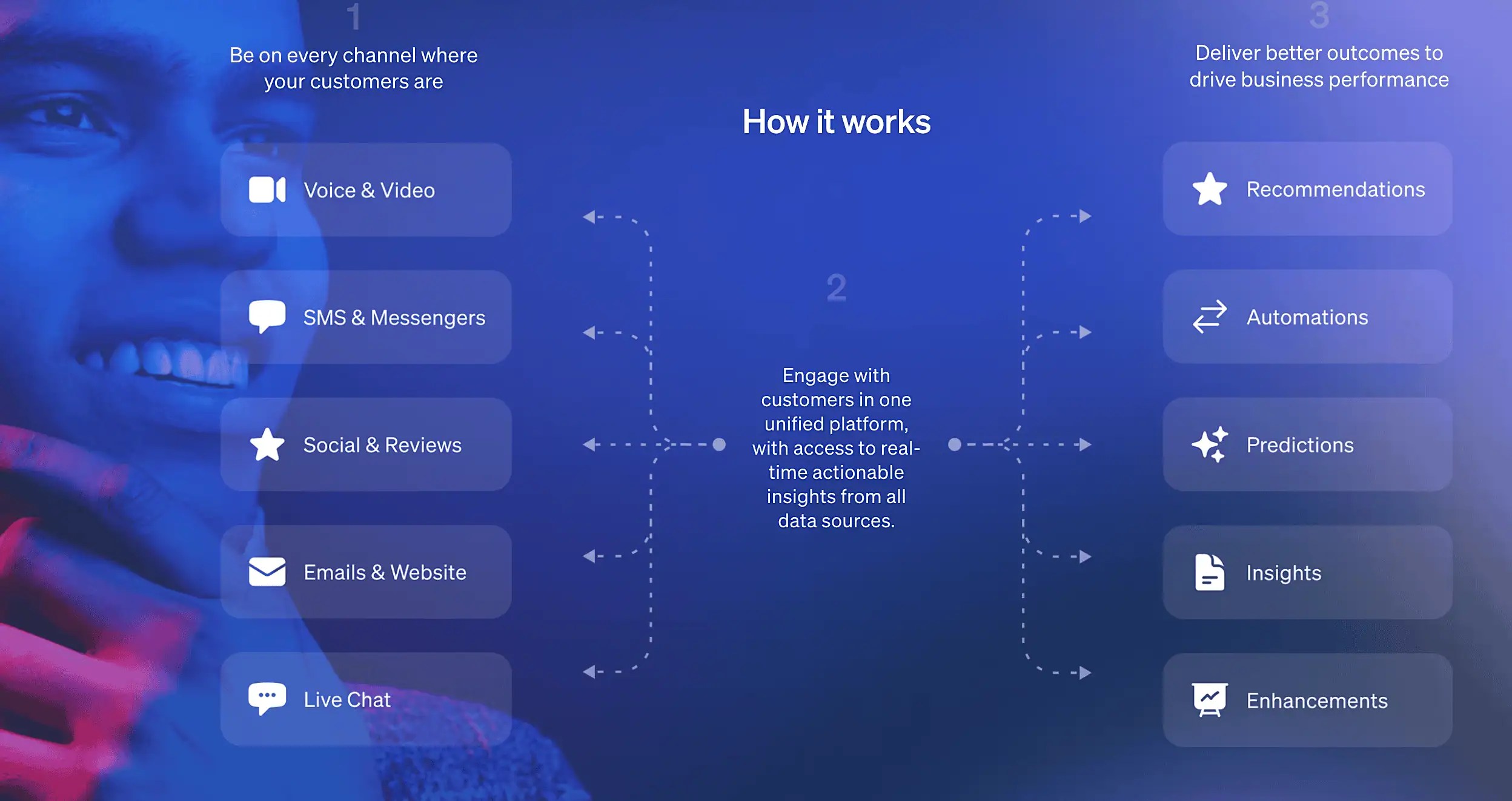
Nextiva AI reputation management platform provides a shared workspace for viewing customer calls, messages, and public reviews in one place. Teams can read conversation history tied to each customer across voice, chat, and messaging channels without switching between platforms.
Public reviews from 50+ sites such as Google and Facebook appear alongside direct customer conversations. Staff can reply to reviews, store internal notes, and record follow-up steps inside the same system. This allows teams to track how each case is handled and review past exchanges when a customer contacts the business again.
By keeping review activity and direct communication together, Nextiva supports ongoing visibility into customer concerns and repeat issues across support, service, and management teams.
2. Chameleon.io
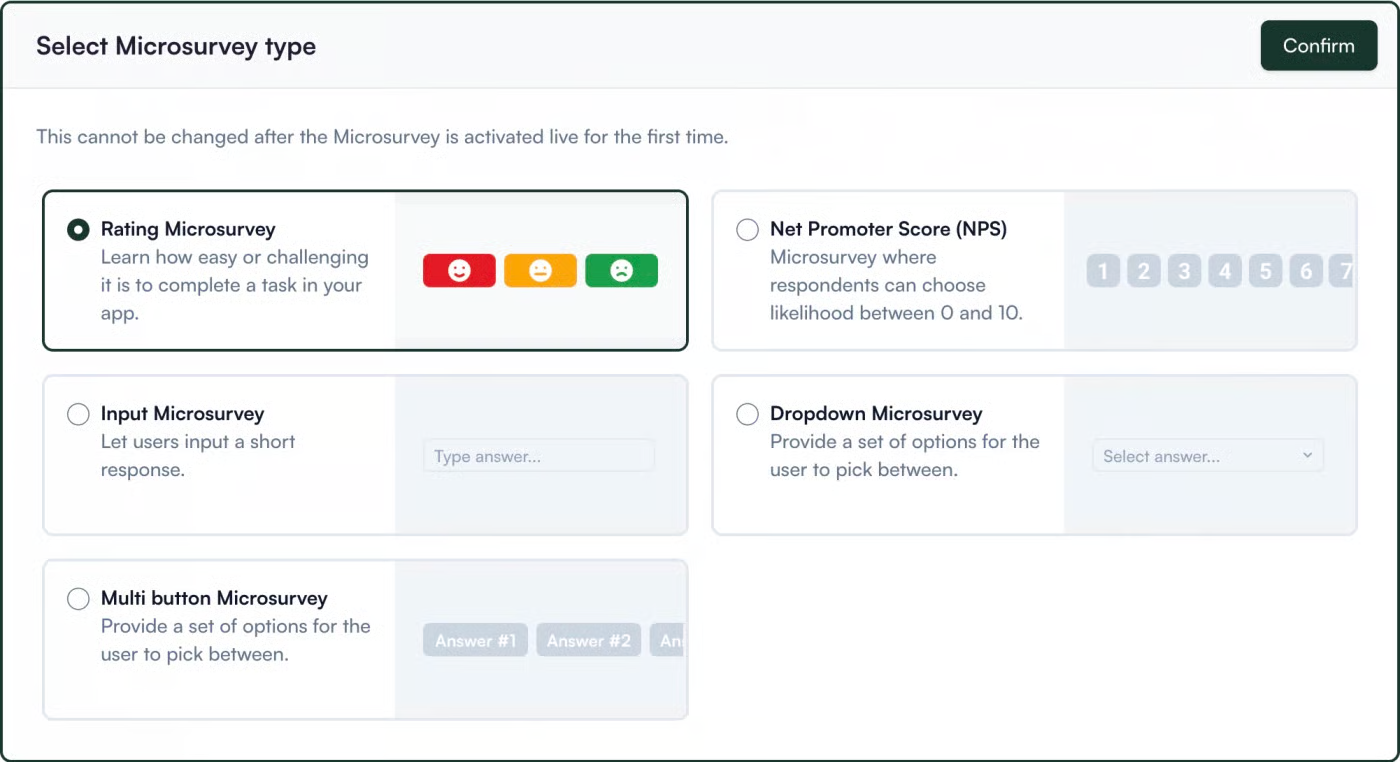
Chameleon is a feedback management tool where you can create customer satisfaction surveys that drive in-product engagement while also integrating with your tech stack to gather contextual feedback with in-app surveys.
Responses can be reviewed by page, feature, or user behavior, which helps teams study how customers react during different parts of the product experience. This type of in-app feedback is often used to understand usage friction, onboarding clarity, and feature adoption.
3. Appcues
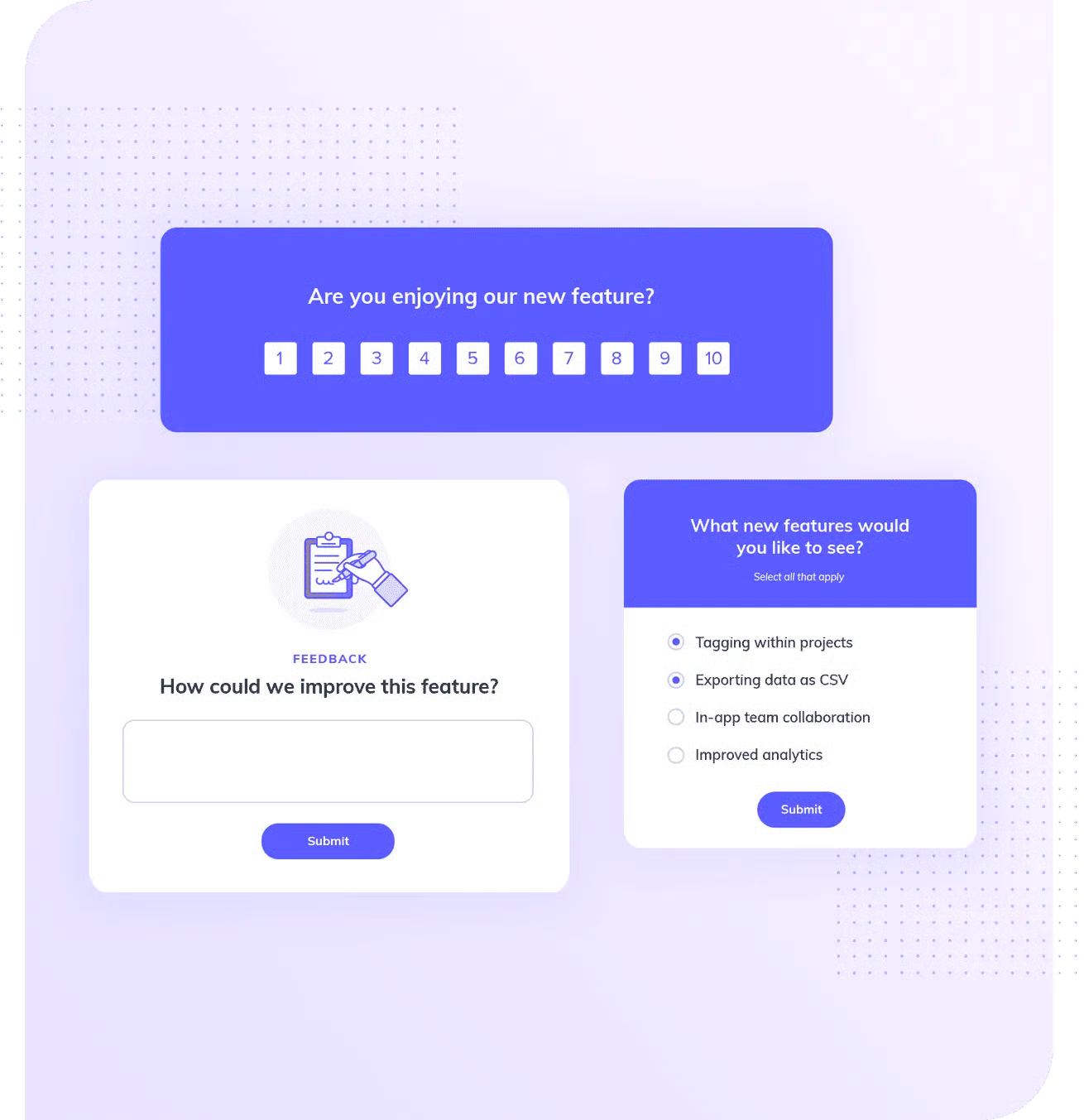
Appcues collects user feedback within software products through in-app surveys, usage checklists, and short NPS prompts shown during key steps of the user journey. These prompts allow teams to gather input while customers are completing tasks.
Customer feedback responses are stored by user group and feature area, which helps teams see where users hesitate, abandon steps, or report confusion. This form of product feedback collection is commonly used to examine onboarding quality, feature clarity, and early product experience.
4. Birdeye
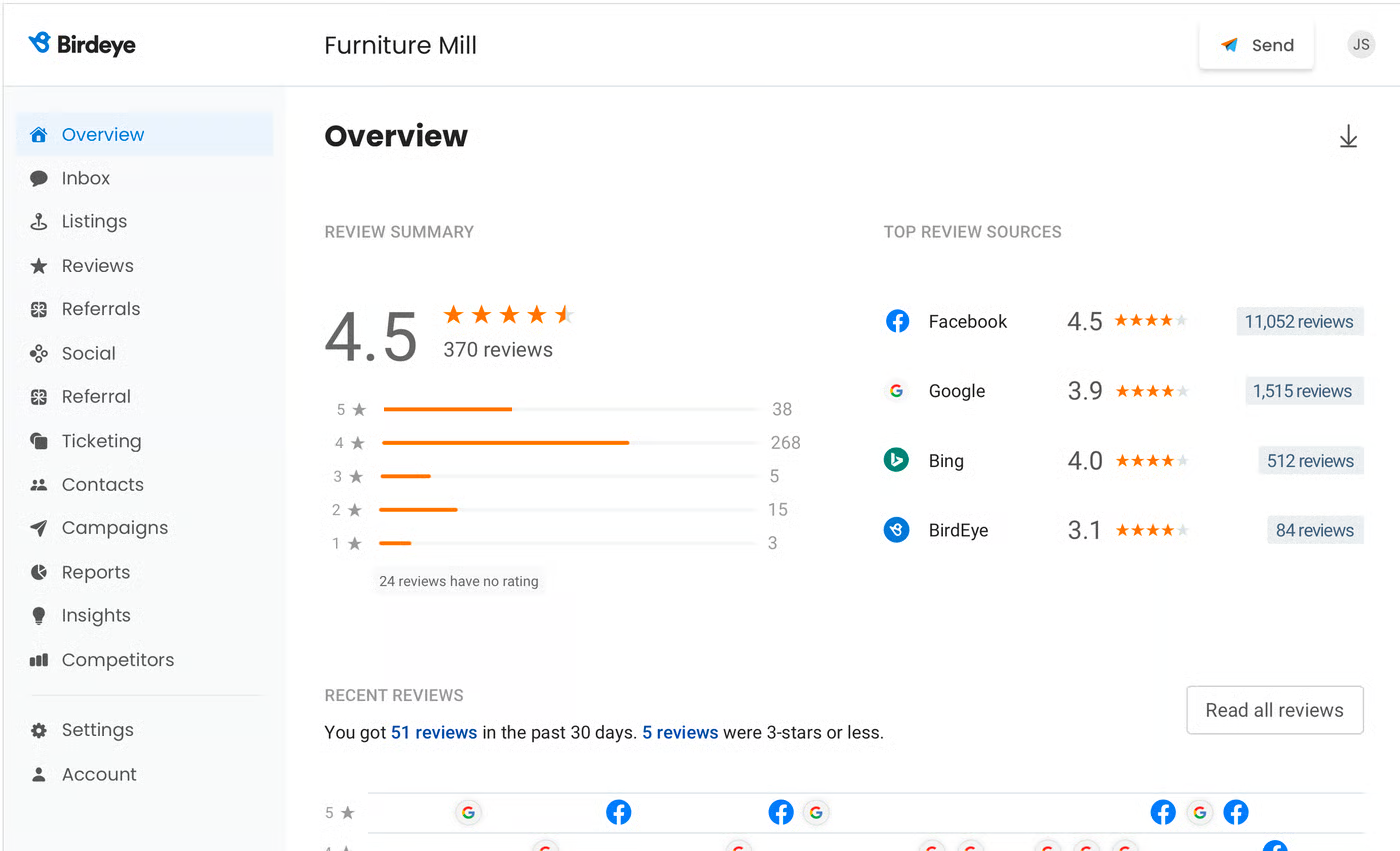
Specializing in small, local businesses, Birdeye gathers public customer reviews from many listing and review sites into a single review feed. This allows teams to read and reply to customer comments without signing in to each review site one at a time.
Review history can be tracked across business locations, which supports multi-site reputation management. Birdeye also provides tools for requesting reviews after customer visits, helping businesses grow their volume of public feedback in a controlled way.
How Nextiva Improves Customer Feedback Management
Most companies collect customer feedback, but only a fraction actually act on it effectively. The gap isn’t in gathering opinions; it’s in turning each customer insight into real-time improvements that enhance the customer experience.
Nextiva bridges this gap by combining feedback collection, analysis, and action into a unified platform:
- Omnichannel Feedback Collection. Nextiva eliminates the complexity of stitching together multiple feedback tools by enabling collection across every channel — voice, SMS, email, and chat — without third-party integrations.
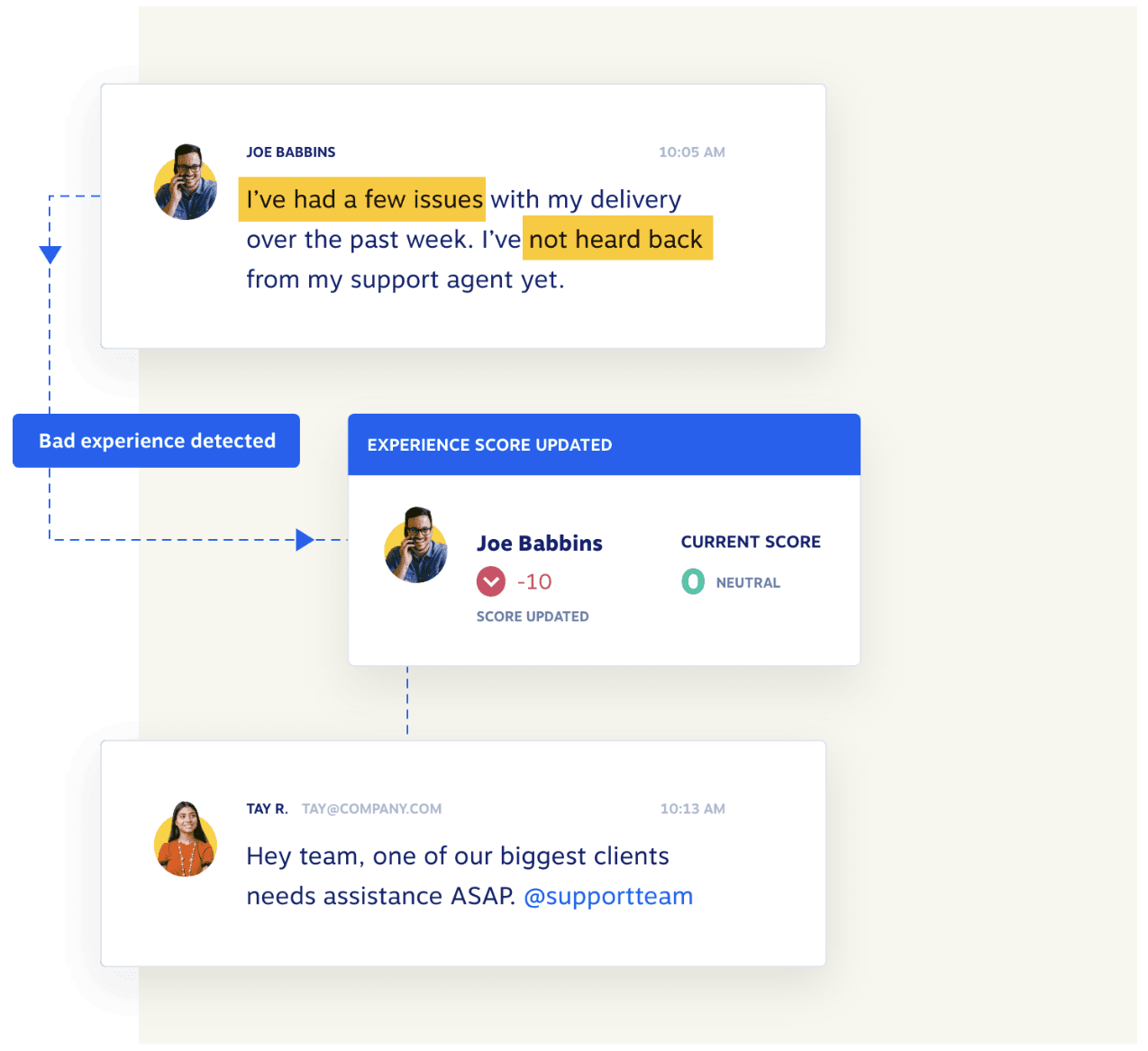
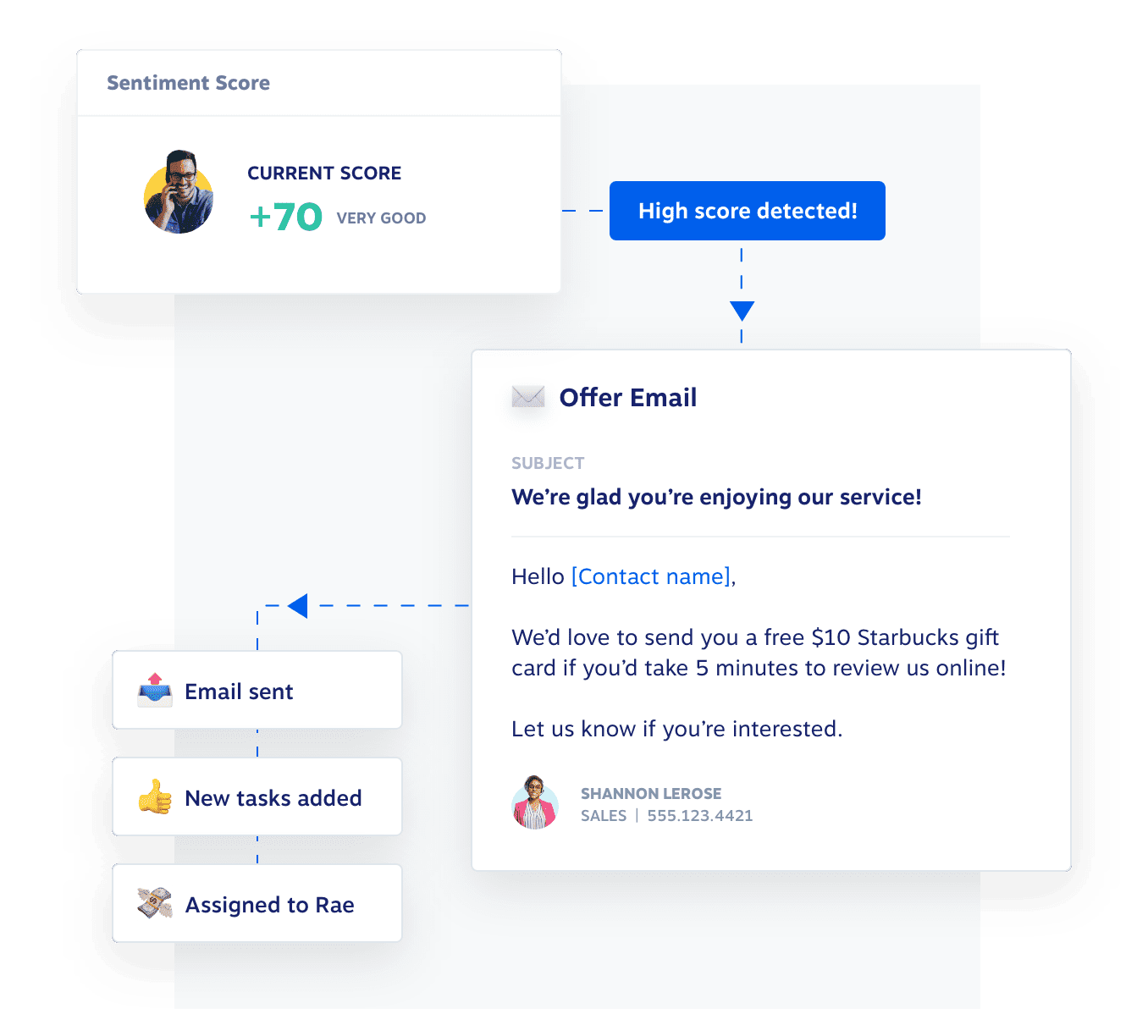
- Sentiment Review from Conversations. Nextiva reviews tone and wording during customer calls and written conversations to help teams understand whether an exchange reflects satisfaction, concern, or frustration. This real-time sentiment analysis enables proactive service recovery before issues escalate.
- Surveys Linked to Customer Interaction. Nextiva surveys aren’t isolated feedback collection tools; they’re embedded directly into your customer engagement workflows. After a call, email interaction, or SMS exchange, relevant surveys deploy automatically, capturing insights and triggering immediate actions.
- Shared Feedback Review Workspace. Customer comments from reviews, surveys, calls, messages, and feedback form appear within the same reporting view. This allows teams to view Experience Scores, identify issue trends, and track sentiment patterns at a glance.
- Feedback-Based Follow-Up and Case Handling. The most powerful aspect of Nextiva’s approach is how feedback automatically triggers business processes. When customer satisfaction scores drop below thresholds or customer comments show unresolved concerns, teams can assign follow-up work to staff inside the same system used for customer communication.
Close the Customer Feedback Loop with Nextiva
Customer feedback is only valuable when it moves beyond collection and leads to visible follow-up. A complete customer feedback management program brings structure to how input is gathered, reviewed, addressed, and checked over time. When this cycle stays consistent, businesses gain a clearer view of how customers experience their service and where attention is needed most.
And tools that keep calls, messages, reviews, and survey replies together make sure that customer input does not fade after the first response.
Key Takeaways:
- Customer feedback management works best when it follows a clear structure from intake through follow-up
- The Four Pillars define what must exist; the CFM process explains what happens in order
- Best practices guide both internal handling and direct customer replies
- A strong feedback loop depends on how well a business handles rising feedback volume
- Shared tracking systems help teams keep feedback visible across channels
- Consistent follow-up builds trust and encourages continued customer input
Ready to transform how your team manages customer feedback? Request a demo to see how Nextiva can help you close the feedback loop and deliver exceptional customer experiences that drive loyalty and growth.
Build Amazing Customer Experiences
Transform customer experience on a Unified Customer Experience Management platform designed to help you acquire, retain, and grow your customers.
The post What Is Customer Feedback Management (CFM)? A Strategic Guide to Collection, Analysis & Action appeared first on Nextiva Blog.