
Consumers Prefer Local After Shocks: Why Global Brand Trust Is Declining
 C3Centricity
·
·
88 views
C3Centricity
·
·
88 views
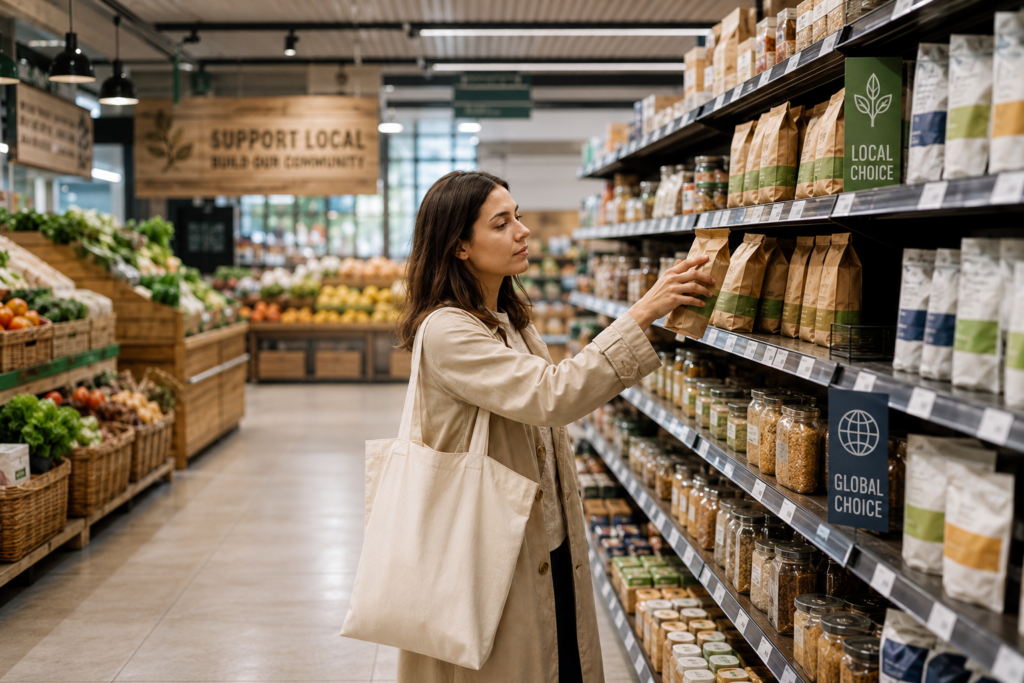
Remember the Buy Local Trend? It’s back! Supply chain shocks amplify it, and global brands must earn local trust again. Executive summary Consumers prefer local when uncertainty rises, because familiar choices feel safer and more accountable. Reuters analysis published May 18, 2026 estimates the current U.S.-Israeli war with Iran has already cost global companies at least $25 billion, with disruption linked to trade routes, energy prices, and input costs. A second-order effect shows up quietly, then suddenly. Consumers tighten their trust circle and lean toward what feels closer, more accountable, and less risky. Edelman’s 2026 Trust Barometer frames this as a “trust amid insularity†dynamic, and one of its top findings is striking: 34% of the general population would accept higher prices and fewer choices to limit foreign companies operating in their country. That mindset shift has consequences for global brands. McKinsey’s State of the Consumer report notes that 42% of European survey respondents said they had a worse or somewhat worse perception of American brands in May 2025 compared with the beginning of the year. The specific example is American brands, but the mechanism is broader: country cues can quickly leak into brand sentiment. This post explains why the country of origin effect and buy local trend strengthen after shocks, what it means for global brand trust in the US, UK, and beyond, and what mid-level CPG managers can do now to keep momentum without pretending their brand is something it isn’t. Prefer to Listen: LISTEN TO PODCAST Supply chain shocks: why boardrooms fear knock-on effects Reuters describes the Iran conflict’s corporate cost as more than a headline, highlighting disruptions tied to shipping routes, oil prices, petrochemicals and other inputs, with at least $25 billion in impact across companies so far. That is the measurable side. The lived side inside CPG is the chain reaction that follows. Cost pressure triggers pricing discussions. Pricing discussions trigger retailer conversations. Retailer conversations trigger promotion debates and supply prioritisation. Those debates often slow decisions because nobody wants to be the person who “overreacted†and got it wrong. Shoppers do not see those internal negotiations. They experience the output as shelf gaps, substitutions, smaller packs, inconsistent availability, and price movement. That experience changes what “trust†feels like in the aisle. Trust becomes less about brand love and more about confidence that you will get what you expect. A practical question belongs early in every category meeting during volatility: what does “safe†mean to the shopper right now. Plenty of teams assume “safe†means cheaper. Many shoppers interpret “safe†as predictable, familiar, and unlikely to disappoint. That difference is where margin and loyalty quietly move. CPG resilience becomes commercially meaningful when consumers can feel it as stability, not just read it in a corporate report. Consumers prefer local when risk rises YouGov’s cross-market polling from 2023 found that consumers vary by country, yet the preference for domestic purchase shows up strongly in several markets, with 54% in Great Britain saying they’re more likely to … Click to continue reading The post Consumers Prefer Local After Shocks: Why Global Brand Trust Is Declining first appeared on c3centricity.

 Convenient Solutions Blog
 The Thoughts and Opinions of Lady Bookamore
  Baron von Brunk's
  Inc. Magazine
 SlashGear
  Sportstar