
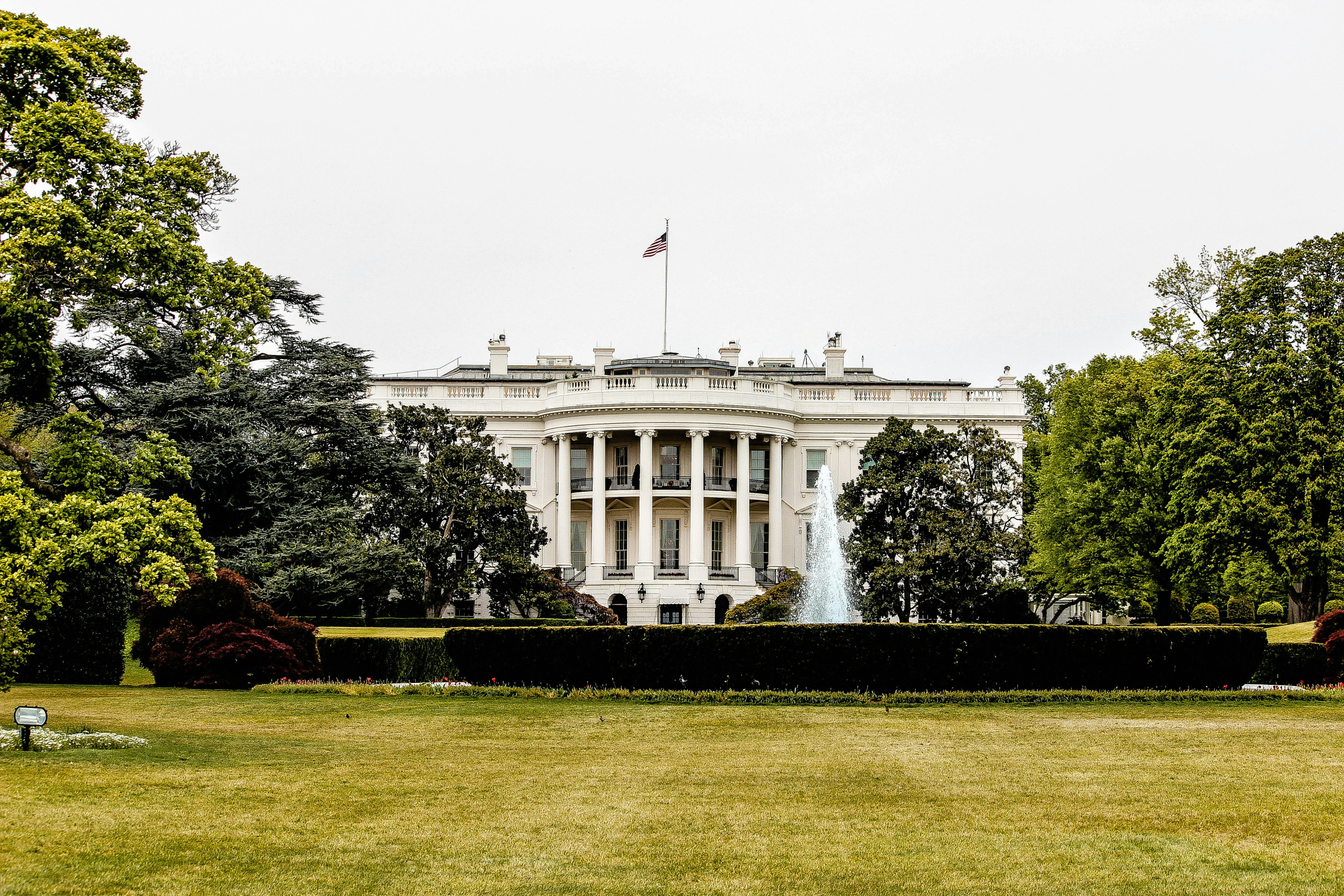
President Donald Trump suffered yet another major setback in his push to build the new White House ballroom after the Senate parliamentarian ruled that funding for the project cannot be included in the upcoming budget reconciliation bill. The decision blocked Republicans from using the fast-track reconciliation process to approve the proposal with a simple Senate...
President Donald Trump suffered yet another major setback in his push to build the new White House ballroom after the Senate parliamentarian ruled that funding for the project cannot be included in the upcoming budget reconciliation bill. The decision blocked Republicans from using the fast-track reconciliation process to approve the proposal with a simple Senate majority, pushing one of Trump’s most coveted infrastructure efforts toward uncertainty. Notably, critics have condemned the ballroom project as an expensive political vanity plan funded by taxpayers.
Senate parliamentarian places roadblock on reconciliation bill strategy
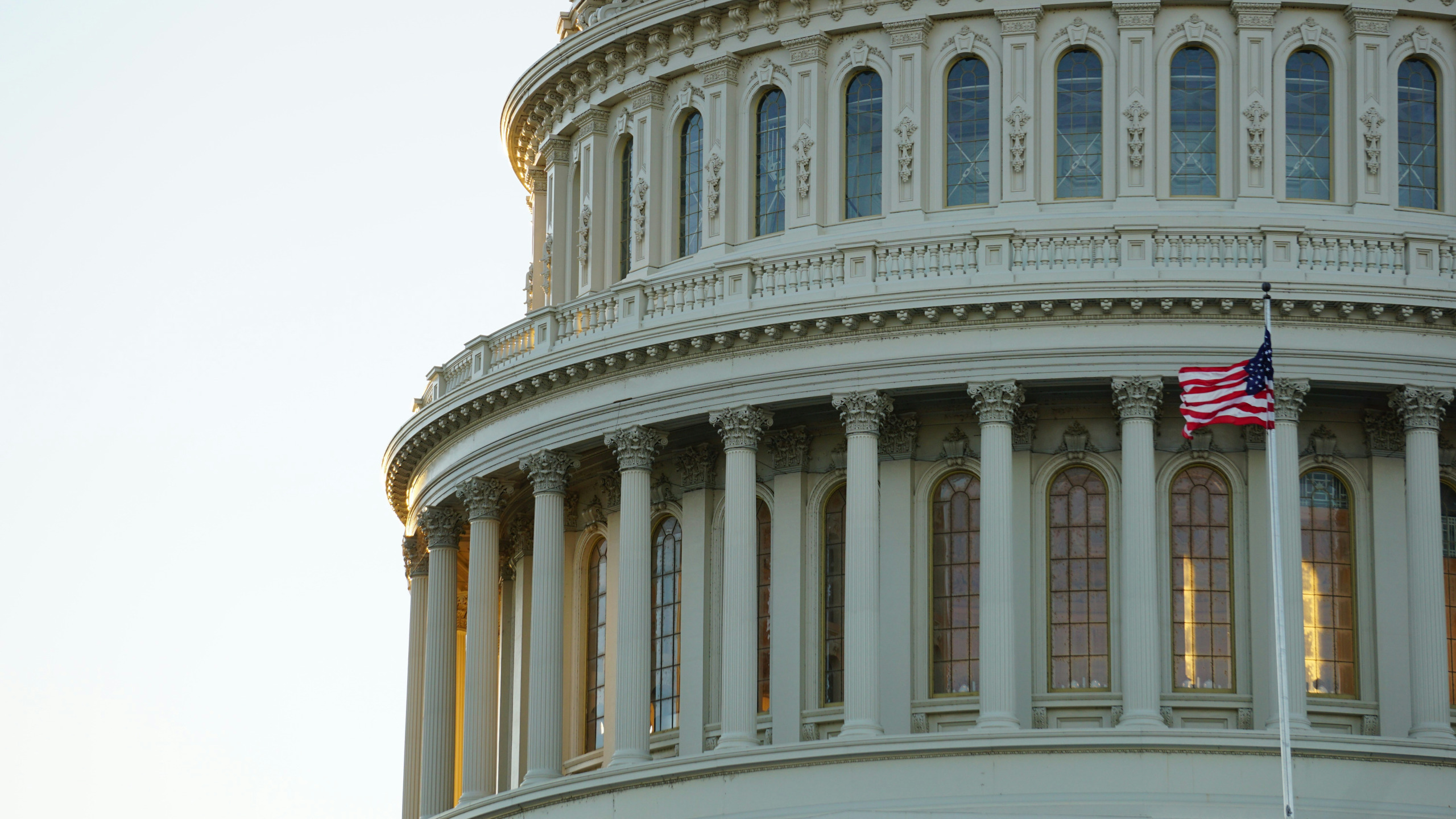
Late Saturday, May 16, the nonpartisan Senate Parliamentarian Elizabeth MacDonough determined that the White House ballroom proposal violates the Byrd Rule, which limits what can be included in budget reconciliation legislation. Under Senate rules, reconciliation measures must have a direct budgetary purpose rather than broader policy objectives. MacDonough concluded that the ballroom project failed to meet that standard because of the number of federal agencies and committees involved in the undertaking.
According to Sen. Jeff Merkley, a ranking member of the Senate Budget Committee, the parliamentarian found that “a project as complex and large in scale as Trump’s proposed ballroom necessarily involves the coordination of many government agencies which span the jurisdiction of many Senate committees.” Merkley’s office later emphasized that the ruling was procedural rather than ideological, stating, “The parliamentarian’s advice is based on whether a provision is appropriate for reconciliation and conforms to the limitations of the Byrd Rule; it is not a judgment on the relative merits of a particular policy.”
Republicans lose fast-track advantage in ballroom project

The ruling significantly complicated Republican efforts to move forward the White House ballroom project. Congressional Republicans had inserted the ballroom funding into a broader reconciliation package tied to federal immigration enforcement through the Senate Judiciary and Homeland Security committees. Had the measure survived parliamentary review, Republicans could have bypassed a Democratic obstruction and approved it with a simple majority vote. Instead, the Trump administration must now pursue standalone legislation or attempt to attach the funding for the project to a larger appropriations package, such as the National Defense Authorization Act or a future omnibus spending bill.
Any standalone measure would require 60 votes in the Senate, a threshold considered difficult in the current polarized political climate. However, Senate Majority Leader John Thune signaled Republicans are not abandoning the effort. His communications director, Ryan Wrasse, wrote on X, “Redraft. Refine. Resubmit.”
White House defends ballroom project as security necessity
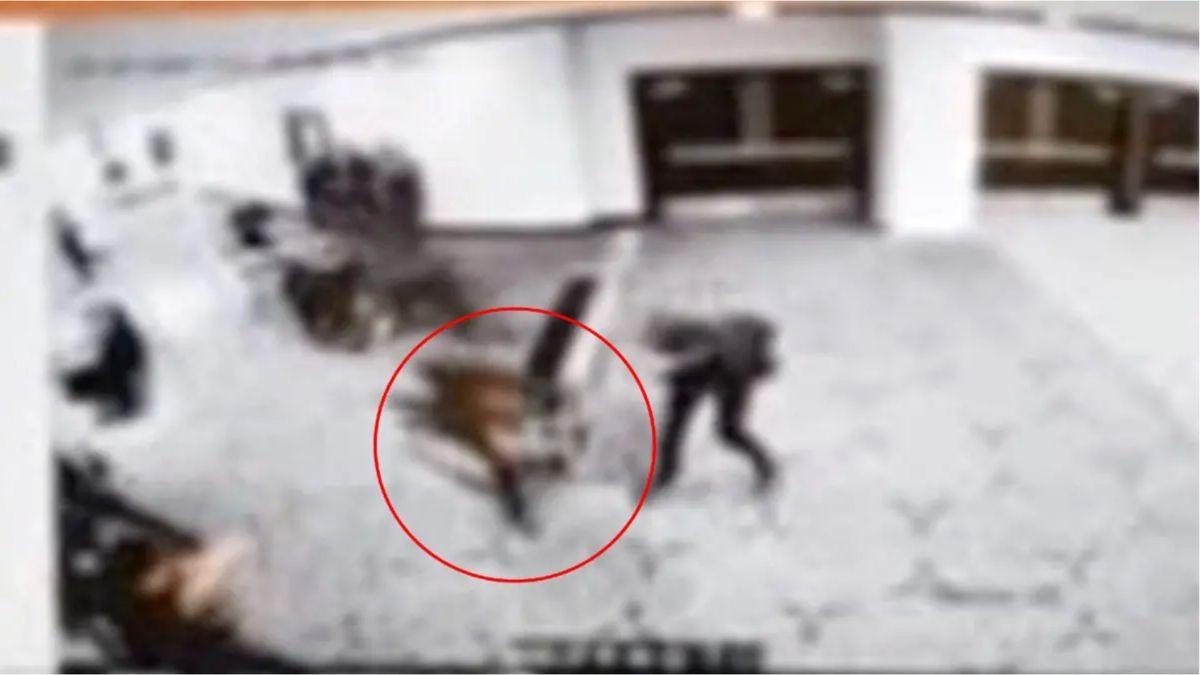
The White House has repeatedly defended the ballroom proposal as a national security measure rather than a luxury expansion. Officials renewed calls for the project after the assassination attempt on Trump at the White House Correspondents’ Association dinner in April, arguing that off-site venues expose presidents and dignitaries to unnecessary risks.
“It’s drone-proof. It’s bulletproof glass. We need the ballroom,” Trump told reporters following the shooting.
According to administration blueprints, the proposed 90,000-square-foot facility would include advanced security protections, briefing infrastructure and seating capacity for up to 1,000 guests. It has been reported that the White House has tentatively targeted September 2028 for the project’s completion.
Democrats and preservation groups oppose ballroom project

Democrats have strongly opposed the proposal, arguing that taxpayer money should not fund what they describe as a politically motivated prestige project. Arizona Democratic Rep. Yassamin Ansari criticized the Trump administration earlier in May, writing on X, “Add the ballroom to the laundry list of things Trump said someone else would pay for.”
“Ultimately, of course, it’s always the American people footing the bill for his outrageous pet projects… A $1BN price tag while he rips away your healthcare. Sickening,” she added.
Meanwhile, historic preservation organizations have warned that construction of the ballroom could permanently alter the White House grounds.