Table of Contents
As environmental awareness grows, cork bags have emerged as a stylish, sustainable accessory option. Made from renewable cork oak bark, these eco-friendly bags are crafted using non-toxic adhesives and dyes. The natural texture and waterproof, lightweight properties of cork make it an appealing material for fashionable yet practical handbags and totes.
Both versatile and durable, cork bags range from sleek crossbody purses to roomy beach totes. Their organic look offers an earthy aesthetic while the quick-drying, anti-microbial cork protects bag contents.
For consumers seeking to make sustainable fashion choices, cork bags let you elevate your style with texture and vibrancy while also being kind to the environment.
What are cork bags? When did cork bags become popular?
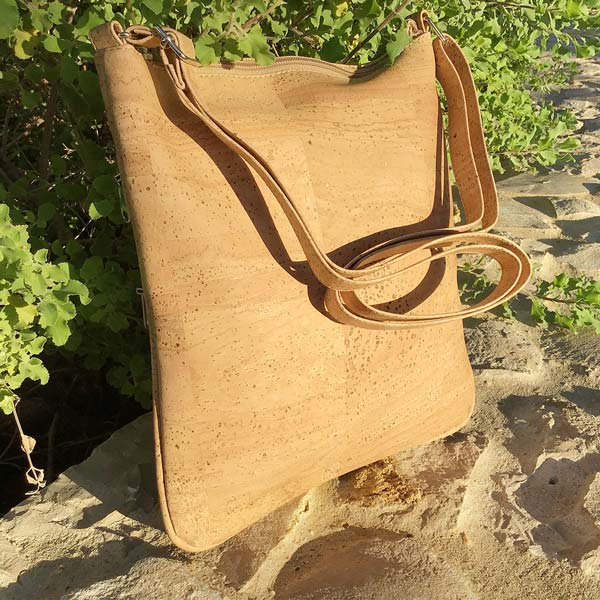
Cork bags refer to handbags, purses, totes, and other accessories made using cork leather or fabric. Cork is harvested sustainably from the protective outer bark of cork oak trees without harming the trees. This renewable material has been used for centuries in products like wine bottle stoppers. However, incorporating cork into fashion accessories and bags gained momentum in the late 20th century as environmental awareness grew.
Portugal, a major cork producer, pioneered much of the early development in cork bags and accessories. Designers found cork’s natural texture, pliability, and water resistance ideal for crafting vegan bags. The unique visual qualities and organic appeal aligned well with rising consumer values around sustainability.
While various regions have crafted cork goods for generations, the modern cork bag industry took shape relatively recently. Today designers worldwide create new cork bag styles that intertwine fashionable form with eco-friendly function.
Why are cork bags becoming more popular by the day?
As environmental awareness grows, cork bags have emerged as a stylish, sustainable accessory option. Made from renewable cork oak bark, these eco-friendly bags are crafted using non-toxic adhesives and dyes. The natural texture and waterproof, lightweight properties of cork make it an appealing material for fashionable yet practical handbags and totes.
Both versatile and durable, cork bags range from sleek crossbody purses to roomy beach totes. Their organic look offers an earthy aesthetic while the quick-drying, anti-microbial cork protects bag contents.
For consumers seeking to make sustainable fashion choices, cork bags let you elevate your style with texture and vibrancy while also being kind to the environment.
Pros and Cons of Cork Bags
Pros of Cork Bags
Sustainability & Eco-Friendliness
Cork bags are made from the bark of cork oak trees, which regenerates after harvesting, making them a renewable resource.
The harvesting process doesn't harm the trees, promoting environmental conservation.
Durability & Longevity
Cork is naturally resistant to wear and tear, making cork bags sturdy and long-lasting.
They can withstand daily use and maintain their aesthetic appeal over time.
Lightweight and Comfortable:
Lightweight & Comfortable
Cork bags are notably lightweight compared to other materials, making them comfortable to carry for extended periods.
This feature is especially appealing for travelers and those who prefer to avoid heavy accessories.
Water-Resistance & Moisture Control
Cork has inherent water-resistant properties, protecting your belongings from light moisture exposure.
It resists mold and mildew, making cork bags suitable for humid environments.
Unique Aesthetic and Style
Cork bags offer a distinctive appearance, with natural patterns and textures that vary from bag to bag.
They can complement a wide range of outfits, adding an element of uniqueness to your style.
Cons of Cork Bags
Limited Color Variety
Cork's natural color palette is somewhat limited, which might not suit individuals seeking a broader range of color options.
Sensitivity to Sharp Objects
While durable, cork bags can be susceptible to punctures from sharp objects, potentially causing damage.
Initial Stiffness
Cork bags are made from the bark of cork oak trees, which regenerates after harvesting, making them a renewable resource.
The harvesting process doesn't harm the trees, promoting environmental conservation.
Price Range
High-quality cork bags can be relatively more expensive than bags made from synthetic materials or fabrics.
Maintenance Needs
Cork bags require proper care to maintain their appearance, such as avoiding exposure to excessive sunlight and moisture
What are the types and styles of cork bags?
Cork bags offer diverse styles for all occasions, embracing sustainability in fashion. Handbags and totes blend elegance with function, while crossbody bags keep a sleek look. Cork clutches add sophistication to evenings. Backpacks suit urban or outdoor pursuits. Eco-friendly travel bags are ideal for jet-setters. Innovative brands shape this trend as eco-conscious fashion rises.
Handbags and Totes: Handbags and totes made from cork are versatile and spacious, making them perfect for everyday use. They often feature sturdy handles, multiple compartments, and stylish closures, combining functionality with aesthetics.
Crossbody Bags and Satchels: Cork crossbody bags and satchels offer a hands-free option, ideal for those on the move. They come in various sizes, allowing for comfortable wear while maintaining a trendy look.
Clutches and Wallets: Clutches and wallets crafted from cork are a chic choice for formal occasions. They showcase intricate detailing, elegant closures, and enough room to hold essentials while adding a touch of sophistication.
Backpacks and Rucksacks: Cork backpacks are designed for those who prioritize both style and utility. These bags often include padded straps, multiple pockets, and a spacious interior, catering to individuals with an active lifestyle.
Travel Bags and Luggage: Cork travel bags and luggage combine durability and elegance, making them perfect for sustainable jet-setters. These bags often feature reinforced corners, telescopic handles, and wheels for easy maneuverability.

how to make cork bags
Crafting cork bags is a skilled endeavor that demands the expertise of artisans to produce impeccable, high-quality products. The intricate process involves several sequential steps, each posing its own distinct challenges.
- Tools and materials needed for production: To start, premium cork bark carefully for its quality and sustainability, along with specialized cutting tools, stitching equipment, and hardware for embellishments.
- Step-by-step manufacturing process:
1. Cutting and molding of cork fabric: Precision is essential in shaping cork fabric according to the bag pattern, ensuring minimal waste. The unique texture of cork demands careful handling to achieve accurate cuts.
2. Joining techniques (sewing, gluing, etc.): Meticulous sewing or gluing methods are required to seamlessly join cork components. The density of cork can make achieving strong connections challenging.
3. Adding hardware (zippers, buckles, straps, etc.): Incorporating hardware requires expertise to prevent damage to the cork’s delicate structure. Ensuring proper alignment and attachment is crucial.
4. Lining and finishing: Attaching linings and completing finishing touches demand intricate detailing. Achieving a polished appearance while maintaining the integrity of the cork can be demanding. - Techniques to ensure quality of workmanship:
Craftsmen rely on their expertise to:
Thoroughly inspect materials to ensure they meet high standards.
Stitch with precision to avoid fraying and maintain structural integrity.
Handcraft straps, decorative elements, and other components with precision.
Seamlessly integrate all elements to create a cohesive and durable bag.
Throughout the process, mistakes can compromise the quality of the final product. Each step requires a skilled touch, patience, and meticulous attention to detail. The expertise of craftsmen is pivotal in overcoming these challenges and producing cork bags that exemplify both artistry and functionality.
What are some cork fabrics for making bags?
Cork Leather
Description: Cork leather, also known as cork fabric or cork skin, is a material made from the bark of cork oak trees. It has a smooth and luxurious texture, similar to leather, and is a sustainable and cruelty-free alternative.
Characteristics: Cork leather is lightweight, durable, water-resistant, and easy to clean. It comes in various colors and textures, offering a natural and unique appearance.
Suitable for: Cork leather is suitable for creating high-end and fashionable bags, purses, and wallets. It can be used for both casual and formal occasions.
Colored Cork Fabrics
Description: Colored cork fabrics are cork materials that have been dyed in various colors, offering a wide range of options beyond the natural cork color.
Characteristics: These fabrics retain the natural texture of cork while adding vibrant colors. They are still lightweight, durable, and eco-friendly.
Suitable for: Colored cork fabrics are great for creating stylish bags, clutches, and accessories where a pop of color is desired.
HZCORK Blog
View original source →
Education by Gyan
Deadspin
Boing Boing » Politics
Patrick J. Stangl Law Blog
Hackaday Blog
January Girl