
 Idyllic Pursuit
 American travelers consistently overpay for purchases in several popular international destinations due to a widespread practice called dynamic currency conversion, in which merchants and ATMs offer to charge a transaction in U.S. dollars rather than local currency, a seemingly convenient option that actually applies an exchange rate substantially worse than what a traveler’s own bank or credit card would apply if the transaction were processed in local currency instead.
This practice has become particularly common in tourist-heavy destinations across Europe, parts of Southeast Asia, and Mexican resort areas, where merchants and ATM operators specifically target foreign tourists with the dollar-conversion option precisely because most travelers don’t understand that declining the conversion and paying in local currency almost always produces a better effective exchange rate.
How Dynamic Currency Conversion Actually Works
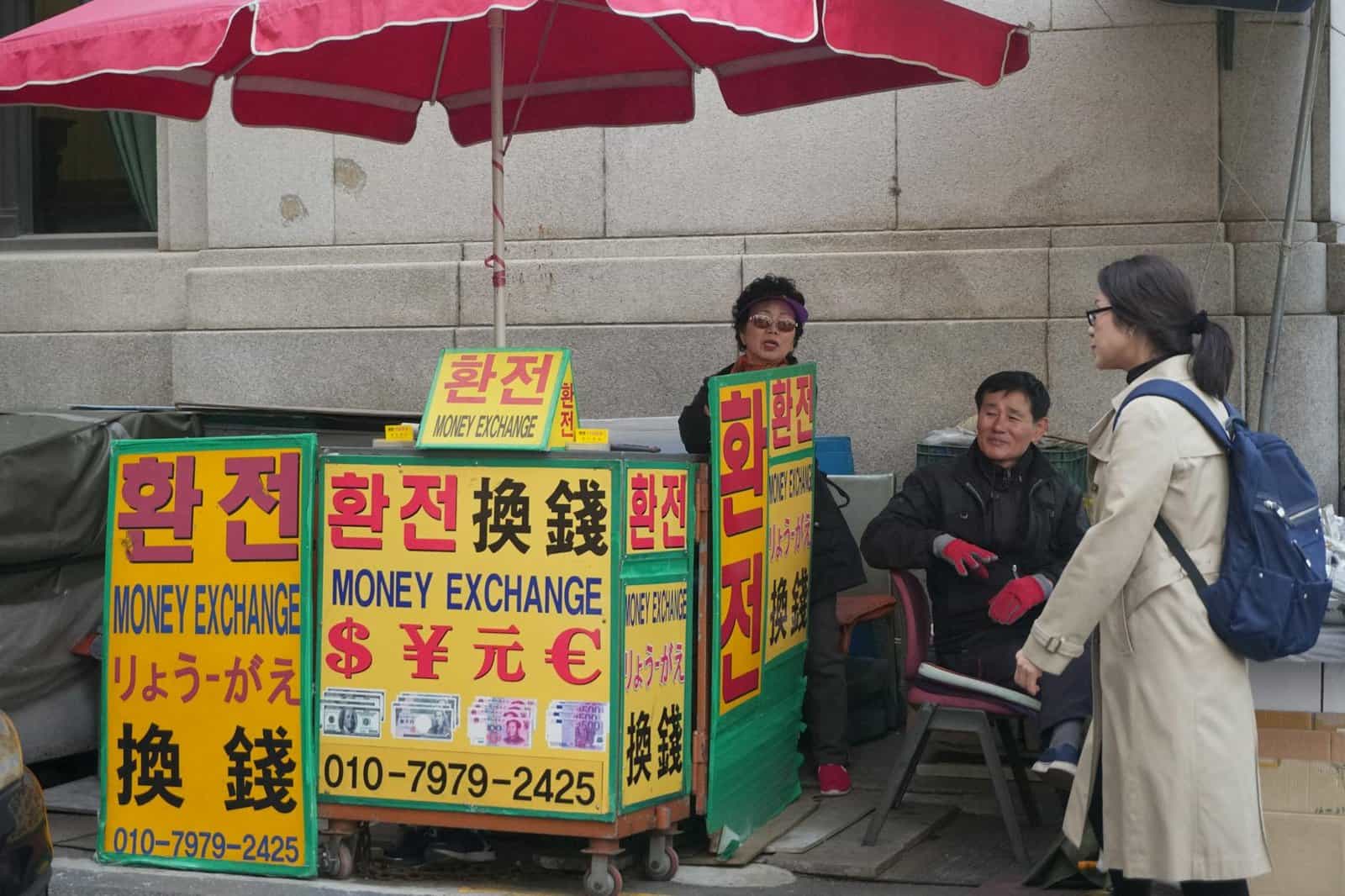
When a merchant or ATM offers to complete a transaction in the traveler’s home currency rather than the local currency, the conversion rate applied is set by the merchant’s payment processor rather than the traveler’s own card network, and this merchant-controlled rate typically includes a markup significantly higher than the rate a traveler’s bank or credit card company would apply on the same transaction processed in local currency.
This markup can range from a few percentage points to sometimes ten percent or more above the rate a traveler would receive by simply declining the dollar conversion option and allowing their own card issuer to handle the currency exchange using the card network’s typically more favorable wholesale exchange rate.
Where This Practice Is Most Common
Dynamic currency conversion offers appear most frequently in destinations with high concentrations of American and other foreign tourists, including major European tourist cities, resort areas in Mexico and the Caribbean, and increasingly, tourist-heavy areas throughout Southeast Asia, where merchants and ATM operators have specifically implemented systems designed to present the dollar-conversion option as the default or most convenient-seeming choice.
- European tourist destinations including popular cities in Italy, France, and Spain have documented widespread dynamic currency conversion practices at both merchants and ATMs
- Mexican resort areas frequently present dynamic currency conversion prominently, particularly at ATMs located in heavily tourist-trafficked zones
- Some Southeast Asian tourist destinations have seen dynamic currency conversion practices expand significantly as American tourism to the region has grown
- Credit card and travel finance experts consistently recommend declining dynamic currency conversion offers whenever presented, regardless of destination
How to Actually Avoid This Overcharge
Travelers can avoid dynamic currency conversion’s unfavorable rates simply by declining the dollar-conversion option whenever a merchant or ATM presents it, instead selecting to complete the transaction in the local currency, a choice that requires no special financial expertise but does require recognizing the option when it’s presented, since many payment terminals and ATMs default to the dollar option unless the traveler actively chooses otherwise.
Using a credit card specifically marketed as having no foreign transaction fees provides an additional layer of protection, since these cards are designed to process local currency transactions at competitive exchange rates without the additional markup that dynamic currency conversion or standard foreign transaction fees would otherwise apply.
Why This Practice Persists Despite Being Well-Documented
Despite extensive travel finance media coverage explaining dynamic currency conversion and consistently recommending travelers decline it, the practice remains widespread because it generates meaningful additional revenue for merchants and payment processors who receive a portion of the markup, creating a persistent financial incentive to continue offering it regardless of how well-informed any individual segment of tourists might become about declining it.
This persistence means American travelers need to remain personally vigilant about the practice on every relevant transaction rather than assuming increased public awareness has meaningfully reduced how often merchants and ATMs present the unfavorable dollar-conversion option, since the financial incentive driving the practice hasn’t meaningfully changed even as more travelers have learned to recognize and decline it.
What This Means Looking Ahead
The trends described here are likely to continue evolving over the coming years, and the specific dynamics at play, economic, demographic, or environmental, will keep shaping how dynamic currency conversion overcharges develops going forward, making it worth continued attention from anyone with a genuine interest in the place or subject rather than a one-time curiosity.
For now, understanding the fuller context behind dynamic currency conversion overcharges gives a more accurate picture than the surface-level version most casual observers encounter, and that accuracy matters increasingly as more people make real decisions, about where to live, where to visit, or how to spend their money, based on incomplete or outdated impressions.
What Locals Say Compared to What Visitors Assume
Longtime residents familiar with dynamic currency conversion overcharges often describe a considerably more nuanced picture than outside visitors or casual observers typically assume, with the day-to-day reality involving tradeoffs and complications that don’t fit neatly into either an overly romanticized or overly dismissive narrative about the place.
That gap between local knowledge and outside perception shows up repeatedly across similar cases nationally, and it’s a useful reminder that dynamic currency conversion overcharges rewards a closer, more careful look rather than the quick surface judgment that most passing visitors or online commentary tend to settle for.
The Practical Takeaway for Anyone Paying Attention
Anyone planning to engage more seriously with dynamic currency conversion overcharges, whether as a visitor, a potential resident, or simply someone trying to understand the underlying dynamics accurately, benefits from looking past the most commonly repeated version of the story and toward the specific data and history that actually explain how things got this way.
That extra bit of research rarely takes long, and it consistently produces a more useful and more accurate understanding than relying on secondhand impressions, making it worth the modest additional effort for anyone whose decisions actually depend on getting dynamic currency conversion overcharges right.

 The Thoughts and Opinions of Lady Bookamore
  The Register
  From Soil to Soul Blog
  IndieWire
  Baron von Brunk's
  Inc. Magazine