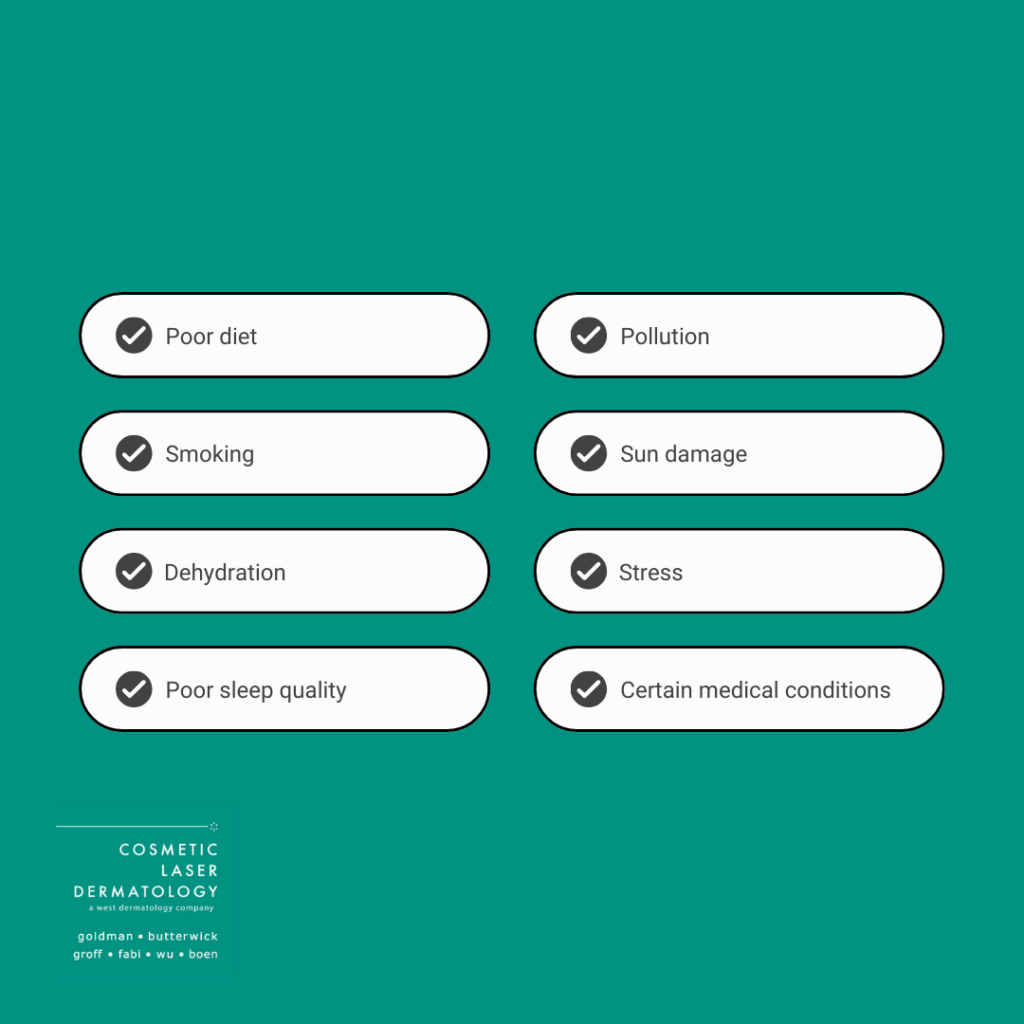
 Cosmetic Laser Dermatology Blog
 XERF skin tightening is a noninvasive radiofrequency treatment designed to improve mild to moderate skin laxity through areas such as the face, jawline, and neck. By delivering controlled radiofrequency energy at different tissue depths, a XERF treatment supports fibroblastic function to enhance hyaluronic acid, collagen, and elastic fiber production for gradual changes in skin firmness and structure.
At Cosmetic Laser Dermatology in San Diego, XERF treatments are performed by our board-certified dermatologists. Because we offer a wide range of skin tightening technologies, including XERF, Thermage FLX, Ultherapy PRIME, and Sofwave, treatment recommendations are based on your anatomy, concerns, and goals rather than one device alone.
What is XERF Treatment?
XERF is a radiofrequency treatment rather than a laser. It uses multiple frequencies to deliver controlled heat at different tissue depths, while integrated cooling helps manage heat at the skin surface.
As a result, XERF skin tightening encourages fibroblastic activity that supports hyaluronic acid, collagen, and elastic fiber production. These structural changes develop gradually, which is why results are evaluated over time rather than immediately after treatment.
Although some patients search for the term ‘XERF laser,’ the technology uses radiofrequency energy rather than laser energy.
What Can XERF Skin Tightening Improve?
XERF may be considered for patients noticing mild to moderate skin laxity without wanting surgical treatment. In particular, many patients become interested in XERF when changes begin to appear on the lower face and neck.
Treatment may help address:
- Early jowling
- Reduced jawline definition
- Mild loose skin on the neck
- Lower facial laxity
- Changes in skin firmness
- Age-related changes in facial skin
However, not every change around the jawline is caused by loose skin. Volume loss, underlying facial structure, and localized fullness can also affect the appearance of the lower face. Therefore, an evaluation with our board-certified dermatologists is important before deciding whether XERF is the right treatment.
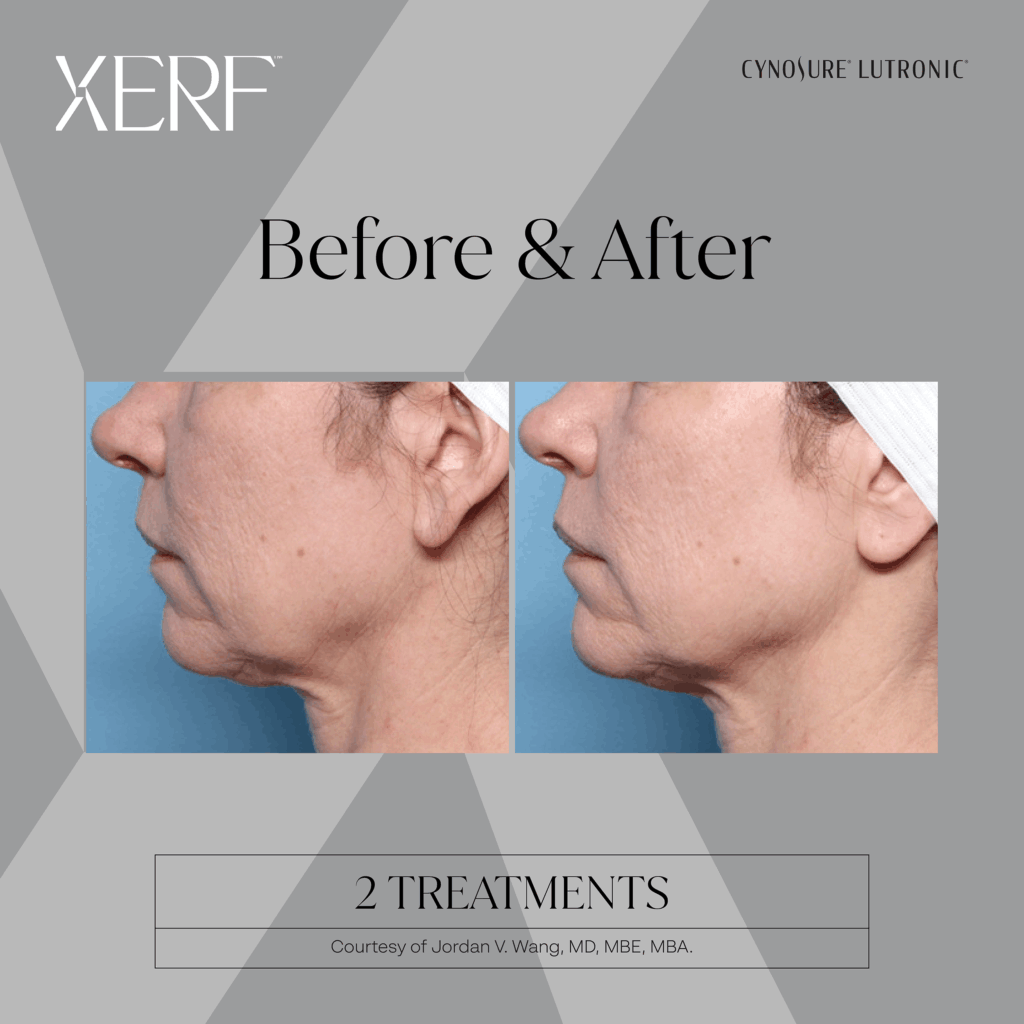
XERF Skin Tightening for the Lower Face and Neck
The lower face is one of the most common areas where patients begin noticing skin laxity.
Jawline and Jowls
A XERF treatment may be appropriate when early laxity begins to soften jawline definition or contribute to mild jowling. However, our board-certified dermatologists will also evaluate whether volume loss, facial structure, or excess fullness is contributing to the concern.
Neck
XERF skin tightening can also be used when mild to moderate laxity develops along the neck. More advanced laxity may require a different nonsurgical approach or surgical evaluation, depending on the amount of correction desired.
Lower Face
Because lower facial aging often involves more than one structural change, XERF may sometimes be incorporated into a broader treatment plan rather than used alone.
Who Is a Good Candidate for XERF?
XERF may be a good option for patients with early to moderate laxity who want gradual improvement without surgery.
Treatment selection depends on several factors, including:
- Degree of skin laxity
- Facial volume
- Skin thickness and characteristics
- Treatment area
- Previous cosmetic treatments
- Desired level of correction
For example, someone with loose skin may require a different approach than someone whose primary concern is facial volume loss. Likewise, fullness beneath the chin or along the jawline may require contouring treatment rather than skin tightening alone.
XERF vs Ultherapy PRIME, Thermage FLX, and Sofwave
Patients comparing XERF vs Ultherapy often want to understand the difference between radiofrequency and ultrasound-based skin tightening.
XERF and Thermage FLX use radiofrequency energy, while Ultherapy PRIME and Sofwave use ultrasound-based technologies. Each delivers energy differently and may be selected according to the treatment area, depth of concern, anatomy, and degree of laxity.
There is no single skin tightening treatment that is best for every patient. Because Cosmetic Laser Dermatology offers XERF, Thermage FLX, Ultherapy PRIME, Sofwave, and other laser, light, and energy devices, our board-certified dermatologists can compare several technologies before recommending a treatment plan.
This is especially helpful for patients who are unsure whether XERF or another option is more appropriate for their goals.
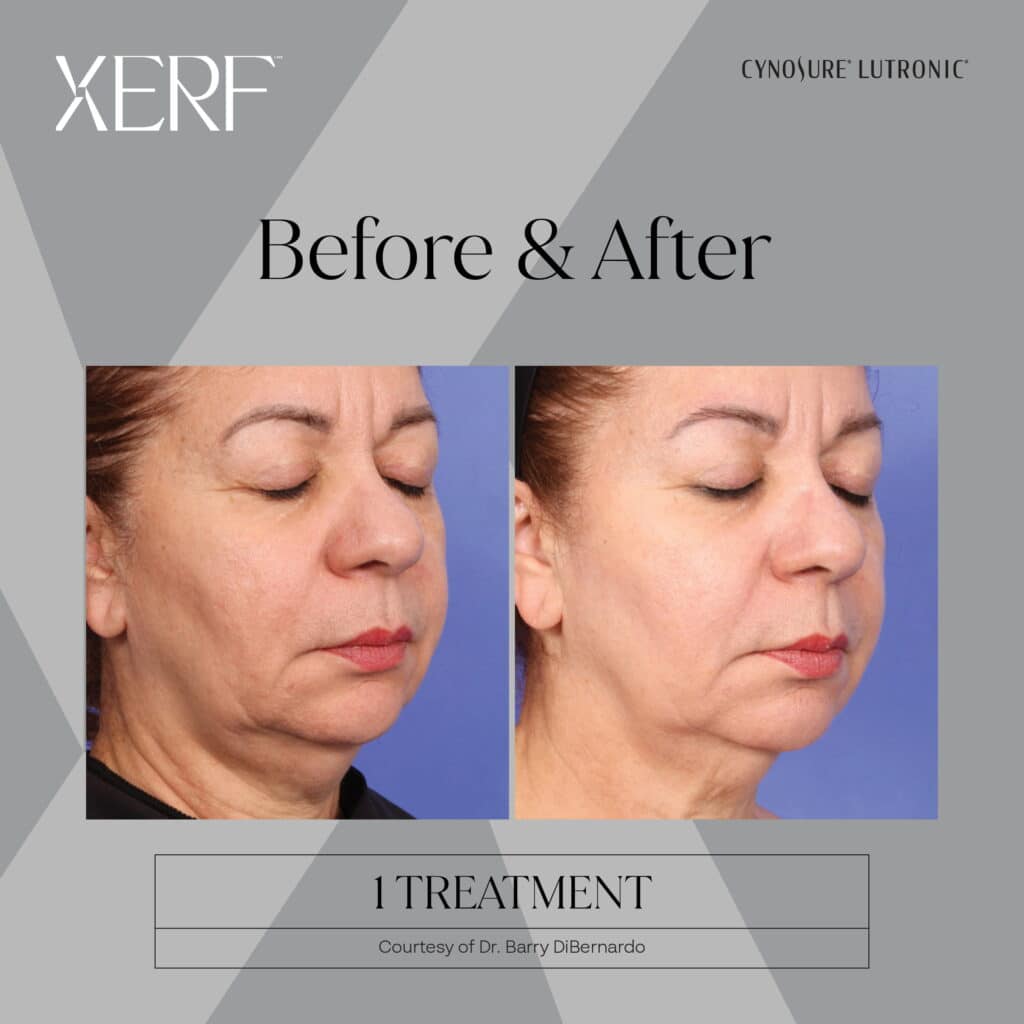
Does XERF Cause Facial Fat Loss?
Facial volume is an important consideration when evaluating any energy-based treatment.
XERF settings, treatment depth, anatomy, and patient selection all matter when developing a treatment plan. Patients who already have limited facial volume or a naturally thin face may require a different strategy than someone with skin laxity and greater facial fullness.
Rather than assuming every change in the lower face should be treated with skin tightening, our board-certified dermatologists evaluate the relationship between skin laxity, facial volume, structure, and localized fat before recommending XERF treatment.
What to Expect During a XERF Treatment
Treatment begins with an evaluation of the areas being addressed. Radiofrequency energy is then delivered across the selected treatment zones while integrated cooling helps manage heat at the skin surface.
Treatment time varies depending on the areas being treated. Patients may experience warmth during the procedure, and temporary redness or sensitivity may occur afterward.
Your dermatologist will provide specific aftercare instructions based on your treatment area and treatment plan.
How Long Does XERF Last?
XERF results are not considered permanent, and the duration of improvement varies based on age, skin characteristics, degree of laxity, treatment plan, and the natural aging process.
Because XERF supports gradual hyaluronic acid, collagen, and elastic fiber production, results may continue to develop after treatment. Your dermatologist may also recommend future maintenance based on how your skin changes over time.
Rather than focusing on a fixed duration, Cosmetic Laser Dermatology evaluates each patient’s response and determines whether additional treatment is appropriate.
How Many XERF Treatments Will I Need?
The number of XERF treatments depends on the degree of laxity, treatment area, age related changes, previous procedures, and the patient’s goals.
Some patients may be treated with XERF alone, while others may benefit from combining different procedures to address multiple aspects of facial aging.
Instead of selecting a predetermined number of sessions for every patient, our board-certified dermatologists develop treatment recommendations after evaluating the skin and underlying facial anatomy.
Combining XERF With Other Treatments
Skin laxity is often only one part of facial aging. Pigmentation, uneven texture, volume loss, and localized fullness may require different treatments.
For this reason, XERF may be combined or strategically sequenced with injectables, biostimulatory treatments, resurfacing procedures, or other laser, light, and energy devices when appropriate.
Likewise, patients exploring skin tightening may be candidates for XERF, Thermage FLX, Ultherapy PRIME, Sofwave, or a combination approach, depending on their needs.
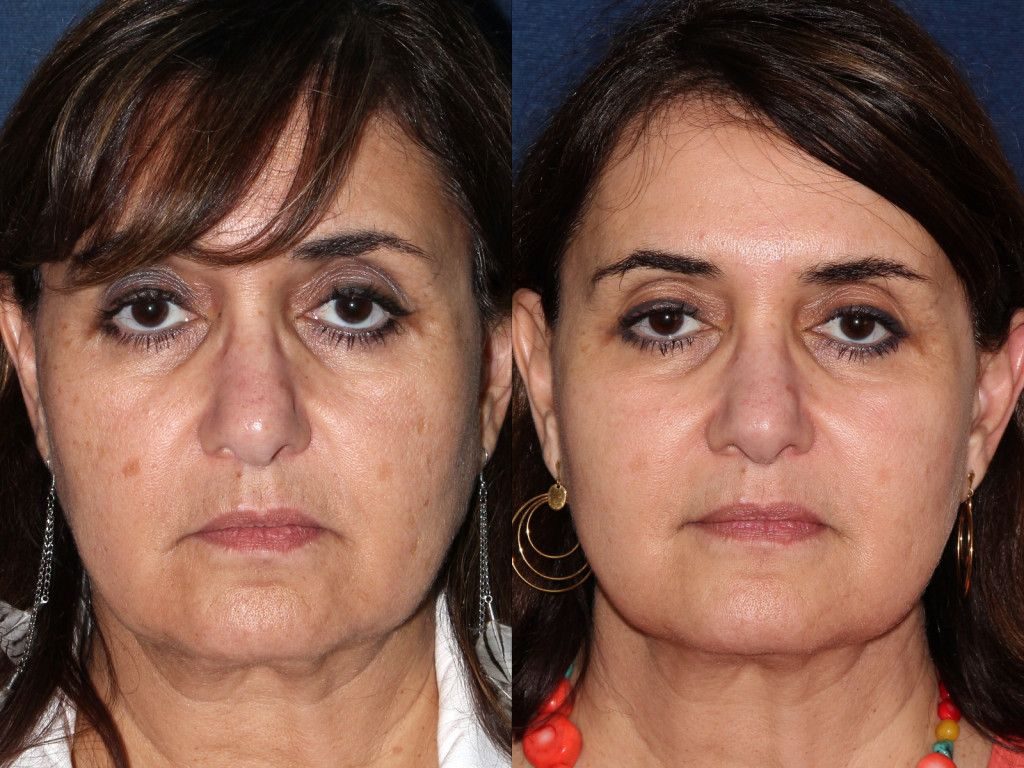
Why Choose Cosmetic Laser Dermatology for XERF?
Cosmetic Laser Dermatology offers more than one approach to skin tightening.
Our board-certified dermatologists have access to an extensive collection of laser, light, and energy devices, allowing treatment selection to begin with the patient’s concern rather than a specific technology.
In addition, Cosmetic Laser Dermatology has a longstanding focus on clinical research and advanced cosmetic dermatology. This experience allows our physicians to evaluate not only whether XERF may help, but also whether another treatment or combination plan may be more appropriate.
Explore XERF Skin Tightening in San Diego
Choosing a skin tightening treatment is not simply about selecting the newest technology. More importantly, the goal is to determine what is contributing to the changes you see and which treatment can appropriately address them.
Schedule a consultation with the board-certified dermatologists at Cosmetic Laser Dermatology in San Diego to learn whether XERF skin tightening, Thermage FLX, Ultherapy PRIME, Sofwave, or another approach may be right for you.
Schedule your consultation today!
The post What is XERF Skin Tightening and How Does it Work? appeared first on Cosmetic Laser Dermatology Skin Specialists in San Diego.

 Inside Higher Ed
 BOLD
BOLD 
 Android Central
 Her Interactive Blog » Art and Animation
  Techmeme
  Healthcare IT Leaders Blog