
Photo from Vishal Patel
What if data could speak directly to you?
For most businesses, data is an untapped resource—raw, unprocessed, and hard to understand. But with the right data architecture, it’s more than just numbers—it becomes a tool for real-time decisions that move your business forward.
Vishal Patel has spent years turning data into decisions for companies across industries. From revolutionizing healthcare systems to streamlining financial data workflows, he’s been at the forefront of helping businesses unlock the true value of their data with cloud-native solutions.
But what does that mean for you?
Imagine having the ability to make critical business decisions based on real-time data from all departments without waiting for outdated systems to catch up. Vishal’s expertise allows companies to scale data systems, reduce costs, and make faster, more accurate decisions that lead to increased profitability.
In this article, we break down the key concepts you need to know about cloud-native architectures and how they’re reshaping industries.Â
Breaking Down Data Engineering and Cloud-Native Architectures
What is Data Engineering?
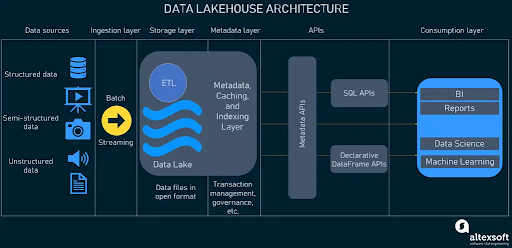
Data engineering is about creating systems that can process and manage the massive amounts of data organizations generate daily. It involves building data pipelines that collect, store, process, and transform data so that it can be used for analytics, machine learning, and AI. Without strong data engineering, even the best algorithms won’t work as they should.
Think of data engineering as the unseen infrastructure that keeps everything running smoothly. Just like the pipes in a city that ensure water flows where it’s needed, data engineering makes sure that information flows efficiently through an organization, enabling teams to make real-time decisions based on accurate data.
Vishal’s journey started with an interest in how data could solve real-world problems. He first mastered SQL and Python, then expanded into cloud technologies. His work with AWS, Azure, and Databricks has transformed how businesses design their data systems, allowing them to scale efficiently and stay on top of their ever-changing data needs.
Cloud-Native Data Architectures
Cloud-native architectures are systems designed to fully take advantage of cloud computing. These systems are scalable, flexible, and cost-effective, helping organizations manage large datasets that grow exponentially.
So why is this important?Â
As businesses face increasing amounts of data, cloud-native solutions allow them to scale up or down without the heavy costs of traditional infrastructure. This flexibility means they can adapt quickly and innovate faster.
Vishal specializes in designing cloud-native architectures with powerful tools like AWS S3 for scalable storage, Azure Data Lake Storage (ADLS) for handling big data, AWS Glue for processing data, and Databricks for analytics.Â
These tools allow businesses to build efficient, scalable data pipelines that handle complex data workflows, enabling them to make real-time, data-driven decisions at scale.
Vishal’s Proven Expertise Supporting Data & Expert Insights

Photo from Freepik
The growing demand for data engineering and cloud-native solutions is clear when you look at key industry trends:
- Global Data Growth: the amount of data generated globally will reach 163 zettabytes by 2025. This flood of data makes scalable cloud-native solutions essential for managing and extracting value from such large datasets. Vishal’s work is helping organizations stay ahead of this data explosion.
- Cloud Adoption: A report predicts that by 2026, 85% of enterprises will have moved their critical data and applications to the cloud. Vishal’s expertise in designing and implementing cloud-native solutions is key to ensuring data security, performance, and scalability during this transition.
- Case Study Insight: Vishal’s work on the Enterprise Data Grid platform for a global healthcare organization highlights the impact of cloud-native solutions. By integrating data across multiple regions, this platform improved access to vital health information, sped up decision-making, and ultimately led to better patient care.
These insights show the growing need for skilled data engineers like Vishal, whose cloud-native solutions are helping organizations manage massive datasets and turn them into valuable business assets.
Vishal Patel’s career in Data Engineering in Action
Vishal Patel’s career is marked by his ability to create real-world, scalable solutions that solve big problems. His impact spans several industries, proving the tangible benefits of cloud-native data engineering.
Healthcare Industry: Revolutionizing Data Management
When Vishal was tasked with creating an Enterprise Data Grid for a global healthcare organization, he didn’t just solve a technical issue—he made a real difference in patient care. Built on AWS and Databricks, this cloud-native platform integrated data from over 20 regions, making it easier for healthcare providers to access critical information and reducing decision-making time by 30%. This project showcases how data engineering can transform even the most complex industries.
Finance Sector: Modernizing Legacy Systems
Vishal was critical in modernizing a credit rating organization’s outdated data systems. He improved data security, speed, and scalability by moving siloed data workflows to a cloud-native architecture using AWS and Azure. This migration helped the organization reduce costs and respond to market changes faster and more accurately.
Telecommunications & Public Sector: Driving Efficiency
Vishal’s scalable data solutions helped companies manage large customer datasets in telecommunications without sacrificing performance. In the public sector, his cloud-native systems helped government agencies update outdated infrastructure, improving service delivery and operational efficiency.
These case studies highlight how cloud-native data solutions can reduce costs, improve efficiency, and help organizations better leverage their data.
For businesses looking to get the most out of their data, cloud-native solutions are key. To explore these opportunities, connect with Vishal on LinkedIn or discuss potential collaborations.
What’s Next for Data Engineering?
The future of data engineering will be driven by advancements in AI and machine learning. As these technologies improve, Vishal Patel is leading the way, exploring how AI-driven analytics will reshape cloud-native architectures and help businesses predict demand with precision and optimize predictive models in real-time.
About the Author
Alex Martin is a technology writer with over a decade of experience covering cloud technologies and data engineering. Based in San Francisco, Alex provides expert-level insights into the rapidly evolving world of data science.
The post How Cloud-Native Data Solutions Engineers Help Scale, Reduce Costs, and Make Smarter Decisions in Your Business appeared first on Nextotech.


 TechToday