Trending
New AI method can support real-time management of infectious diseases is trending now Katsina Government Opens New Diphtheria Isolation, Treatment Centre is trending now Role of ethics education in accounting fraud prevention is trending now Even ancient bacteria possessed intercellular communication structures like humans today,… is trending now NASA inaugurates first telescope named after female scientist is trending now Salah's successor arrives at Anfield: Liverpool sign Barcola in a historic deal is trending now Aston Villa vs Arsenal: Shearer predicts Monday’s EPL fixture is trending now Man City agree £65m deal for Everton's Ndiaye is trending now Barcelona's comeback against Rayo Vallecano reminds Real Madrid of a painful past is trending now Ikogosi Resort partners AFRIMMA to promote Nigeria’s tourism is trending now Mindustry Conference Partners Warner Music Africa/Africori For Fifth Edition, Opens Regis… is trending now BBNaija S11: Aikou, Flora Risk Losing Gambit Status is trending now New AI method can support real-time management of infectious diseases is trending now Katsina Government Opens New Diphtheria Isolation, Treatment Centre is trending now Role of ethics education in accounting fraud prevention is trending now Even ancient bacteria possessed intercellular communication structures like humans today,… is trending now NASA inaugurates first telescope named after female scientist is trending now Salah's successor arrives at Anfield: Liverpool sign Barcola in a historic deal is trending now Aston Villa vs Arsenal: Shearer predicts Monday’s EPL fixture is trending now Man City agree £65m deal for Everton's Ndiaye is trending now Barcelona's comeback against Rayo Vallecano reminds Real Madrid of a painful past is trending now Ikogosi Resort partners AFRIMMA to promote Nigeria’s tourism is trending now Mindustry Conference Partners Warner Music Africa/Africori For Fifth Edition, Opens Regis… is trending now BBNaija S11: Aikou, Flora Risk Losing Gambit Status is trending now
Technology

Crazy Old Machines

Crazy Old Machines

Al and I were talking about the IBM 9020 FAA Air Traffic Control computer system on the podcast. It’s a strange machine, made up of a bunch of IBM System …read more

Al and I were talking about the IBM 9020 FAA Air Traffic Control computer system on the podcast. It’s a strange machine, made up of a bunch of IBM System 360 mainframes connected together to a common memory unit, with all sorts of custom peripherals to support keeping track of airplanes in the sky. Absolutely go read the in-depth article on that machine if it sparks your curiosity.

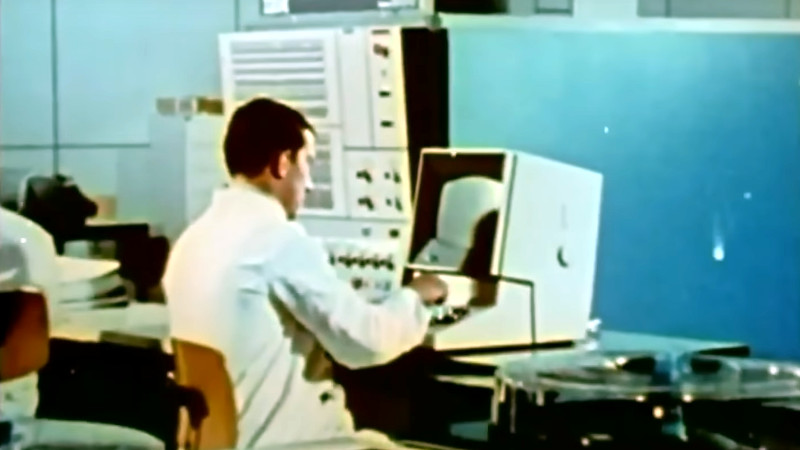
It got me thinking about how strange computers were in the early days, and how boringly similar they’ve all become. Just looking at the word sizes of old machines is a great example. Over the last, say, 40 years, things that do computing have had 4, 8, 16, 32, or even 64-bit words. You noticed the powers-of-two trend going on here, right? Basically starting with the lowly Intel 4004, it’s been round numbers ever since.
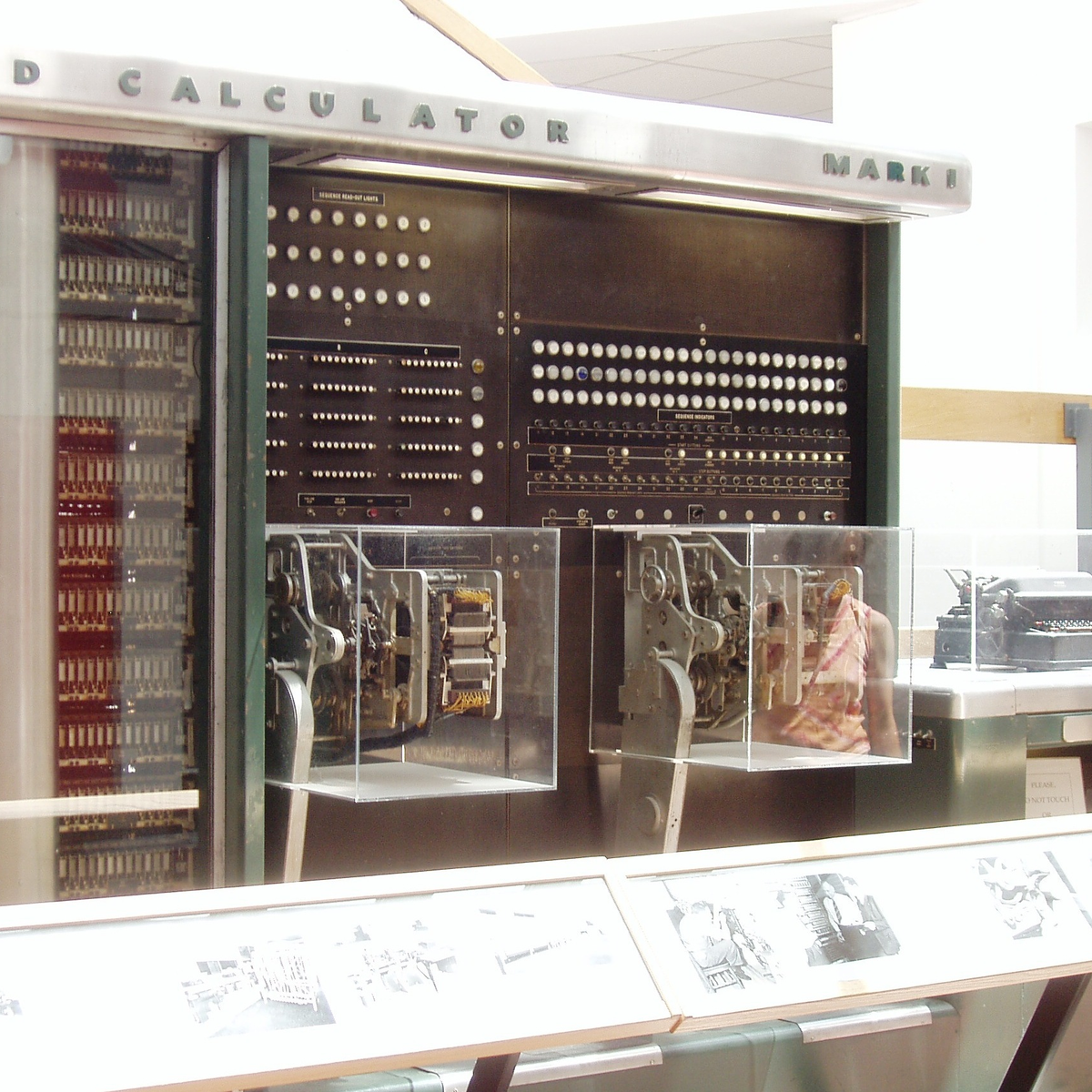
Harvard Mark I, by [Topory]
On the other side of the timeline, though, you get strange beasts. The classic PDP-8 had 12-bit words, while its predecessors the PDP-6 and PDP-1 had 36 bits and 18 bits respectively. (Factors of six?) There’s a string of military guidance computers that had 27-bit words, while the Apollo Guidance computer ran 15-bit words. UNIVAC III had 25-bit words, putting the 23-bit Harvard Mark I to shame.

I wasn’t there, but it gives you the feeling that each computer is a unique, almost hand-crafted machine. Some must have made their odd architectural choices to suit particular functions, others because some designer had a cleaver idea. I’m not a computer historian, but I’m sure that the word lengths must tell a number of interesting stories.

On the whole, though, it gives the impression of a time when each computer was it’s own unique machine, before the convergence of everything to roughly the same architectural ideas. A much more hackery time, for lack of a better word. We still see echoes of this in the people who make their own “retro” computers these days, either virtually, on a breadboard, or emulated in the fabric of an FPGA. It’s not just nostalgia, though, but a return to a time when there was more creative freedom: a time before 64 bits took over.

This article is part of the Hackaday.com newsletter, delivered every seven days for each of the last 200+ weeks. It also includes our favorite articles from the last seven days that you can see on the web version of the newsletter. Want this type of article to hit your inbox every Friday morning? You should sign up!
View original source →

Related

More from Hackaday Blog