 Public Radio International
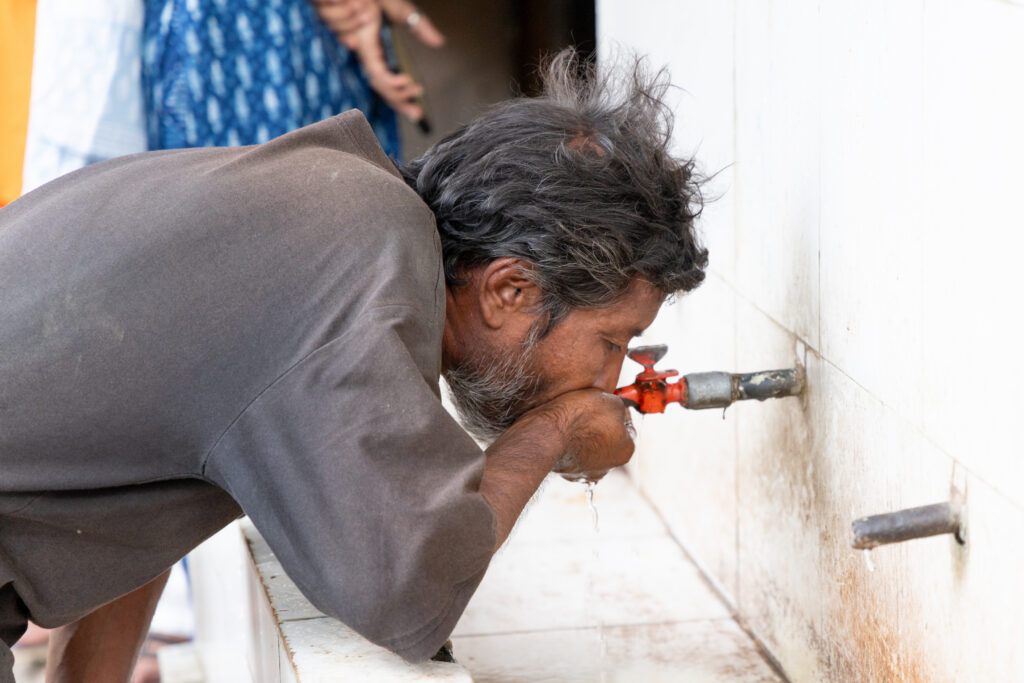
 Religious music blasted from a speaker in northeast Delhi as people milled around a large public sink fitted with four metal taps. On an early morning in the first week of July, everyone from construction workers to domestic help were clutching water bottles, doing their best to stay hydrated in the heat.
“This goes from morning to night,” said a middle-aged man named Muna-ji. “People take water to their homes.”
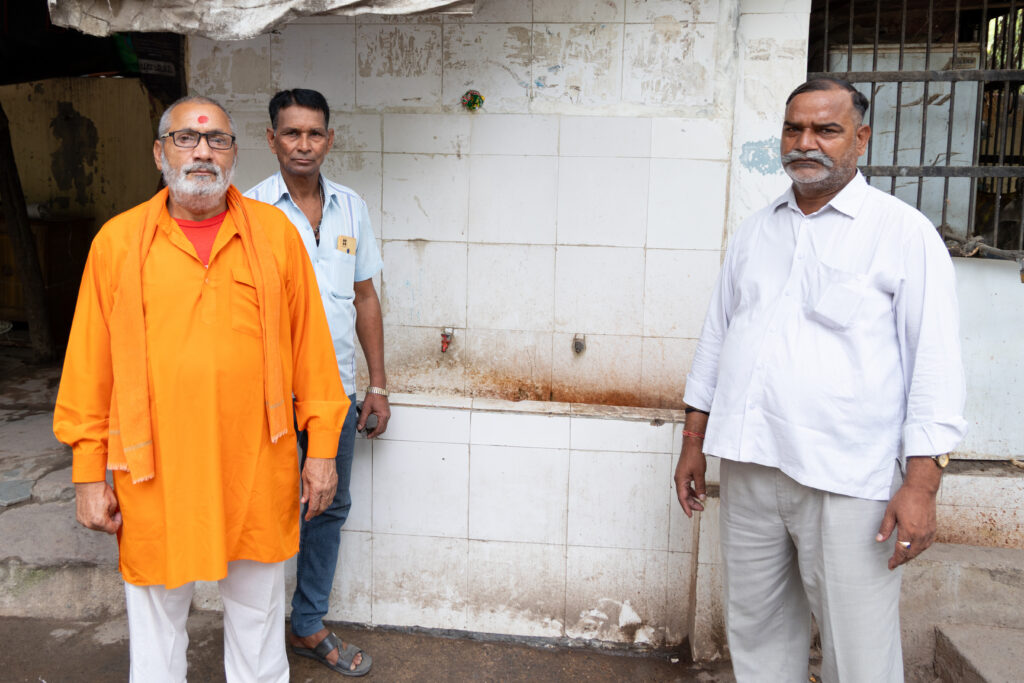
He manages this water station in an informal settlement in Kishan Kunj, made up of tiny, tin-roofed homes and winding lanes. About 2,000 people come here each day for free, clean drinking water.
“This [station] is so important, it quenches so many people’s thirst,” Muna-ji said.
While heat waves have swept across the world in recent months, including parts of Europe and the US, they’ve been especially intense in India. In May, for instance, 97 of the world’s 100 hottest cities were in India alone.
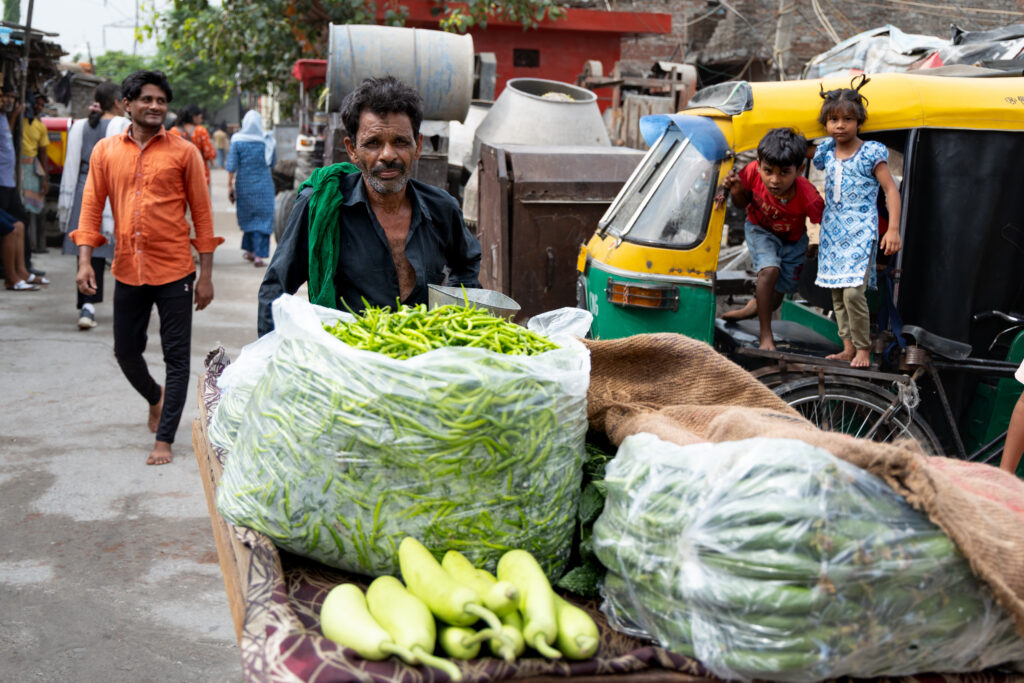
On that day, the temperature felt like 112 degrees [Fahrenheit] with the humidity. “The heat is intense,” said rickshaw driver Amit Vishwas. “I can’t sleep at night. Don’t even ask.”
By mid-month, Delhi had its warmest July day and night in two years.
Vishwas fills his water bottle each morning at the station before working a long day, entirely outdoors. Without it, he would have to purchase bottled water each time he needed a drink. Even at a few cents a bottle, that’s not affordable for him.
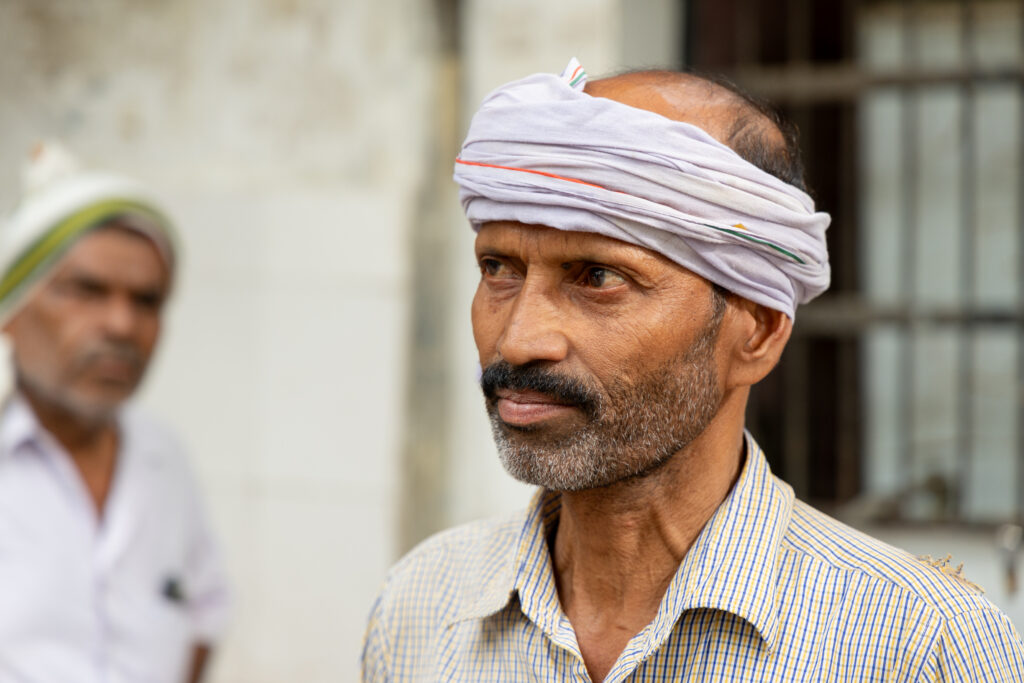
Usually, monsoon rains arrive by the end of June, and Delhi gets a break from the heat. But scientists say climate change has made the monsoons more erratic. It’s also an El Niño year, which means the surface air temperatures above the Pacific Ocean are getting warmer. That has delayed the onset of rain and caused the heat to drag on. In India, this extreme heat has been especially dangerous for the millions of people who work outdoors, who tend to be among the poorest in society. As heat waves become more common in India, healthcare workers are doing their best to adapt to the growing public health crisis.
Healthcare workers on the frontlines
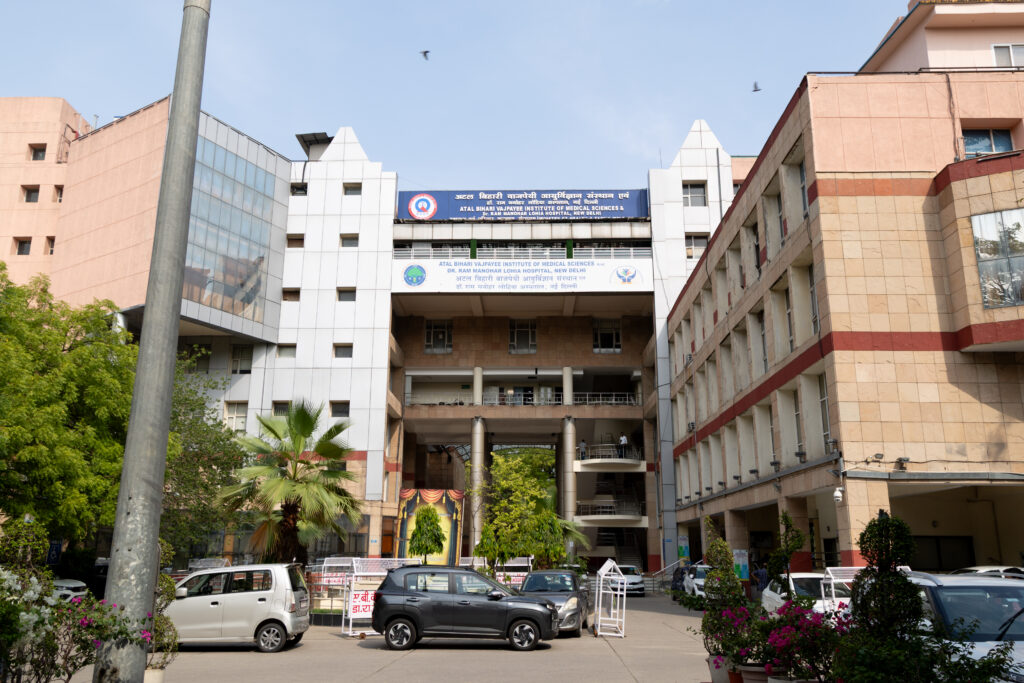
Two years ago, India was hit with one of the country’s longest heat waves. More than 1 billion people were exposed to extreme heat. Just weeks before the extreme temperatures set in, a new heatstroke unit opened at Ram Manohar Lohia Hospital, a large public hospital in Delhi. The director of the new unit, Dr. Ajay Chauhan, said, “As fate would have it, sometimes you are at the right place at the right time.”
Dr. Chauhan thought that it would mostly serve as a training center for health professionals. Then, he said, “the floodgates opened.” Citywide, hospitals were inundated with heatstroke cases. His unit treated 75 patients in a little over a month. And despite their best efforts, a third of them died.
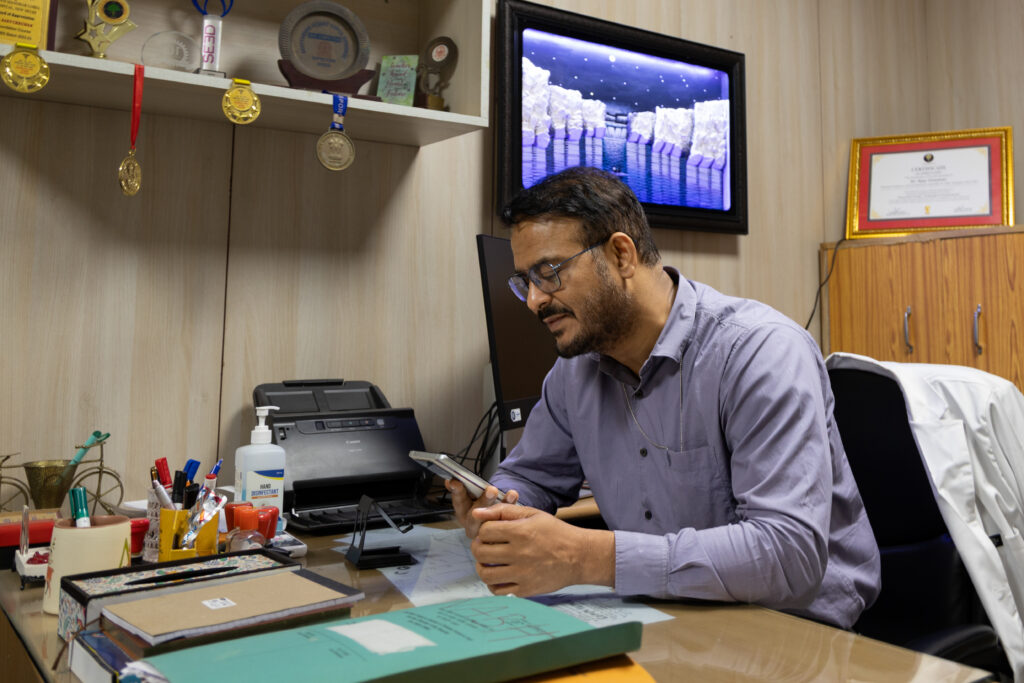
“Mayhem, death and destruction everywhere. In 37 days, we suffered a lot of mortality because of heatstroke cases.”
New research from the India Energy and Climate Center at UC Berkeley shows just how fatal heat waves can be. Just one day of extreme heat in India can result in as many as 3,400 excess deaths nationwide, and nearly 30,000 deaths over the span of five days.
Over the past few years, Chauhan helped train thousands of doctors on how to treat heatstrokes. Most importantly, he said, is quickly immersing the person in water below the neck and fanning them. “The time duration from the heat stroke [setting in] to the initiation of the cooling measure is the single most important factor in preventing mortality,” he added.
He’s seen far fewer heatstroke patients this year, and public health messaging may be one reason why. Chauhan and other public health officials have appeared on the daily news, in press conferences and on social media trying to raise awareness about the dangers of extreme heat.
But experts say the number of people who die from heat stroke in India is actually far higher than the official death toll. Heatstrokes are complicated to diagnose, and not every hospital shares its patient data with the government. Also, official numbers don’t include deaths due to heart or kidney disease. But extreme heat makes those conditions — and others — more lethal.
Chauhan urges those who must work outside to take breaks in the shade and to stay hydrated. “I will keep on beating my drum,” he said. “Prevention is better than a cure.”
Extreme heat and poverty
Of all the risk factors that exacerbate extreme heat, poverty may be the biggest threat. The poor often work outdoors or in poorly ventilated indoor spaces as part of India’s “informal” sector. They frequently work without contracts in challenging jobs such as construction, brick making and road building.
For women, work conditions can be especially challenging. In sectors such as construction, for example, women often do not have access to bathrooms; one study found that, in response, they cut back on fluid intake, which puts their bodies under even greater strain.
Meanwhile, poor women working in the home spend their days in stiflingly hot, cramped quarters as they cook meals for their families. One homemaker, Jamuna, said, “I get very bad headaches because of the heat.”
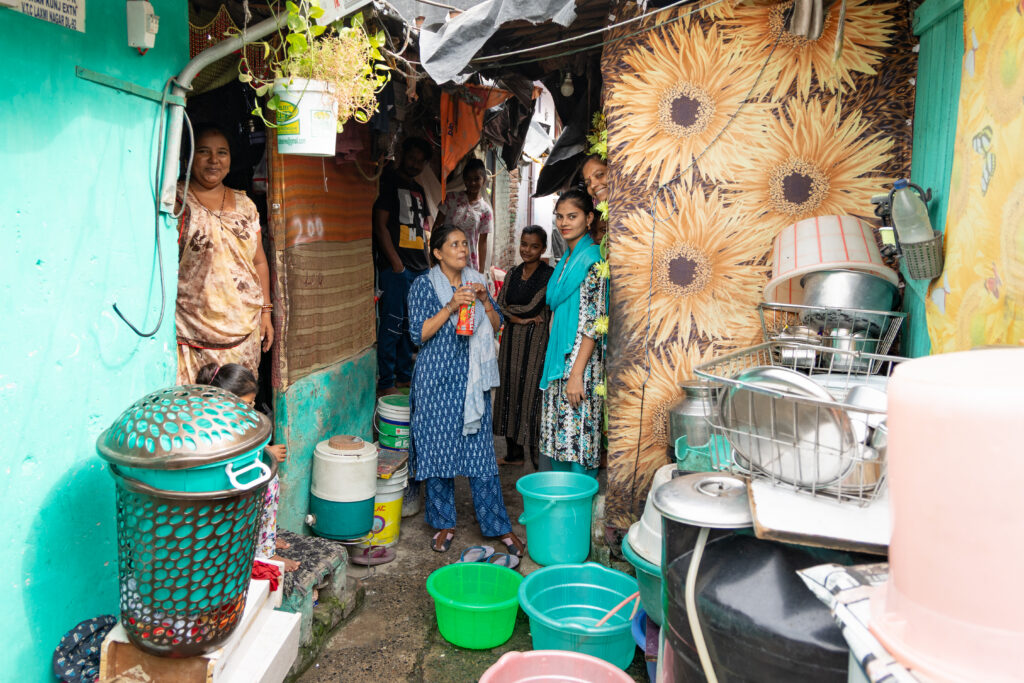
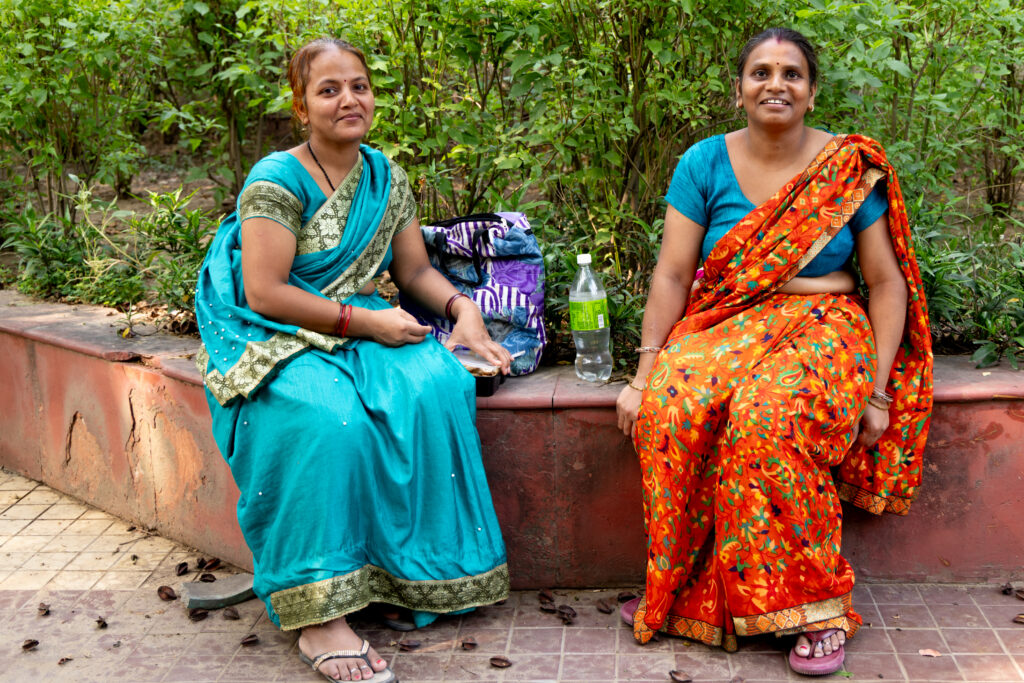
Outside of Dr. Chauhan’s heatstroke unit, she sat with her sister, Sushma, eating a carefully packed lunch. Both sisters said that they struggled with the heat each day and were seeking relief.
“The doctor said that I should take medicine, eat food and get rest,” Jamuna said.
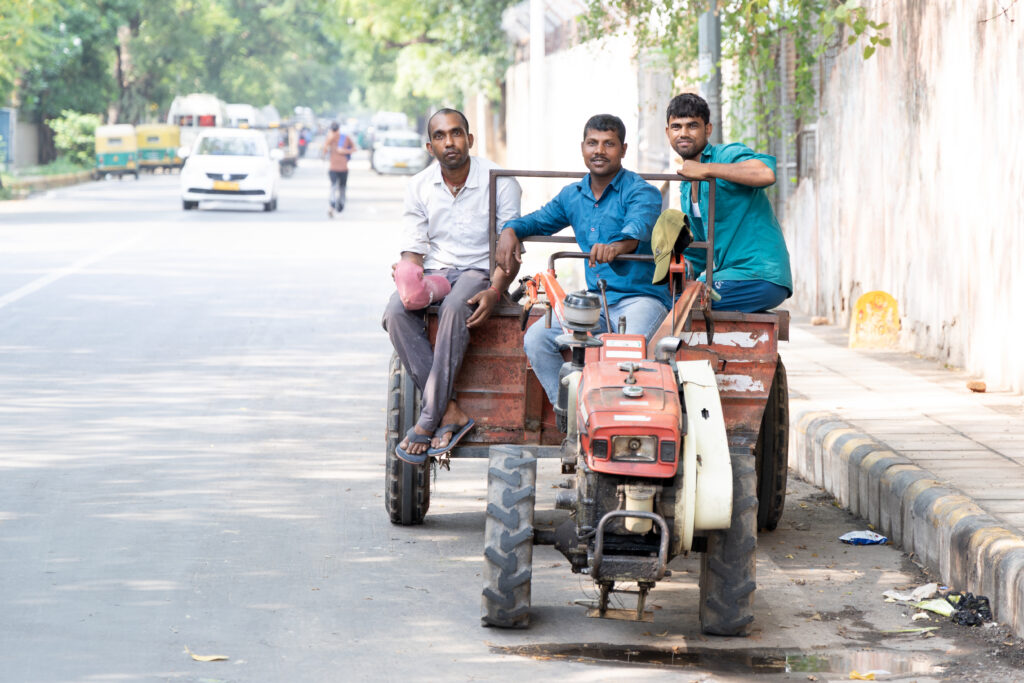
For men, circumstances are not much better. On a quiet road in Delhi, an auto driver named Jitendra Gupta used colorful language to explain how the heat was affecting him.
“My head explodes and I get dizzy. And sweat a lot,” he said. “What to do?”
The heat is not only dangerous to their health, but it also leads to lost income. According to a recent study by The International Institute for Environment and Development, Indians who work outdoors lose more than 13 days of work a year due to heat-related illnesses.
Hot nights are making all of this worse.
Vishwas Chitale, an expert on climate adaptation at the Council on Energy, Environment and Water, said the number of hot nights in parts of India is rising much faster than the number of hot days.
If a person faces multiple days and nights of extreme heat, their body has no chance to recover. “Your body’s absorption capacity of heat is almost at threshold.”
These hot nights, on top of hot days, could be called “invisible killers,” Chitale added.
Looking at the big picture, he believes it’s time for the public and policymakers to seriously engage with the threat of climate change, noting that “57% of districts in India, which host three-fourths of India’s population, are at risk.”
For experts like Chitale, the impact of climate change is no longer a distant threat. It’s happening now.
The post Delhi struggles with deadly impact of severe heat appeared first on The World from PRX.
 BBC News » World
  NDTV - World news
 Melinda Emerson Blog
 Training Express
  TechPlanet
  Healthcare Informatics Magazine