 Anthropology.net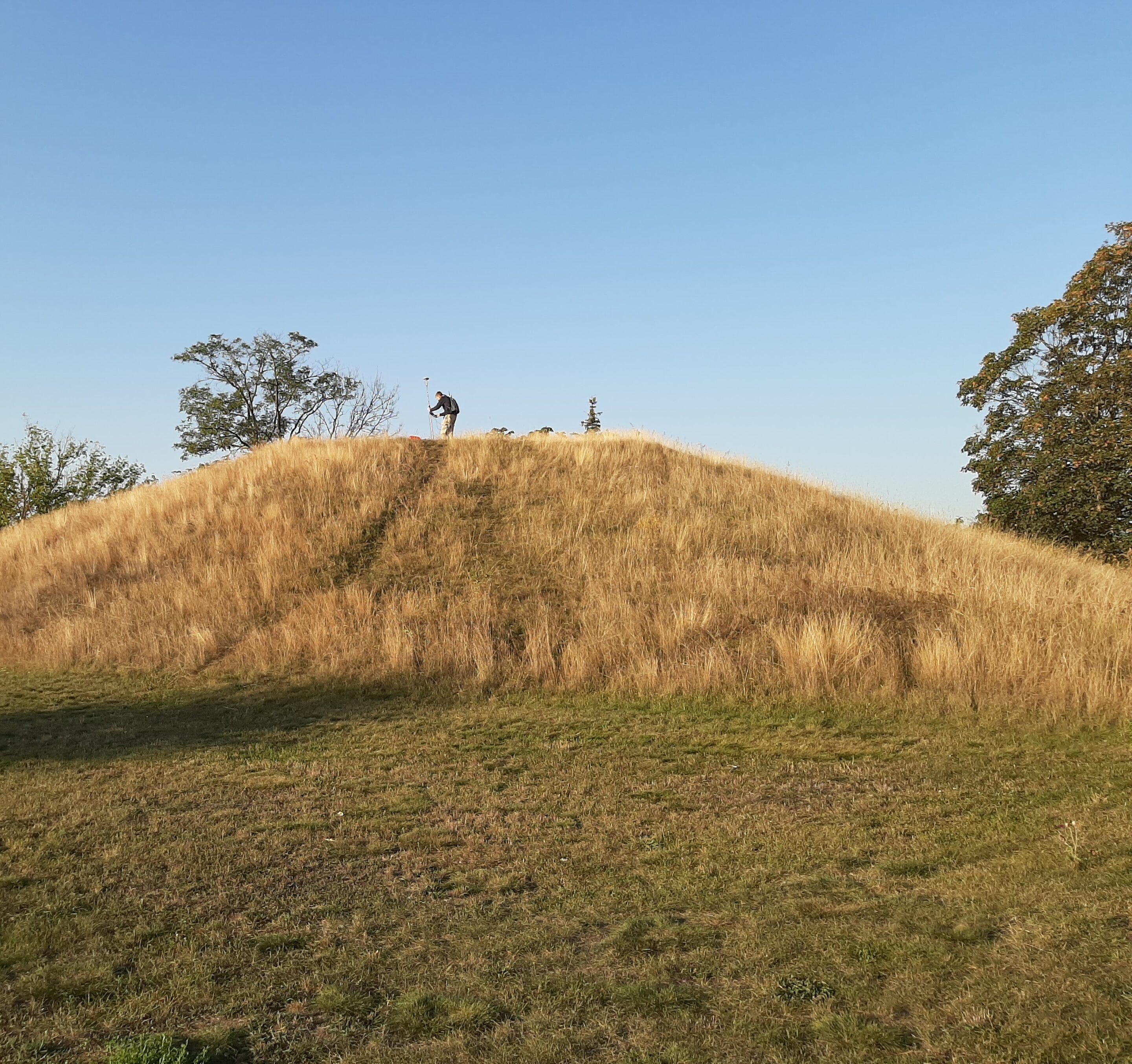
In a recent study published on October 25, 2023, in the open-access journal PLOS ONE1, researchers from Kiel University, Germany, shed light on the intricate relationship between climate change and human populations during the Neolithic and Bronze Ages. The study delves into the rich archaeological tapestry of Central Europe, exploring how shifts in climate influenced the ebb and flow of ancient civilizations.
The archaeological record serves as a gateway to understanding the interplay between human societies and their environments. This study focused on three pivotal regions: the Circumharz area in central Germany, the Czech Republic/Lower Austria region, and the Northern Alpine Foreland in southern Germany. By analyzing over 3,400 published radiocarbon dates from these regions, researchers used these dates as indicators of ancient populations. They correlated this data with climate information derived from cave formations, which offer valuable insights into ancient weather conditions spanning from 3550–1550 BC, a period ranging from the Late Neolithic to the Early Bronze Age.
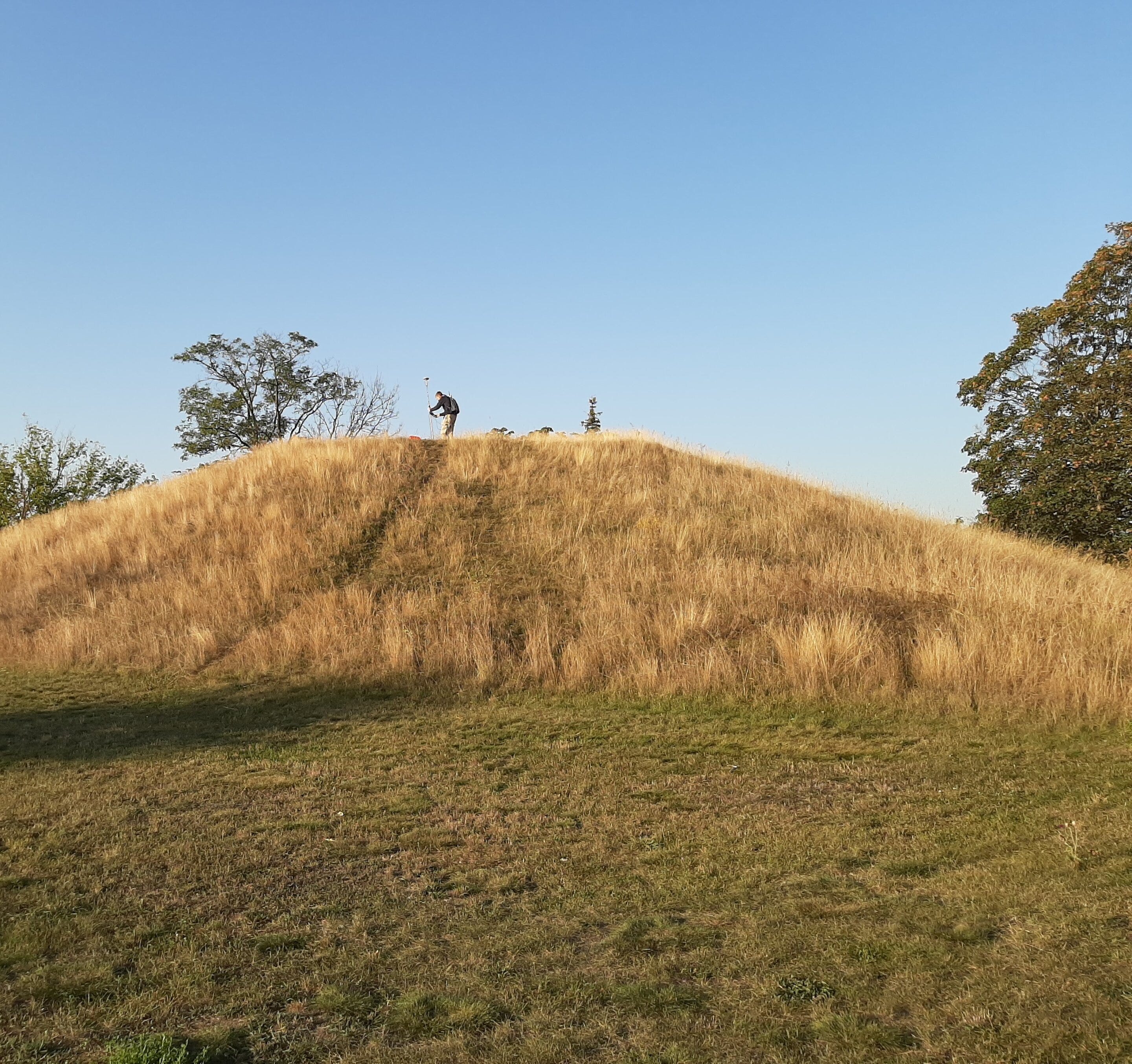
The study uncovered a compelling correlation between climate patterns and human populations. During warmer and wetter periods, populations flourished, likely due to improved agricultural yields and economic stability. Conversely, colder and drier periods saw a decline in populations, sometimes accompanied by significant cultural shifts, potentially indicating rising social disparities. Notably, the Circumharz region witnessed the emergence of prestigious "princely burials" during these colder times, suggesting evolving social hierarchies.
These findings imply that changing climates significantly influenced the trajectory of human societies. While the authors acknowledge the limitations posed by the archaeological record, they emphasize the importance of these results in understanding human-environment dynamics. The study's timeframe, spanning from 5,500 to 3,500 years ago, underlines climate's pivotal role in shaping the regions around the Harz Mountains, the northern Alpine foreland, and what is now the Czech Republic and Austria. Importantly, it was not merely population size that fluctuated but also the very social structures of these ancient communities.
This study illuminates the profound impact of climate change on human civilizations, weaving a narrative of adaptation, growth, and transformation. By peering into the annals of history, scientists gain invaluable insights into the resilience of ancient cultures in the face of environmental challenges. As researchers continue to unearth more data, the story of how changing climates shaped our ancestors’ lives becomes increasingly intricate, reminding us of the deep connections between humanity and the natural world across millennia.
Großmann, R., Weinelt, M., & Müller, J. (2023). Demographic dynamics between 5500 and 3500 calBP (3550–1550 BCE) in selected study regions of Central Europe and the role of regional climate influences. PloS One, 18(10), e0291956. https://doi.org/10.1371/journal.pone.0291956
 Health Care News
  O'Reilly
  Alastair Campbell
 Nabamart
  Travel Zone Greece
  African Farming