Residential Design Blog
 Australian Architects and Architecture Blog by Bleuscape Design
So in what sense do your homes, Anthony become places of passage?
My design is very concerned with happiness and fulfillments. When you're trying to purge clothes from your closet, and you use criteria such as 'Could I wear this ever again in my life?' the answer is constantly going to be yes. But if you employ criteria such as "Do I absolutely love it? Do I wear it often? Does it still look any good?", and if the answer is no, then you should give it away. Now, if that's true of closets, what about the spaces in which we live our lives?
There are places of passage in the sense of going somewhere. i.e. I live in a house where downstairs has a long passage connecting the front entrance to a rear courtyard. That passage brings the house to life, it keeps the family together and apart. Children's games running and hiding, slamming bedroom doors, late night conversations with laughter and tears, putting out the pets, bringing in the washing, going out to the garden.
Then we have this passage to interpretation. Our physical exploration of space is central. The components of passage are not designed together in order to achieve a preordained desire nor to point in a preconceived direction. I approach design so that we can explore and experiment and approach our lives afresh. Intensely afresh. Sensation always precedes the sensible. We come in as one thing. We leave as another. We can move outside ourselves by fixating on the soft line of a timber bench against the curvature of our human form. A space can say I love you. Just like clothes in your closet do.
Can you give us an example?
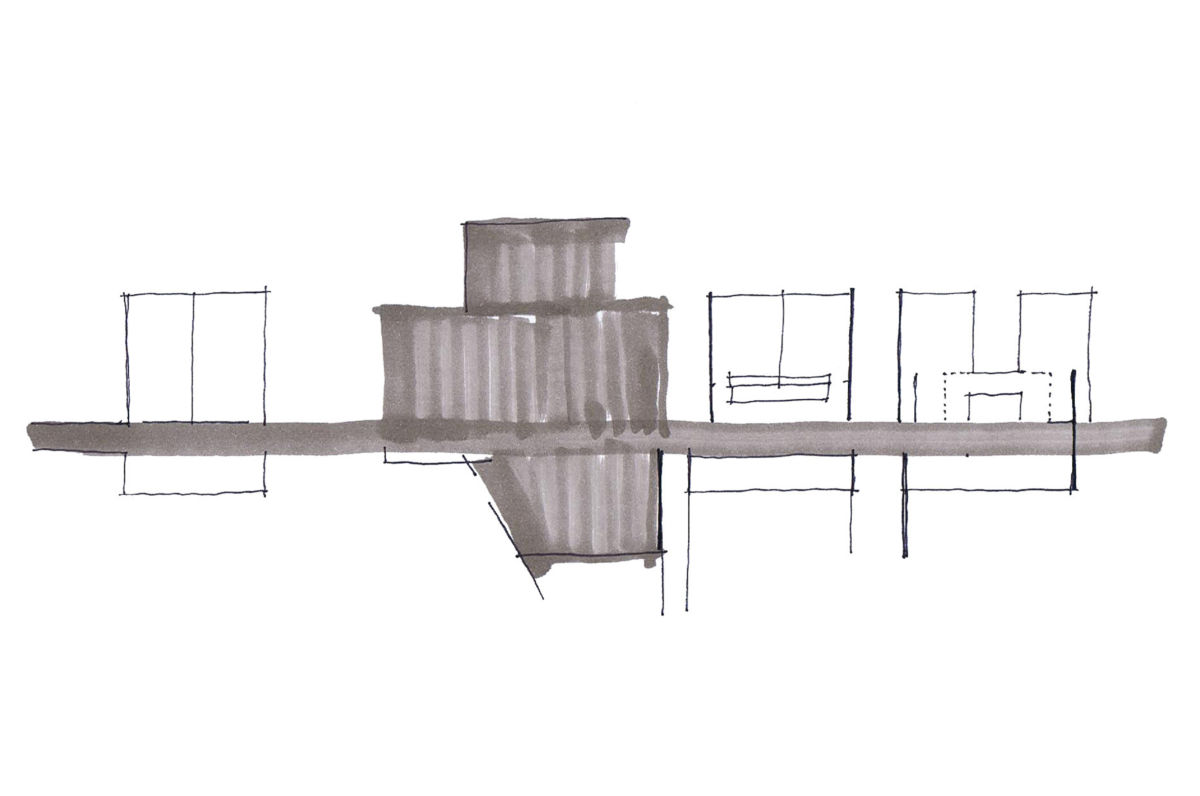
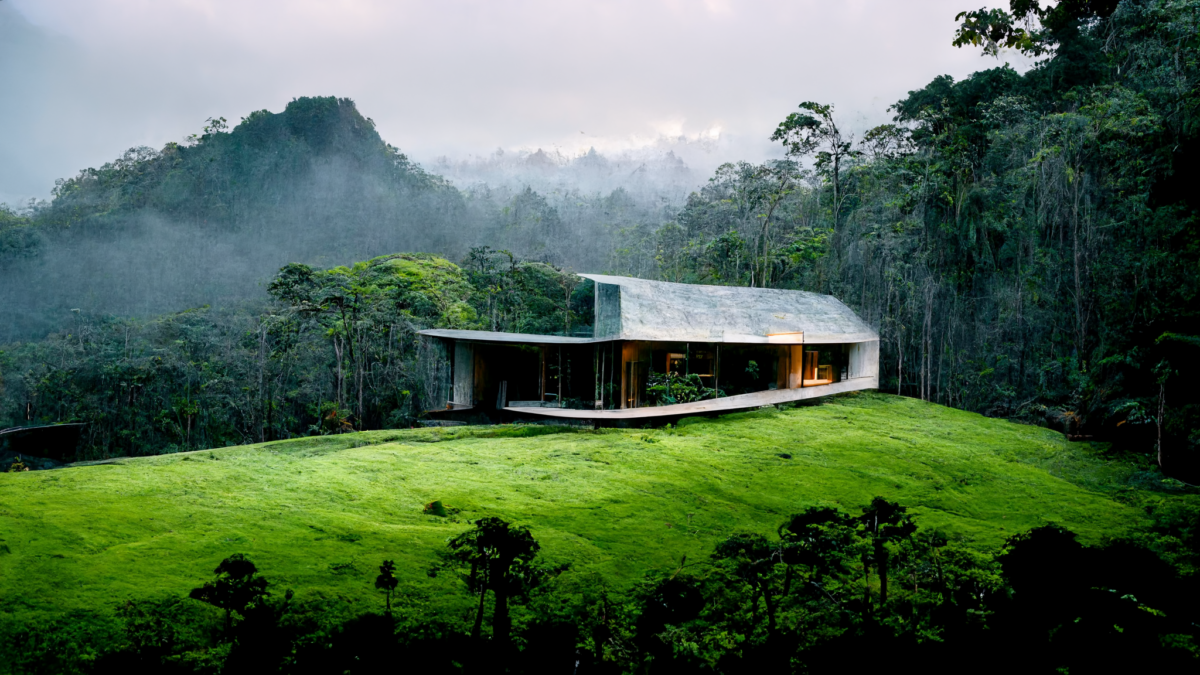
Yes. The T-House by Donovan Hill which is surrounded mostly by National Park. It is tricky how we need the familiar to understand the unfamiliar. The exterior form of the house is entirely dictated to by its interior forms. The T-House operates as a freeing and opening. Much of its freeing and opening is toward the National Park. To the clouds and the sky. It is an architecture of comforts and whispers. Doors which are ajar and windows half open.
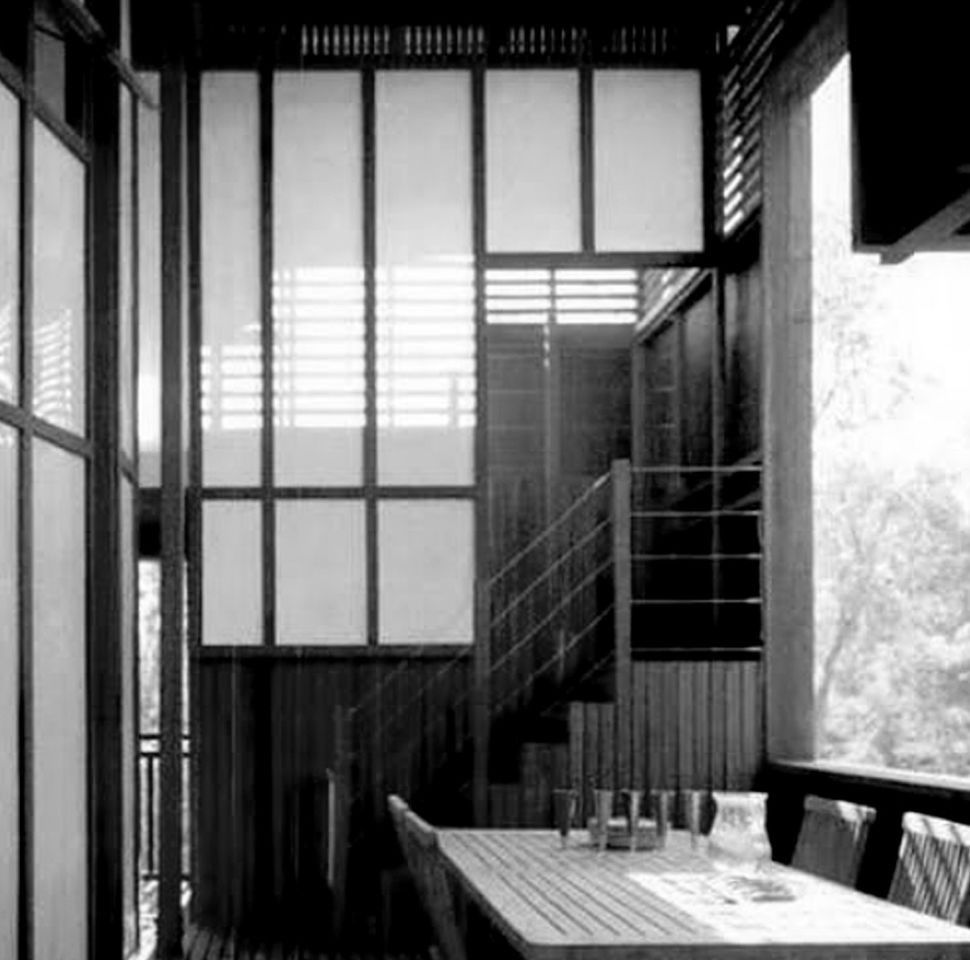
Here is an example of the role that houses, hallways, doors, and rooms can and should play: as objects of passage, beckoning thresholds, closed spaces that are nevertheless exposed to the winds, hallways fanned by doors that open rooms for encounters and yet create gulfs between them, across which voices cannot carry. The T-House strikes you as being familiar, and yet not. It is undeveloped. As Timothy Hill said: "There are no surfaced roads or drainage surfaces. The character is largely part of its underdevelopment." (1) The structure appears utilitarian and yet, like the cranes on the horizon, not currently useful. T-House resembles a disused shipping container. I cannot resist the temptation to make its unfamiliar, familiar. “Something in the world forces us to think” Deleuze writes. (2) He uses Socrates, a temple and a demon as examples. This affecting mixture of industrial organism and house makes you wonder whether you are looking at it or if it is here to observe you. The T House is not a ‘oneliner’ but a composition of singularities, intensities, a rich machinery in which we too are implicated. It is an architecture that generates freeing propositions: "I love you" (or whatever). It gestures to a future. It reverberates, it lingers; and continues to pass through us as we pass through it.
(1) S. Crafti, A Pocketful of Beach Houses. Images Publishing, Mulgrave, Victoria, 2009.
(2) Jacques Derrida, The Gift of Death and Literature in Secret, (Chicago and London: The University of Chicago Press, 1995). Translation of Donner la mort in L’e?thique du don, Jacques Derrida et la pense?e du don, (Paris: Me?tailie? Transition, 1992), by David Wills.
 Issues, Etc.
  France 24
  NYC Forever Podcast
  Small Wars Journal Blog
  Landscape Design In A Day