INTERVIEW: Wild Style! Inside Japan’s Heisei Retro Trend with Bisuko Ezaki!
The Menherachan artist talks about his favorite fashion, characters, music and more from the 1990s-2000s

Full Interview at TokyoScope Blog!
Bisuko Ezaki is a Japanese artist best known for his original manga creation known as “Menherachan”, who reached a global audience in 2018 via a Refinery29 YouTube video called “The Dark Side of Harajuku Style You Haven’t Seen Yet”.
Since then, Bisuko has dived headfirst into the growing “Heisei Retro trend” in Japan, and has been looking back for inspiration at the colorful styles and extreme youth cultures active in Tokyo from the 1990s to the 2000s (i.e., Japan’s Heisei Era).
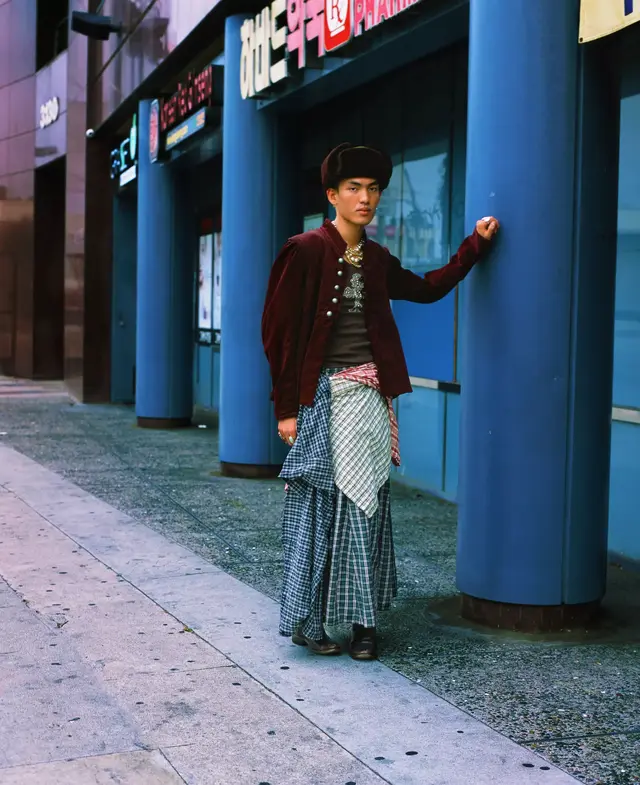
In addition to cosplaying as a Heisei-era Gyaru-o (male gyaru), Bisuko has started chronicling his retro obsessions and activities on Twitter.
It seemed like a good time to check in and ask him about what Japanese youth culture was like then, and the challenges it faces now.

TokyoScope: I noticed recently that you’ve been posting a lot of images from Japan in the 1990s and during Heisei era on your Instagram and Twitter accounts recently, such as retro fashion, pages from old magazines, and even yourself in cosplay. Can you explain your current interest in this time period?
Bisuko Ezaki: In Japan, when the era changed from the Heisei era (1989 – 2019) to the Reiwa era (2019 – present), the term “Heisei Retro” emerged as a new concept. At the end of the Heisei era, there was a renewed focus on Japanese trends and culture from the 1990s to the 2000s, which helped create a new nostalgic trend. Now, with the Y2K boom, this older era continues to capture people’s attention.
Recently, there have been many events such as revivals of old manga and anime, the release of new merchandise for classic characters, and café events. This has led many people in their late 20s and 30s, including myself, to once again indulge in the things we loved when we were teenagers.
Of course, I enjoy these things simply because they are nostalgic. But you could also say, ‘we haven’t changed at all since the Heisei era.’

How do you think Shibuya and Harajuku have changed for young people since the Heisei era? What is your impression of these places now?
I don’t think Harajuku and Shibuya are as influential now as they used to be. This is because each town has lost its “unique character” that existed in the Heisei era. Now every town is no different from the others.
There are no iconic figures representing these neighborhoods, so I believe that nurturing such individuals is the current challenge.