
Morton’s neuroma is a common cause of forefoot pain that occurs when one of the nerves running between the long bones of the foot becomes irritated or thickened. It most often affects the nerve between the third and fourth toes and can cause sharp, burning pain in the ball of the foot, often The post Understanding Morton’s Neuroma: Causes, Symptoms, and Treatment Options appeared first on Southwest Foot and Ankle Centre.
Morton’s neuroma is a common cause of forefoot pain that occurs when one of the nerves running between the long bones of the foot becomes irritated or thickened. It most often affects the nerve between the third and fourth toes and can cause sharp, burning pain in the ball of the foot, often radiating into the toes. Some people describe the sensation as feeling like they are “standing on a pebble” or that their sock is bunched up under the front of the foot.
Key Takeaways:
Morton’s neuroma is a common source of pain in the front of the foot – the forefoot. It results from the irritation or thickening of a nerve, most often between the third and fourth toes. Symptoms include sharp, burning pain, tingling or numbness.
Treatment can include:
- Conservative care, like custom orthotics
- Footwear modification
- Corticosteroid injections
- Surgery – neurectomy
What Causes Morton’s Neuroma?
This painful condition is often related to repetitive pressure or compression of the forefoot.
Contributing factors may include:
• Tight or narrow footwear, especially high heels
• Foot deformities like bunions, flat feet, or high arches
• High-impact activities like running or court sports
• Prolonged standing or occupational strain on the feet
Recognising the Symptoms
Foot pain can indicate a range of different conditions, so it’s important to get checked out by a podiatrist for a diagnosis. Typical symptoms of Morton’s neuroma can include:
• Pain or burning in the ball of the foot
• Tingling or numbness in the toes
• A feeling of walking on a lump or stone
• Pain that worsens with activity or tight footwear and eases when the shoes are removed
Common Issues Morton’s Neuroma is Mistaken For
Like with many podiatric problems, Morton’s neuroma can often be mistaken for other conditions.
The most common conditions that Morton’s neuroma is mistaken for are synovitis of the metatarsophalangeal joint, bursitis and stress fracture. Intermetatarsal bursitis causes inflammation of the fluid-filled sac that can press on the nerve, and synovitis is inflammation of the joint of the ball of the foot.
These conditions present similar or overlapping symptoms to Morton’s neuroma and present themselves in the ball of the foot. This is why we always encourage you to visit a professional to ensure you have the correct diagnosis and treatment plan.
Treatment Options at South West Foot & Ankle Centre
At South West Foot & Ankle, we offer a range of evidence-based treatments tailored to each patient’s condition and lifestyle.
Conservative treatments for Morton’s neuroma may include:
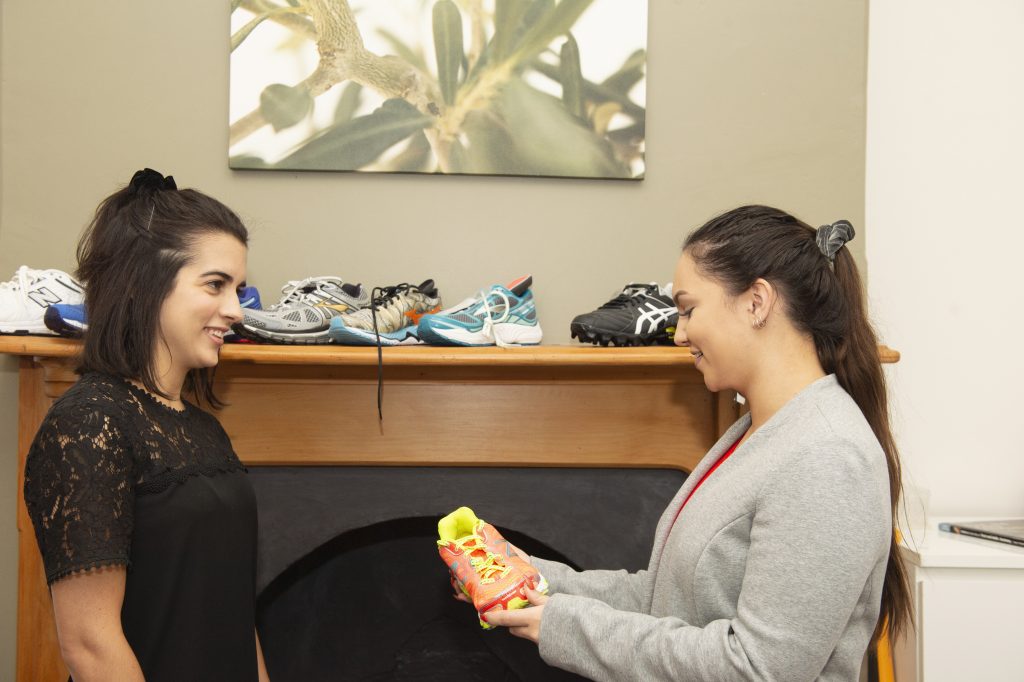
• Footwear modification – choosing wider, cushioned shoes to reduce pressure
• Custom orthotics – designed to offload the affected nerve and improve foot mechanics
• Activity modification and physical therapy – to address contributing factors and restore comfort
• Corticosteroid and local anaesthetic injections – to reduce inflammation and pain
When symptoms persist despite conservative care, Morton’s neuroma surgical treatment can provide long-term relief. Neurectomy (removal of the thickened nerve segment) and decompression procedures to release surrounding tissue can be performed by an appropriately qualified specialist who will discuss the risks and expected recovery time.
Take the Next Step
If you’re experiencing persistent pain in the ball of your foot, our experienced team at Southwest Foot & Ankle can help identify the cause and guide you through the most effective treatment options. Book an appointment today to get back to comfortable, pain-free movement.
The post Understanding Morton’s Neuroma: Causes, Symptoms, and Treatment Options appeared first on Southwest Foot and Ankle Centre.