 Pernille Ripp
I have 43 school days left and I can already feel it. That quiet guilt that starts sneaking in sometime around May. The one that whispers I did not do enough this year. That the readers in my care will walk out that door in June and the reading lives we built together will quietly unravel over the summer and somehow that will be on me.
I have been a teacher long enough to know that feeling well. And I have also been a teacher long enough to know that some of it is a lie.
The summer reading slide is real and the research is probably the reason why many of us carry this guilt. The largest national study in the US found that 52% of first through sixth graders experience summer learning slide, losing an average of 39% of their school-year reading gains over a single summer (Brighterly, 2025). Students in grades 3 to 5 lose roughly 20% of what they gained during the year, and younger readers are most at risk because decoding and word reading skills are particularly susceptible to decay without frequent practice (Scholastic). In Denmark, Hans Henrik Knoop at Aarhus University puts it plainly: seven weeks is a very long time, and what happens neurologically when you stop practicing is that you forget. The brain deteriorates when you do not use it. Danish research confirms that the gap between strong and developing readers widens over summer specifically because strong readers keep reading while others do not (Folkeskolen.dk).
That is the slide. And here is the part we need to sit with: the research is equally clear about what drives it. What happens inside a child’s home matters enormously. Whether the adults in their home prioritize reading, whether they have quiet and time and someone who models what it looks like to reach for a book, those things shape a summer in ways we simply cannot reach from our classrooms. The socioeconomic realities of our students’ summers are real. Some of our kids are working. Some are caring for siblings. Some are navigating things we will never fully see or understand. And some simply don’t like reading.
That guilt we carry in August? A lot of it belongs to circumstances that were never in our power to change. We forget sometimes how limited our reach really is once that door closes in June. And naming that is not giving up. It is being honest about where our energy actually belongs, so we can stop spending it on guilt that was never ours to carry in the first place.
Because here is the thing. There are a few things still within our reach. Not all. But a few, and they matter.
Start with curiosity, not books. Before the last week of school, ask the readers in your care what they are actually curious about right now. Not what they want to read. What they are curious about. Dinosaurs, true crime, how engines work, why people get sick. Whatever it is, that curiosity is the thread to pull. Point them somewhere. A book, a magazine, a rabbit hole online. Curiosity is the door — we just help them see it is already open.
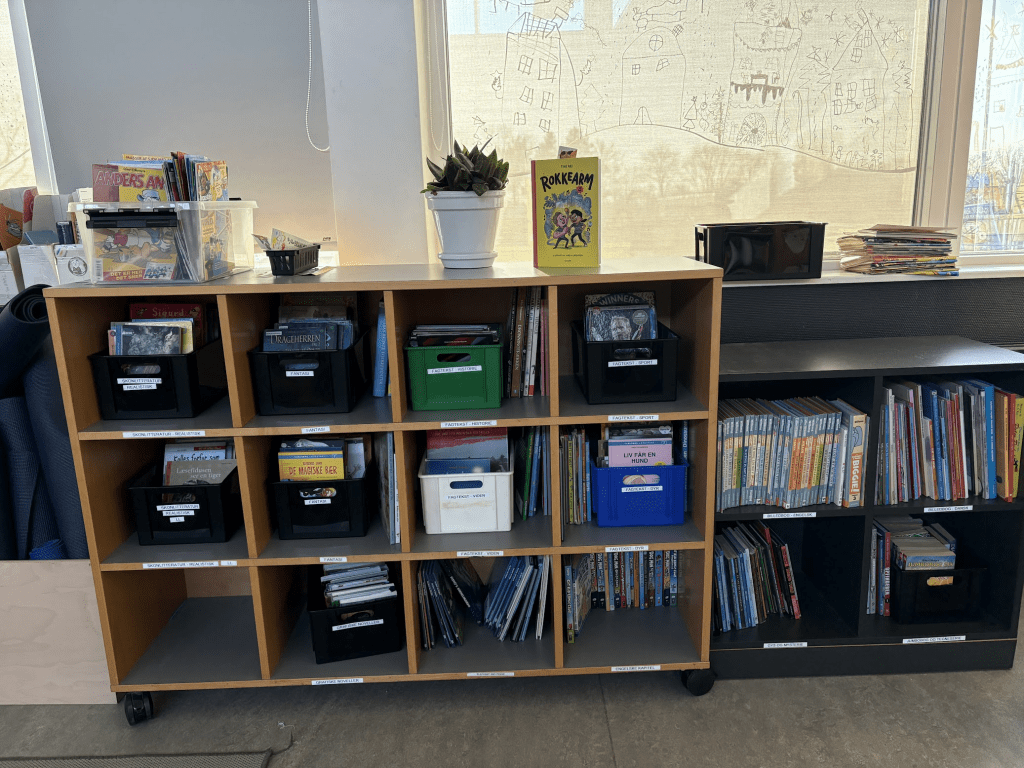
Get the actual book into their hand before they leave. Not a list. The physical book, checked out, going home with them. A list is an intention. A book already in their bag is a reality, especially on a Tuesday in July when boredom hits and there is nothing else to reach for. Talk to your librarian now, before the last week. Have books ready. Make the handoff personal because it is.
Write them a note. One sentence, specific to that child. Something that says you saw them this year, that you know something real about who they are as a reader. Kids keep those notes longer than you would expect.
Give them a short survey about people, not books. Ask them who in their life actually reads. Is there a teenager they look up to, a young adult, someone among the adults in their home who might talk books with them over the summer? Most readers have never been asked to think about this. The survey itself is the intervention. Help them name someone before they leave. That name matters more than any list we send home.
Lower the bar out loud, directly to them. Not always “read every dayâ€. But “just keep tryingâ€. Pick something up, put it down, try something else. The goal is a brain that keeps reaching for words all summer, even imperfectly. Tell them explicitly what counts to expand their preconceived notions. Graphic novels, audiobooks paired with the text, nonfiction articles even short ones online, digital reading, news sites written for kids, Wikipedia rabbit holes, chapter books on an ereader. All of it counts. Say it clearly.
And finally, give them a reading dare. Not a class challenge, one dare, one kid. Something specific and slightly ridiculous. A dare that is personal enough that they know you actually thought about them when you wrote it. Readers in our care need permission sometimes to approach reading as something that could actually be fun rather than something they are supposed to do.
We have worked all year to invite the readers in our care into reading, to support their reading lives, to help them see themselves as readers. We cannot control the summer. But we can make sure they leave knowing we believed they were a reader.
That belief is not nothing. Sometimes it is the only thing that carries them through to August. And that is worth holding onto, even when the guilt tries to tell us otherwise.
 Kitces
 Monevator
  Japan Today - Food
 Ask a Tech Teacher
  Editorialge
  The Educators Room