
 Edu-Power
 Teaching is more than delivering information—it is the art and science of inspiring students to learn, think critically, and reach their full potential. Great teaching creates an environment where curiosity flourishes, confidence grows, and academic achievement becomes attainable for every learner.
Today’s classrooms are more diverse than ever. Students bring different backgrounds, learning styles, abilities, and interests into every lesson. Because of this diversity, educators must continually refine their approach to teaching by using methods that promote meaningful learning and maximize student engagement. Whether you are a new teacher or an experienced educator, applying the best teaching strategies can dramatically improve classroom outcomes.
Why Teaching Matters More Than Ever
Effective teaching shapes the future by preparing students with the knowledge, skills, and character needed for lifelong success. A skilled teacher does much more than explain concepts—they motivate students, foster critical thinking, and create a positive classroom culture.
Quality teaching helps students:
- Develop confidence in their abilities.
- Build strong problem-solving skills.
- Improve communication and collaboration.
- Become independent learners.
- Develop a lifelong love of learning.
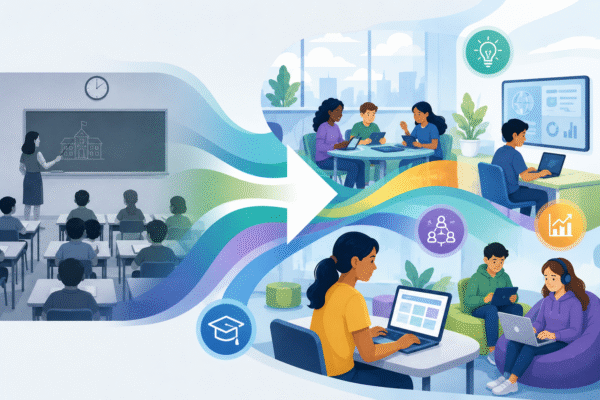
Students are far more likely to succeed when they are actively involved in the learning process rather than simply listening to lectures.

The Importance of Student Engagement
One of the strongest indicators of academic success is student engagement. Engaged students participate, ask thoughtful questions, complete assignments, and retain information more effectively.
Student engagement can be strengthened through:
- Interactive classroom discussions
- Cooperative learning activities
- Hands-on projects
- Technology-enhanced instruction
- Real-world problem solving
- Frequent formative assessments
When students feel connected to both the lesson and their teacher, learning becomes meaningful instead of routine.
Best Teaching Strategies That Improve Learning
The best teaching strategies focus on active participation rather than passive instruction. Consider incorporating these proven approaches into your classroom.
- Set Clear Learning Objectives
Students perform better when they understand exactly what they are expected to learn. Begin every lesson by sharing specific learning goals and explaining why the material matters.
Clear objectives help students stay focused and provide a roadmap for both instruction and assessment.
- Encourage Active Learning
Learning is most effective when students are actively involved.
Active learning may include:
- Group discussions
- Classroom debates
- Think-Pair-Share activities
- Case studies
- Simulations
- Educational games
- Project-based learning
These methods increase participation while improving comprehension and retention.
- Differentiate Instruction
Every classroom includes students with varying strengths and learning needs.
Differentiated teaching allows educators to adjust instruction through:
- Flexible grouping
- Multiple teaching methods
- Varied assignments
- Visual, auditory, and kinesthetic activities
- Individual support
This approach ensures that every student has an opportunity to succeed.
Building Positive Teacher-Student Relationships
Strong relationships are the foundation of effective teaching. Students learn best when they trust their teacher and feel respected.
Teachers can build positive relationships by:
- Learning students’ names quickly.
- Listening carefully to student concerns.
- Encouraging questions.
- Celebrating improvement.
- Providing constructive feedback.
- Maintaining consistent expectations.
A supportive classroom environment increases motivation and encourages greater participation.
Classroom Management Supports Effective Teaching
Excellent classroom management creates the structure necessary for learning.
Successful teachers establish routines that minimize distractions and maximize instructional time.
Effective classroom management includes:
- Clearly defined classroom expectations
- Consistent procedures
- Positive reinforcement
- Respectful communication
- Prompt intervention when disruptions occur
- Well-planned transitions between activities
When classrooms operate smoothly, teachers spend more time teaching and students spend more time learning.
Using Technology to Enhance Teaching
Technology has become an essential tool for modern education.
Digital resources can increase student engagement through:
- Interactive presentations
- Learning management systems
- Educational videos
- Online quizzes
- Virtual collaboration
- Digital simulations
Technology should enhance instruction—not replace quality teaching. The most effective educators combine digital tools with sound instructional practices to create engaging learning experiences.
Assessing Student Learning
Assessment is an important part of effective teaching because it provides valuable information about student progress.
Useful assessment methods include:
- Exit tickets
- Classroom observations
- Short quizzes
- Student presentations
- Group projects
- Reflection journals
- Peer assessments
Frequent formative assessments allow teachers to adjust instruction before small learning gaps become larger problems.
Continuous Professional Growth
Outstanding teachers never stop learning.
Professional development helps educators stay current with research, instructional methods, and classroom innovations.
Teachers can continue growing by:
- Attending workshops
- Reading educational research
- Collaborating with colleagues
- Participating in professional learning communities
- Reflecting on classroom experiences
- Experimenting with new instructional strategies
Continuous improvement ultimately benefits every student who enters the classroom.
For additional articles, practical teaching resources, and professional insights, visit Edupowertoday.com to explore more strategies that support effective instruction. You can also browse related classroom management and instructional resources throughout Edupowertoday.com to strengthen your teaching practice.
Conclusion
Exceptional teaching transforms lives. By focusing on student engagement, implementing the best teaching strategies, building positive relationships, and continuously improving instructional practices, educators create classrooms where every student has the opportunity to thrive.
Great teachers inspire curiosity, encourage perseverance, and prepare students not only for academic success but also for lifelong learning. Every lesson is an opportunity to make a lasting impact.
Call to Action
Are you ready to elevate your teaching practice? Explore poweredutoday.com for expert articles, practical classroom strategies, innovative lesson ideas, and professional resources designed to help educators maximize student success and create engaging learning experiences every day.
Â
Â
The post Teaching Students: Best Teaching Strategies to Increase Student Engagement appeared first on Edu-Power-Today.
 eSchool News
 Language Magazine
  Steve Hargadon Blog
  World Of Medical Saviours


