
Toy Story returns to the big screen with its fifth entry. There’s been two clear and definite closures to this franchise to date, so one has to wonder if Toy Story 5 can justify its own existence and tell a new and compelling story, without undoing what has come before it. Let’s find out if they succeeded or stumbled in that endeavour. What’s most apparent, …
Toy Story returns to the big screen with its fifth entry. There’s been two clear and definite closures to this franchise to date, so one has to wonder if Toy Story 5 can justify its own existence and tell a new and compelling story, without undoing what has come before it. Let’s find out if they succeeded or stumbled in that endeavour.
What’s most apparent, and different about Toy Story 5 relative to the rest of the films in the franchise, is that this is very much not a story that depends on either Woody or Buzz. Those two characters have been around from the inception, but there’s not too much left to explore with them, especially Woody. So the baton instead gets passed to Jessie, stepping into the lead role for the first time in the franchise’s history. I thought it may have been weird, sidelining our dynamic duo, but the transition to Jessie makes a lot of sense both thematically and narratively.
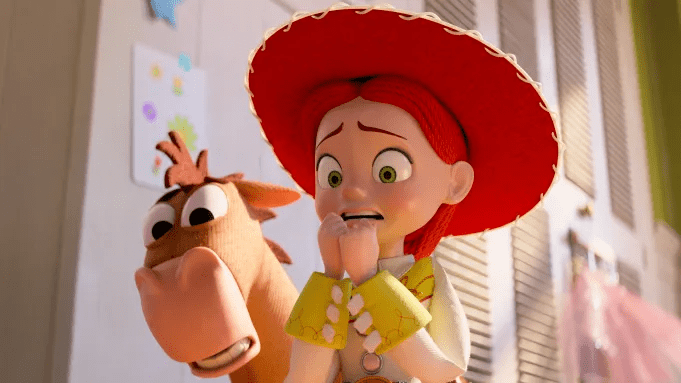
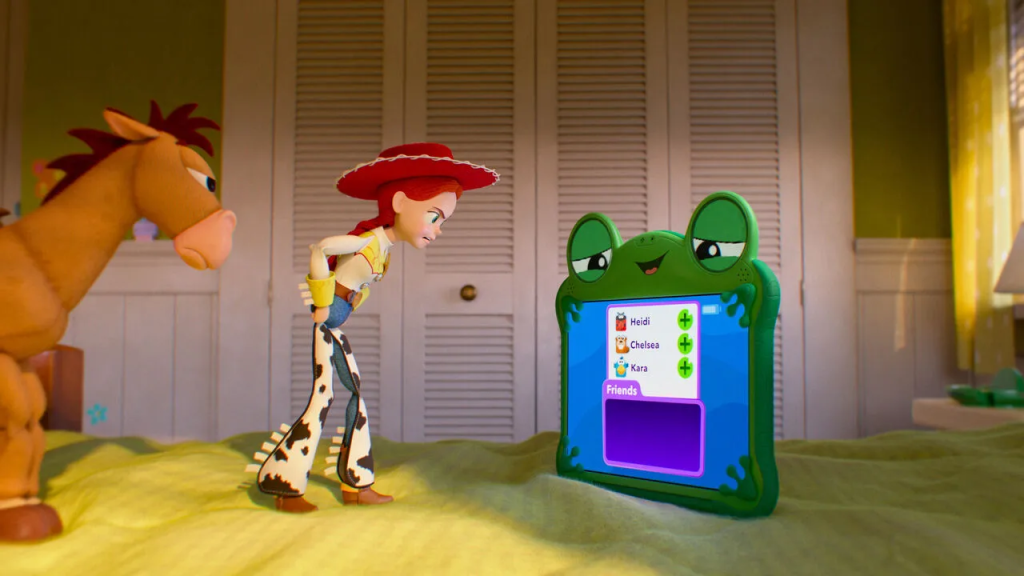
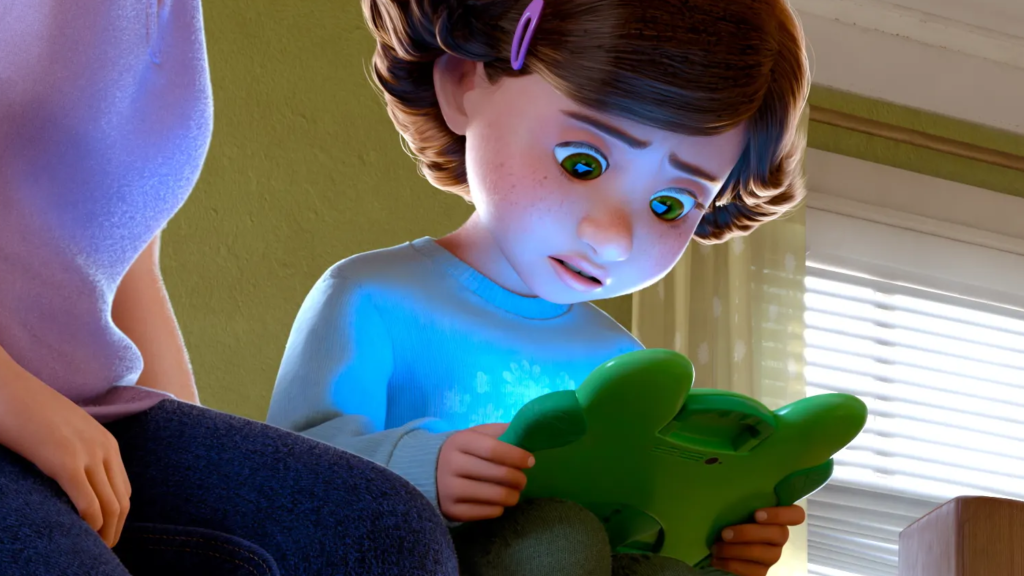
The toys’ child, Bonnie, is still an inquisitive and imaginative youth who plays with toys, but really struggles to make friends. This problem is compounded by the fact that every child has transitioned from toys to the world of tech and online play. Friends are digital entities, and screen time is engagement. As one abandoned toy laments, “the age of the toy is over”. In an attempt to get Bonnie to open up and “be part of the pack”, her parents get her a Lilypad, a device that has games and online social aspects integrated into the plot. Before you can say “playtime”, Bonnie is hooked, and the toys find themselves replaced. Having already been discarded once before with Emily back in the flashback of Toy Story 2, Jessie knows all too well the feeling of abandonment at the hands of a child and can’t bear to go through that trauma again. So she embarks on a quest to try and save Bonnie from the screen and recapture her imagination and whimsy, but of course, said plan goes wrong, and Jessie and Bullseye find themselves separated and alone in the most unlikely of places for them.
So, as you can see, the story in Toy Story 5 is not very subtle. It has a very clear message with little to no room for misinterpretation. There may be some useful applications for tech, but nothing is as rewarding or important as imagination and person-to-person socializing. As a millennial, this message is clear as day and one I can honestly get behind. My generation has seen the transition from analog to digital and has seen all the stories associated with that, and the reduction of the toy section in big box stores. I do wonder how the message will play out with the many kids who were in attendance at the screening, who are growing up in a more tech/screen-dominated world. Will they feel inspired, or will they feel that the movie is condescending and critical of their worldview? I would be curious to know, but with this angle of children losing their imagination to screen time, I do feel the movie justifies it’s extistence and that by making Jessie the emotional lead, it sticks the core theme and story. I think the film does a better job at exploring the sense of intimidation of making friends and how cruel other children can be than it does at exploring the concept of screen dependence.
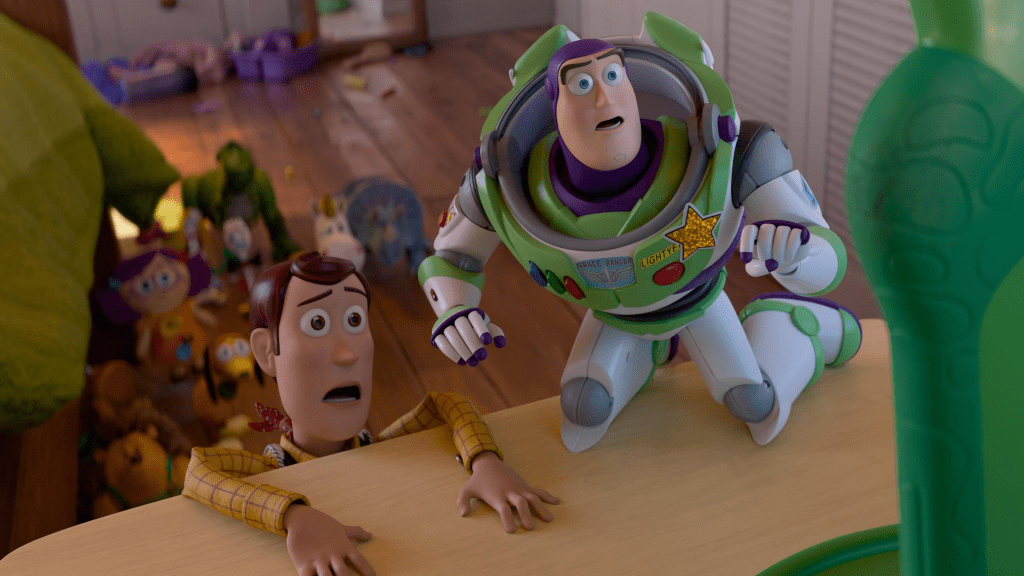
I do think the inclusion of Woody was a bit random, as if the filmmakers felt it would’ve been impossible to make this movie without him. He left Bonnie and his friends behind at the end of Toy Story 4 to be with Bo and find his own happiness, so his arc felt very much concluded. He’s here to act as an aid, but he doesn’t have much else to do, really. He has no arc, and it feels like he was there by mandate. But I think, as Andy and Bonnie have done, we’ve said goodbye to Woody, and we would’ve been okay without him, as bitter as that pill is to swallow. Buzz at least does have a bit more to do, as he grapples with his own feelings throughout the film, but that’s very much the B plot of the film. There’s a C plot as well that features dozens of stranded Hi-Tech Buzz Lightyears that I was wondering where it would ultimately go, as it felt like it was padding the running time, and by the end, while it did come together with the main thread, I still feel it was padding the runtime. Also, there’s no Pixar short in front of the film, and that feels wrong.
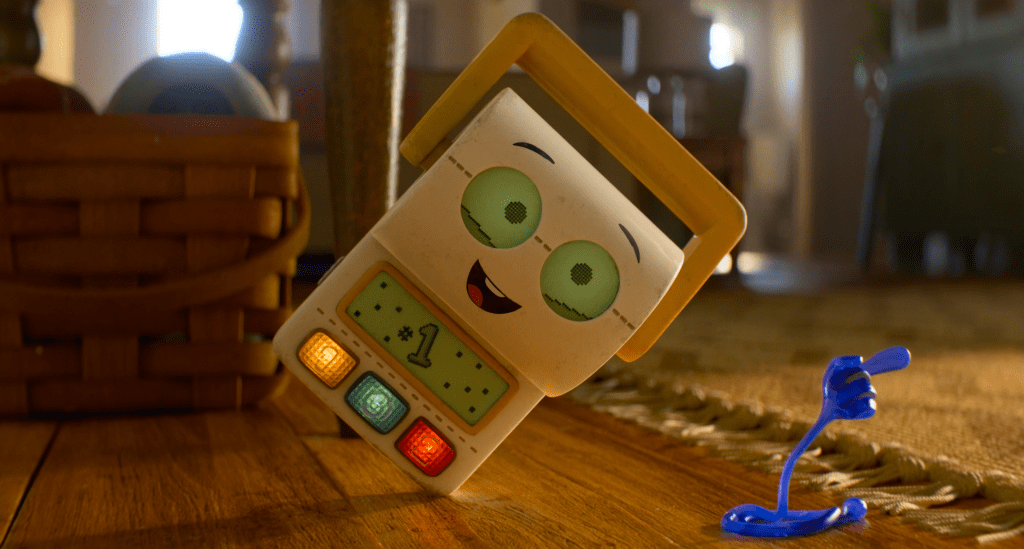
Jessie spends most of the movie separated from the usual toys (who are basically background characters in this movie) to interact and ultimately befriend new toys, including a GPS hippo, a toy camera, and Smarty Pants, a potty trainer toy voiced by none other than Conan O’Brien. The writers clearly wrote Smart Pants with Conan in mind, and he ended up being one of the best parts of the movie, really leaning into the toilet humour while making sure there was plenty of heart and compassion with the character.
So overall, I did have a pretty good time with Toy Story 5. I think it’s a bit cluttered and doesn’t know what to do with all its moving parts, but it has a solid message at its core about isolation within this digital age and the loss of imagination. The question as to whether this movie is more for parents or kids, though, remains to be seen, and I’d be very curious to see a dialogue on that topic.