Punk began as a sound with a DIY essence that created, fostered, and was a cultural revolution. No doubt there are varying opinions on where, when, and how Punk was created, but in the mid-1970s, it erupted like a volcano and made the music world take notice. Punk shifted the tectonic plates of the established […] The post Punk and the Rise of Independent Record Labels appeared first on Days of Punk.
Punk began as a sound with a DIY essence that created, fostered, and was a cultural revolution. No doubt there are varying opinions on where, when, and how Punk was created, but in the mid-1970s, it erupted like a volcano and made the music world take notice. Punk shifted the tectonic plates of the established industry and caused earthquakes and tidal waves in the way the music business was done.
From the rebirth of clubs, retail, and industrial spaces in the decaying inner cities of Boston, New York, London, Los Angeles, and among the manicured lawns of middle-class suburbia, the DIY ethos of Punk changed the ecosystem of the way music traveled from artist to listener. Punk was a revolution that spat in the eye of corporate-controlled, overproduced bottom-line music. Punkgave rise to the independent record label.
The Evolution of Punk Nurtured by Independent Record Labels
The mid-1970s surge of Punk music hit the record industry wall. The major corporate record labels did not understand Punk until late in the game when its dominance was putting a dent in traditional record sales. Punk was the rebirth of the purity of rock, a music of cultural and societal revolution. Punk was different than the emergence of Rock ‘n Roll, Acid Rock, Metal, heavy metal, and every genre that waited for record companies to catch up to the shift in the sands of time.
Punk as a music, sound, culture, and lifestyle of defiance gave birth to a wave of independent record labels. The independent record label went hand in hand with how Punk music was discovered by fans. Zines, flyers, and self-promoted live shows were a staple of the Punk scene.
Local pressing on refurbished duplicating equipment within the community started the ripples. Growth happened slowly and expansively through word of mouth and the communities of Punks throughout the world.
Clubs, Scenes, and Independent Punk Record Labels
In New York, the mid-1970s Punk Community gravitated to CBGB, where bands shaping the Punk scenes into a larger footprint included the Ramones, Television, Richard Hell and the Voidoids. The Punk club scenes were not on the radar of corporate record companies and promoters. Local influencers of the day knew that the club scenes were vital and sought to capture them in recordings.
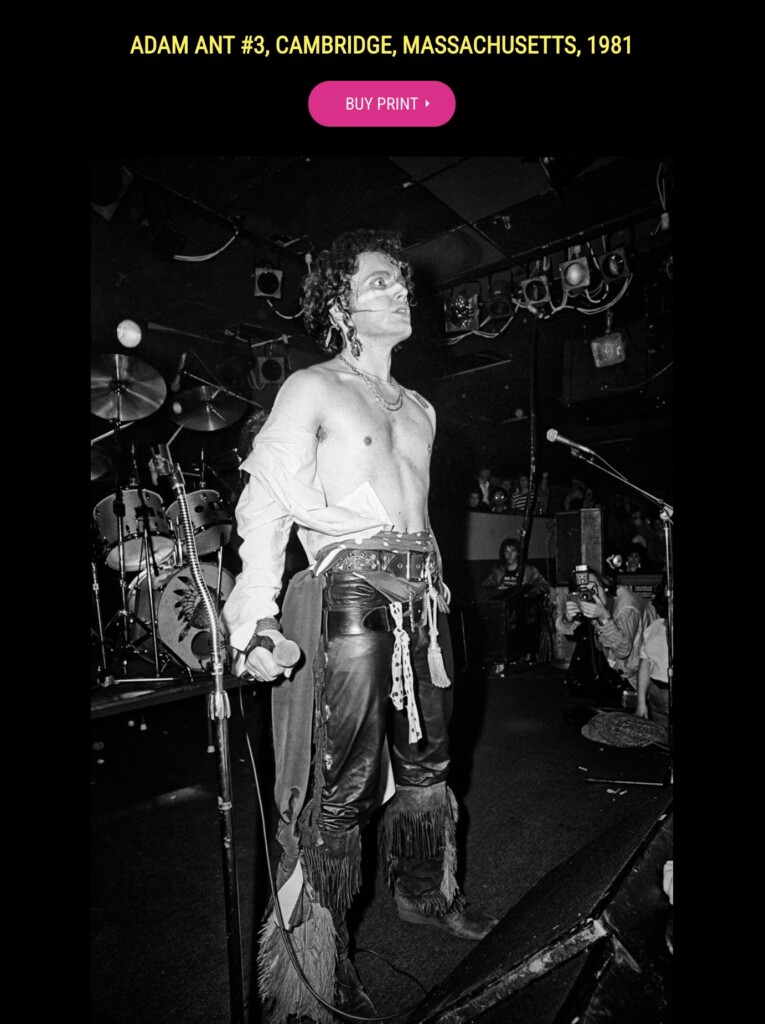
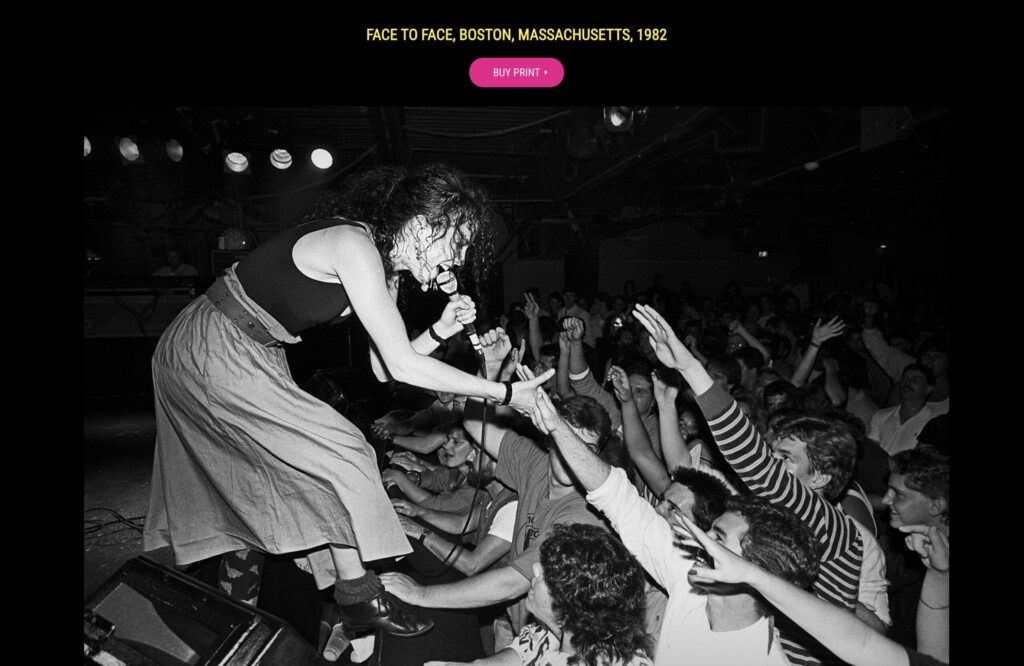
Operating out of a makeshift office and using whatever resources were at hand, Terry Ork became the first label to document the CBGB scene on his Ork Records. He recorded, produced, printed, and released early singles by Television and Richard Hell that captured the immediacy and volatility of the movement. Those pioneering releases proved that a tiny, cash-strappedindependent record label could capture the immediacy of the Punk clubs and scenes.
New York To Boston and Around the World Punk Labels
Across town, ROIR (Reachout International Records) took the Punk DIY ethos a step further. It became a cassette-only label with lowered production costs, and the format was widely circulated among punk communities. ROIR became a treasure of Punk recordings encompassing live shows and demos by Bad Brains, New York Dolls, and Suicide.
Boston labels included Ace of Hearts Records, Modern Method Records, and the pioneeringdistribution pipeline that foreshadowed e-commerce, Boston’s Modern Method mail-order network.
In the UK, the tasks of recording and distributing Punk outside of mainstream music industry channels fell to Stiff Records and Rough Trade. Back in the US, SST Records, Dischord, and Alternative Tentacles became legends for recording bands like Black Flag, Minor Threat, and the Dead Kennedys. Taking a page from their predecessors, they created mail order, sponsored and promoted local shows, and most of all showed that Punk was its own music and did not need greedy corporate record companies.
The post Punk and the Rise of Independent Record Labels appeared first on Days of Punk.