Winter in Chicago is no joke—and if you’ve ever dealt with heavy snow, frozen gutters, or a leaking ceiling in February, you already know how quickly things can go from inconvenient to expensive. One of the biggest culprits? Ice dams. Every year, homeowners scramble to search for ice dam removal near me when their gutters […]
The post Chicago Gutter Cleaners’ Checklist Before Ice Dam Season appeared first on My Window Washing Blog.
Winter in Chicago is no joke—and if you’ve ever dealt with heavy snow, frozen gutters, or a leaking ceiling in February, you already know how quickly things can go from inconvenient to expensive. One of the biggest culprits? Ice dams. Every year, homeowners scramble to search for ice dam removal near me when their gutters freeze solid and water backs up under the roofline. But here’s the good news: most of that stress (and cost) is completely preventable with a little early-season prep.
This guide is your go-to checklist for getting ahead of the problem before temperatures drop. Whether you’re a first-time homeowner or someone who’s battled ice dams more winters than you’d like to admit, you’ll learn what Chicago gutter cleaners look for, how to spot small issues before they become big repairs, and what steps actually make a difference once the snow arrives. By the end, you’ll know exactly how to Winter-proof your gutters—and your peace of mind—long before the first freeze hits.
Understanding Ice Dams: What They Are & Why They Form
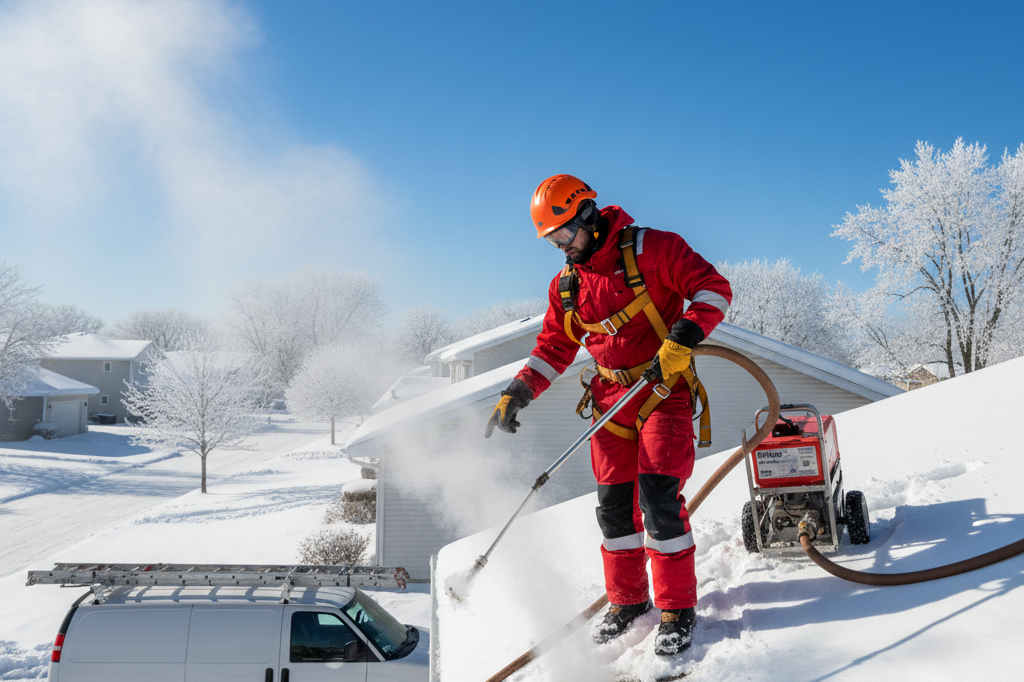
Before diving into the checklist, it’s important to understand what ice dams really are and why they show up so often in Chicago. You can’t prevent a problem you don’t understand, and ice dams have a way of forming quietly before you ever notice an issue—usually right around the time people start typing ice dam removal near me into their search bar.
What Ice Dams Actually Are
An ice dam is essentially a long, solid ridge of ice that forms along the edge of your roof. It starts when snow on the upper part of your roof melts, runs down toward the colder gutter line, and refreezes before it can drain away. Over time, that frozen ridge grows thicker and blocks additional meltwater. With nowhere to go, the water begins to creep under your shingles, eventually causing leaks and water damage inside the home.
Why Ice Dams Are So Common in Chicago
Chicago winters are infamous for their unpredictable temperature swings. One day it’s slightly warm, the next it’s freezing again, and this constant fluctuation creates the perfect environment for melting and refreezing. Homes with clogged gutters, warm attics that melt snow too quickly, or poor roof ventilation are especially vulnerable. When snow melts unevenly or can’t move through the gutters freely, it almost always ends up refreezing at the roof’s edge—and that’s when ice dams begin to form.
Why Ice Dams Are More Than Just an Eyesore
Most people don’t realize how destructive ice dams can be until the damage has already started. What begins as a harmless-looking row of icicles can turn into roof leaks, wet insulation, bubbling paint, mold growth inside walls, and even gutters that begin to bend or detach from the home. Once water finds its way inside, the repairs become much more complicated—and much more expensive—than a simple prevention plan would have been.
The Role of Clean, Clear Gutters in Prevention
One of the best defenses against ice dams is something surprisingly simple: clean gutters. When gutters and downspouts are clear and flowing properly, meltwater can drain the way it should instead of piling up and freezing. But when they’re clogged or sloped incorrectly, that trapped water becomes the starting point for ice buildup. This is exactly why professional Chicago gutter cleaners emphasize pre-winter maintenance. A small blockage in the fall can turn into a major ice issue once January storms start rolling in.
Step 1: Perform a Full Gutter Inspection Before Temperatures Drop

Once fall starts winding down and the first cold snap hits Chicago, your gutters become one of the most important defenses your home has against winter damage. That’s why a thorough inspection is the very first thing you should tackle before the freeze sets in. A simple look from the ground won’t cut it; ice dams often start with problems most homeowners don’t even know are hiding up there.
Check for Hidden Debris Buildup
The first thing to check is whether your gutters are holding debris. Leaves, tiny branches, dirt, and even shingle granules can pile up faster than expected, especially after a stormy fall season. Even a shallow layer of buildup can block water flow, and once temperatures drop, that trapped water becomes the perfect foundation for ice. Many homeowners don’t realize that a single clogged section is often enough to trigger the kind of freezing that later sends them searching for ice dam removal near me.
Make Sure Your Gutters Are Properly Aligned
Next, the alignment of the gutters matters more than people think. Gutters need just the right slope—not too steep, not too flat—to let water drain smoothly. If they sag in the middle or tilt in the wrong direction, water pools instead of flowing, and pooled water in winter almost always equals ice. These issues can be subtle to the untrained eye, which is why professional Chicago gutter cleaners typically catch problems long before they turn into expensive repairs.
Inspect for Structural Wear and Damage
It’s also essential to look for signs of structural wear. Loose spikes, rusted sections, cracks, or joints pulling apart can all affect how well your gutter system works. Even small gaps allow water to leak out and freeze in places you might not expect. A quick fix in November can save you from major headaches during January’s deep freeze.
This is where hiring experienced Chicago gutter cleaners becomes worth every penny. Not only do they have the right tools and ladders to inspect everything safely, but they also know exactly what early warning signs to look for. A professional eye can spot a minor issue that might otherwise lead to overflowing gutters, heavy ice buildup, and even increased ice dam removal cost once winter hits its peak.
A full inspection sets the stage for everything else on your winter-prep list. Think of it as your home’s physical exam before the harshest season of the year. When you know your gutters are structurally sound, properly aligned, and free from blockages, you’re already several steps ahead in preventing ice dams and the costly repairs they bring.
Step 2: Deep Clean Gutters & Downspouts to Ensure Smooth Winter Drainage

Once your inspection is out of the way, the next step is giving your gutters and downspouts a thorough, no-shortcuts kind of cleaning. In Chicago, where winter storms can dump snow one day and send temperatures plunging the next, even a small clog can turn into a frozen blockage that causes water to spill over your roofline. It’s the kind of situation that often leads homeowners to call around for an ice dam removal company later in the season—something that could have been avoided with a clean system from the start.
Clean Out All Debris—Not Just What You Can See
A proper cleaning means removing every bit of debris, not just the handful of leaves you can see from the ladder. Thick layers of wet muck, shingle grit, tiny seed pods, and leftover fall debris can create a sticky mess that prevents meltwater from moving through the gutters. When temperatures drop, that trapped water freezes solid, and once the ice forms, your gutters have no chance of draining properly. That’s when ice creeps up onto the roof and starts forming the base of an ice dam.
Don’t Forget the Downspouts
Downspouts need the same level of attention. Even if the gutters look clear, a hidden clog inside the downspout can back up the entire system. When water tries to flow down but hits a blockage, it pools in the gutter instead, and pooled water in winter is almost guaranteed to refreeze. Professional Chicago gutter cleaners often use power-flushing or specialized tools to make sure downspouts are open from top to bottom, and this kind of deep cleaning can make a huge difference once the snow begins to melt.
Consider Gutter Guards for Added Protection
Some homeowners also consider adding gutter guards before winter hits. While they won’t solve every problem, they can cut down on the amount of debris that builds up throughout the season. For homes surrounded by trees—or those that struggle with constant clogs—gutter guards can make winter maintenance easier and reduce the chances of needing emergency services later.
Seasonal Cleaning Services Can Make Winter Preparation Easier
Many Chicago gutter cleaners offer seasonal cleaning packages, and these can be incredibly helpful for homeowners who want peace of mind without the hassle. Winter arrives quickly, and having a team that handles both inspection and cleaning ensures your home is fully prepped long before that first real freeze. When your gutters and downspouts are completely clear, your home stands a much better chance of avoiding expensive water damage and the stress of calling for last-minute ice dam removal near me during the coldest months of the year.
Step 3: Inspect Your Roof & Attic for Heat-Loss Issues That Contribute to Ice Dams
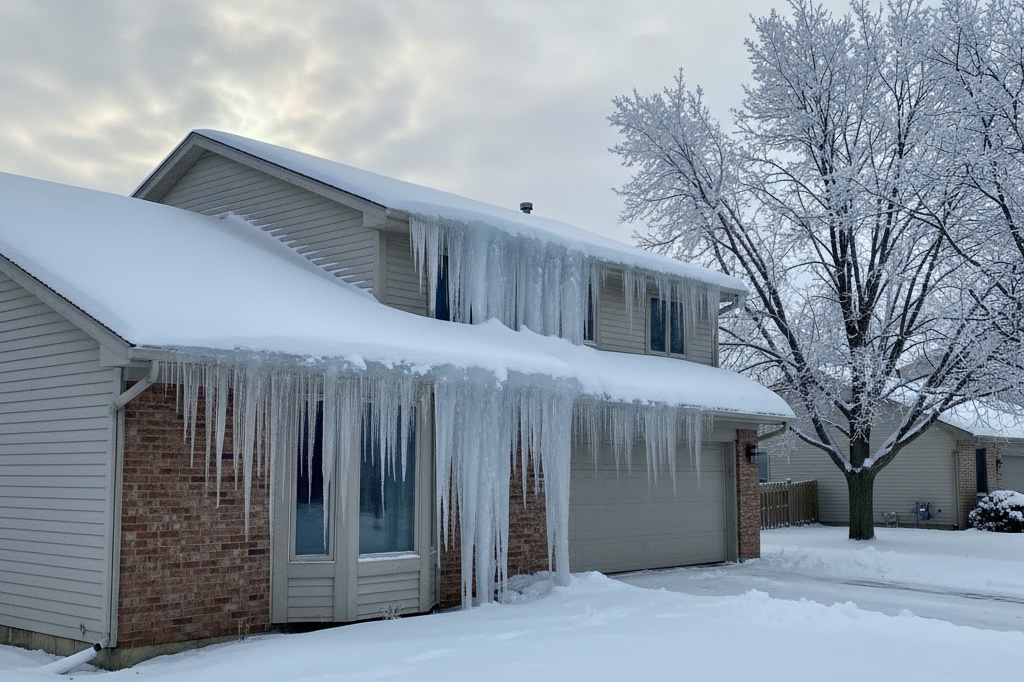
Even with perfectly cleaned gutters, ice dams can still sneak up on you if your roof and attic aren’t working together the way they should. This is one of the most overlooked parts of winter prep, mostly because heat loss isn’t something you can spot from the street. But in Chicago, where temperatures swing wildly and snow can sit on the roof for weeks, the conditions inside your attic can make or break your ice dam prevention efforts.
Insufficient Insulation
The biggest issue comes down to insulation. When the attic doesn’t have enough insulation—or if it’s old and compacted—it allows warm indoor air to escape upward. That warmth melts the snow on the upper part of your roof even when the outside air is well below freezing. The melted snow then trickles downward until it hits the much colder gutter line, where it freezes again. This melting and refreezing process is the exact setup that leads homeowners to search for ice dam removal near me after a heavy storm.
Air Leaks
Air leaks create the same problem. Gaps around recessed lights, chimneys, vents, or attic access points can act like tiny heaters, warming the underside of the roof and creating uneven temperatures. When some parts of the roof stay warm while others remain frigid, ice dams form quickly because the meltwater has nowhere safe to go.
Proper Attic Ventilation
Ventilation is another key factor. Many people don’t realize that attics actually need steady airflow throughout winter—not to warm the space, but to keep it cool. Proper ventilation helps maintain a consistent roof temperature, which reduces the freeze-thaw cycle that ice dams love. Without it, heat gets trapped, snow melts faster, and the whole process accelerates.
What makes these issues tricky is that they aren’t always visible during a quick glance. This is where collaboration between roofers, insulation pros, and gutter specialists can be incredibly helpful. Sometimes a gutter inspection reveals clues like uneven melting, ice patches, or mild water staining—signs that the attic might be contributing to the problem.
When insulation is upgraded, air leaks are sealed, and ventilation is improved, the entire roof system becomes much more resilient. Not only does this reduce the chance of ice dams forming, but it also helps regulate energy use throughout the winter. Homeowners who take care of these issues early often find they avoid emergency calls, high ice dam removal cost, and the stress of roof damage altogether.
Fixing the attic doesn’t feel as urgent as clearing the gutters, but it’s one of the smartest long-term defenses you can invest in. A well-insulated, well-ventilated home keeps heat where it belongs—and keeps your roof far less likely to freeze up in all the wrong places.
Also Read: Tips to Prevent Ice Dams in Gutters This Winter
Stay Ahead of Ice Dam Season With Smart, Simple Prep
Getting your home ready for winter in Chicago doesn’t have to feel overwhelming. By understanding how ice dams form, inspecting your gutters early, deep cleaning your drainage system, and checking your roof and attic for heat-loss issues, you’re already taking the smartest steps to protect your home long before the freezing temperatures roll in. These small, proactive habits can help you avoid costly repairs, prevent water damage, and reduce the chances of scrambling to look up ice dam removal near me in the middle of a snowstorm.
If you’re ready to winter-proof your home, now is the perfect time to schedule a pre-season inspection or talk with a professional. A little preparation today can save you from big headaches tomorrow. Your home will thank you when the heavy snow finally arrives.
The post Chicago Gutter Cleaners’ Checklist Before Ice Dam Season appeared first on My Window Washing Blog.
View Entire Post