

everything you need to know about hair transplants in 2025 Hair transplants in 2025 are set to revolutionize the field of hair restoration. With cutting-edge technology, the results are more natural than ever before. Advanced hair restoration techniques are focusing on minimally invasive procedures. These methods promise quicker recovery times and less discomfort for patients. Robotics and AI are playing a significant role in this transformation. They offer precision and efficiency, making hair transplants more accessible. Stem cell therapy is emerging as a promising treatment for hair loss. This innovative approach could potentially regenerate hair follicles. Follicular Unit Extraction (FUE) remains popular, but with enhanced tools. In 2025, hair cloning and bioengineering are on the horizon. These advancements could revolutionize hair restoration as we know it. Personalized treatment plans are becoming more common. Genetic testing helps tailor solutions to individual needs. The global market for hair loss treatments is expected to grow significantly. Public awareness and acceptance of hair transplants are increasing. This reduces stigma and encourages more people to seek treatment. The Evolution of Hair Transplants: 2025 and Beyond Hair transplants have come a long way over the years, with 2025 marking a significant era of innovation. Technological advancements are at the forefront of these changes. In the past, results often looked artificial, but that’s not the case now. Modern techniques ensure hairlines are natural and aesthetically pleasing. Key changes in hair transplants include: Integration of AI and robotics: These tools provide precise and efficient procedures. Minimally invasive techniques: These methods reduce recovery times significantly. Stem cell and genetic advances: These are paving the way for future improvements. These transformations are making hair restoration more appealing and accessible. Minimally invasive methods allow patients to resume their activities sooner. The use of AI and robotics ensures each graft placement is perfect, enhancing overall outcomes. Additionally, individualized plans are becoming standard practice, taking into account unique genetic and biological factors. Patients receive treatments tailored to their specific needs, maximizing success rates. With ongoing research and development, the future of hair transplants looks promising. In 2025 and beyond, hair restoration will continue to evolve, blending science and technology for optimal results. The emphasis is on not just restoring hair, but ensuring a holistic approach to treatment. This era represents a turning point for those seeking solutions for hair loss, as treatments become more advanced and effective. The journey of hair transplants is just beginning, with 2025 marking a new chapter in its evolution. Understanding Hair Loss: Causes and Trends in 2025 Hair loss affects millions worldwide, transcending age and gender boundaries. By 2025, our understanding of its causes has deepened significantly, driven by scientific advancements. One primary factor remains genetics, which accounts for a considerable amount of hair loss cases. Other causes are lifestyle and environmental factors, now better recognized for their impact. Modern studies highlight the role of stress and environmental pollutants. These can accelerate hair thinning and loss. The link between diet and hair health is more apparent, emphasizing balanced nutrition for hair preservation. Here’s a breakdown of hair loss causes recognized in 2025: Genetic predisposition: Still the leading cause. Lifestyle impacts: Diet, stress, and hair care habits. Environmental factors: Pollution and harsh weather conditions. Medical conditions: Hormonal imbalances and certain medications. Trends in 2025 show an increase in preventative measures. People are more proactive, seeking treatments earlier. There’s also a growing interest in holistic approaches that incorporate wellness and lifestyle changes. These insights into hair loss help develop better-targeted treatments and individualized care strategies. Understanding these diverse causes and trends equips individuals with the knowledge to make informed decisions regarding hair restoration. More people are empowered to tackle hair loss effectively, driven by a more comprehensive grasp of contributing factors. Advanced Hair Restoration Techniques in 2025 In 2025, hair restoration techniques have advanced significantly, offering more effective and natural-looking results. The push towards innovative solutions has led to several cutting-edge methods. Follicular Unit Extraction (FUE) continues to be popular. However, enhanced tools have improved precision, reducing downtime and enhancing outcomes. These upgrades bring greater confidence among patients seeking natural appearances. Robotics are also pivotal, allowing precise hair follicle harvesting and placement. Machines equipped with AI add accuracy, minimizing human error. This technology enables surgeons to create more dense and natural hairlines. by National Cancer Institute (https://unsplash.com/@nci) Stem cell therapy is another exciting frontier. It taps into regenerative medicine, potentially revitalizing dormant follicles. Research in this field shows promising results, though widespread availability is still evolving. […]
everything you need to know about hair transplants in 2025
Hair transplants in 2025 are set to revolutionize the field of hair restoration.
With cutting-edge technology, the results are more natural than ever before.
Advanced hair restoration techniques are focusing on minimally invasive procedures.
These methods promise quicker recovery times and less discomfort for patients.
Robotics and AI are playing a significant role in this transformation.
They offer precision and efficiency, making hair transplants more accessible.
Stem cell therapy is emerging as a promising treatment for hair loss.
This innovative approach could potentially regenerate hair follicles.
Follicular Unit Extraction (FUE) remains popular, but with enhanced tools.
In 2025, hair cloning and bioengineering are on the horizon.
These advancements could revolutionize hair restoration as we know it.
Personalized treatment plans are becoming more common.
Genetic testing helps tailor solutions to individual needs.
The global market for hair loss treatments is expected to grow significantly.
Public awareness and acceptance of hair transplants are increasing.
This reduces stigma and encourages more people to seek treatment.
The Evolution of Hair Transplants: 2025 and Beyond
Hair transplants have come a long way over the years, with 2025 marking a significant era of innovation. Technological advancements are at the forefront of these changes.
In the past, results often looked artificial, but that’s not the case now. Modern techniques ensure hairlines are natural and aesthetically pleasing.
Key changes in hair transplants include:
- Integration of AI and robotics: These tools provide precise and efficient procedures.
- Minimally invasive techniques: These methods reduce recovery times significantly.
- Stem cell and genetic advances: These are paving the way for future improvements.
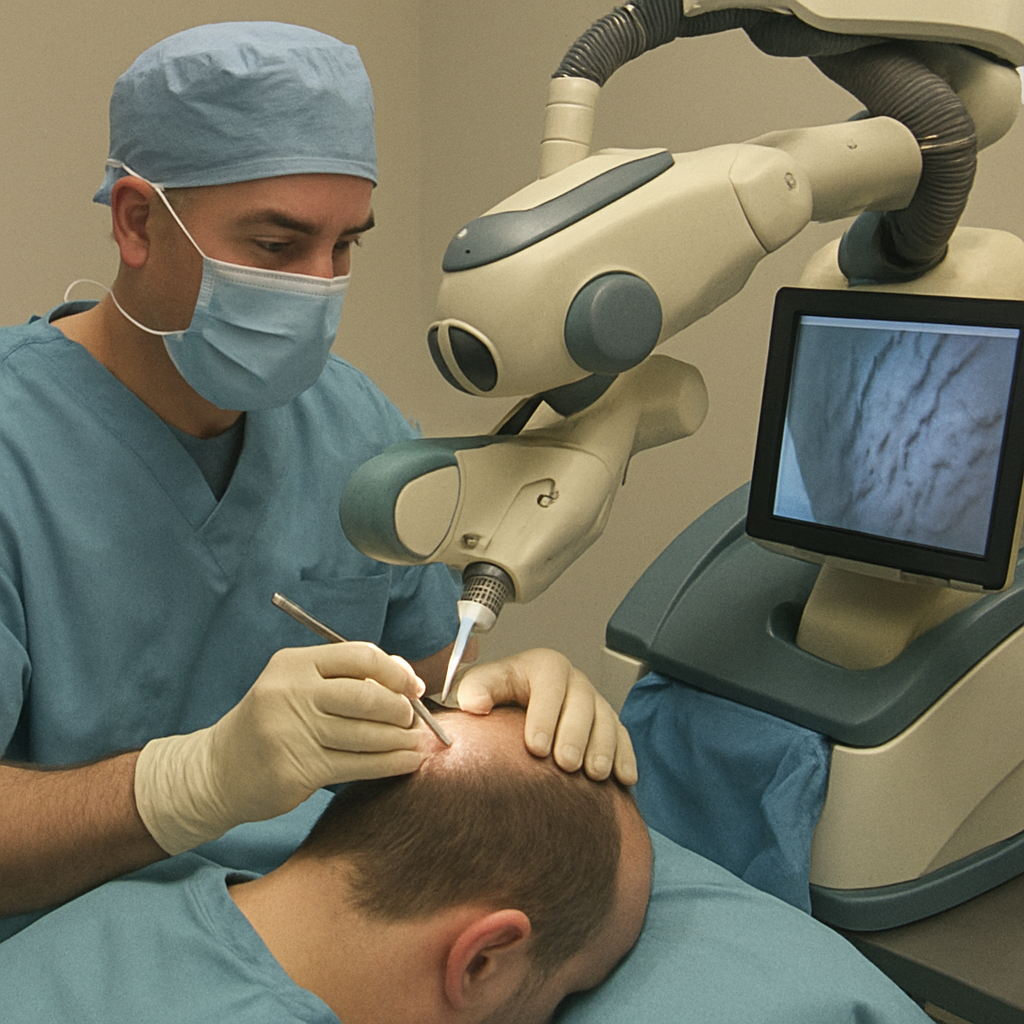
These transformations are making hair restoration more appealing and accessible. Minimally invasive methods allow patients to resume their activities sooner.
The use of AI and robotics ensures each graft placement is perfect, enhancing overall outcomes.
Additionally, individualized plans are becoming standard practice, taking into account unique genetic and biological factors. Patients receive treatments tailored to their specific needs, maximizing success rates.
With ongoing research and development, the future of hair transplants looks promising. In 2025 and beyond, hair restoration will continue to evolve, blending science and technology for optimal results. The emphasis is on not just restoring hair, but ensuring a holistic approach to treatment.
This era represents a turning point for those seeking solutions for hair loss, as treatments become more advanced and effective. The journey of hair transplants is just beginning, with 2025 marking a new chapter in its evolution.
Understanding Hair Loss: Causes and Trends in 2025
Hair loss affects millions worldwide, transcending age and gender boundaries. By 2025, our understanding of its causes has deepened significantly, driven by scientific advancements.
One primary factor remains genetics, which accounts for a considerable amount of hair loss cases. Other causes are lifestyle and environmental factors, now better recognized for their impact.
Modern studies highlight the role of stress and environmental pollutants. These can accelerate hair thinning and loss. The link between diet and hair health is more apparent, emphasizing balanced nutrition for hair preservation.

Here’s a breakdown of hair loss causes recognized in 2025:
- Genetic predisposition: Still the leading cause.
- Lifestyle impacts: Diet, stress, and hair care habits.
- Environmental factors: Pollution and harsh weather conditions.
- Medical conditions: Hormonal imbalances and certain medications.
Trends in 2025 show an increase in preventative measures. People are more proactive, seeking treatments earlier. There’s also a growing interest in holistic approaches that incorporate wellness and lifestyle changes.
These insights into hair loss help develop better-targeted treatments and individualized care strategies. Understanding these diverse causes and trends equips individuals with the knowledge to make informed decisions regarding hair restoration. More people are empowered to tackle hair loss effectively, driven by a more comprehensive grasp of contributing factors.
Advanced Hair Restoration Techniques in 2025
In 2025, hair restoration techniques have advanced significantly, offering more effective and natural-looking results. The push towards innovative solutions has led to several cutting-edge methods.
Follicular Unit Extraction (FUE) continues to be popular. However, enhanced tools have improved precision, reducing downtime and enhancing outcomes. These upgrades bring greater confidence among patients seeking natural appearances.
Robotics are also pivotal, allowing precise hair follicle harvesting and placement. Machines equipped with AI add accuracy, minimizing human error. This technology enables surgeons to create more dense and natural hairlines.

Stem cell therapy is another exciting frontier. It taps into regenerative medicine, potentially revitalizing dormant follicles. Research in this field shows promising results, though widespread availability is still evolving.
Following are some advancements in hair restoration:
- Enhanced FUE: Precision instruments for less invasive procedures.
- Robotics and AI: For accurate and consistent results.
- Stem cell therapy: For follicle regeneration potential.
Platelet-rich plasma (PRP) therapy often complements these treatments. PRP enhances healing and stimulates growth, maximizing transplant outcomes and reducing recovery time.
Hair cloning and bioengineering emerge as revolutionary techniques, although still in experimental stages. This innovation holds promise for tackling severe baldness cases where traditional methods fall short.
The integration of personalized solutions is also rising. Genetic testing allows surgeons to customize treatments, ensuring compatibility and improving effectiveness. Tailored approaches cater to unique scalp conditions and individual hair loss patterns.
Considerations for 2025’s advanced hair restoration techniques:
- PRP therapy: Accelerates healing and promotes growth.
- Hair cloning: Potential for severe baldness cases.
- Genetic tailoring: Customized to individual needs.
This era of advanced techniques brings hope to many facing hair loss. These innovative solutions address diverse needs, offering better chances of satisfying outcomes. With each technological leap, the prospects of hair restoration become brighter and more accessible to all.
The Role of Technology: Robotics, AI, and Virtual Consultations
In 2025, technology significantly influences the field of hair transplants. Robotics and AI have become integral components, enhancing both efficiency and accuracy in procedures.
Robotic systems are revolutionizing hair transplant surgery. They deliver precise movements when harvesting and placing hair follicles. This precision ensures high success rates and natural results.
AI plays a crucial role in planning and executing hair transplants. It assists in mapping out hairline designs, analyzing scalp conditions, and predicting treatment outcomes. These insights ensure tailored approaches for each patient.
Virtual consultations are increasingly common, making hair transplant options more accessible. Through these sessions, patients can understand potential procedures without the need for in-person visits. This convenience is transforming patient experiences and broadening access to expert consultations.
Key technological advancements in hair restoration include:
- Robotics: Enhancing surgical precision.
- AI Integration: For detailed analysis and planning.
- Virtual Consultations: Broaden accessibility and convenience.
Moreover, technology-driven diagnostics are improving initial assessments. Tools can quickly evaluate hair and scalp health, identifying underlying causes of hair loss. This data is vital for devising effective treatment plans.
The advancements in technology not only boost the effectiveness of hair transplants but also improve patient satisfaction. As these technologies evolve, they continue to raise the standard of care and expand possibilities for those experiencing hair loss. In 2025, it is clear that technology is an indispensable ally in the journey towards advanced hair restoration.
Stem Cell Therapy, Hair Cloning, and Bioengineering
Stem cell therapy is gaining traction as a revolutionary hair loss solution. In 2025, this approach is paving the way for regenerating hair follicles. It harnesses the body’s natural ability to renew and heal itself.
The prospect of hair cloning excites many in the field of hair restoration. Researchers focus on developing techniques to clone hair follicles from small samples. This offers endless possibilities for those with limited donor hair.
Bioengineering is another frontier explored in 2025. Scientists use cutting-edge methods to engineer hair growth at the cellular level. This could potentially transform the landscape of hair transplantation.
These innovations present the following potential benefits:
- Regeneration: Stem cells for follicle renewal.
- Unlimited Supply: Hair cloning offers endless hair follicles.
- Targeted Solutions: Bioengineering addresses hair at the cellular level.
Integrating these advanced methods can lead to more personalized treatments. Tailored approaches ensure solutions are adapted to individual needs, increasing effectiveness. Customized strategies enhance patient satisfaction and outcomes.
However, these pioneering methods also bring ethical considerations. The medical community debates the implications of manipulating biological processes. They strive to balance innovation with responsible practice.
In conclusion, stem cell therapy, hair cloning, and bioengineering mark a promising path for hair restoration in 2025. As these technologies mature, they promise to provide more effective, personalized, and innovative solutions for hair loss sufferers. The future of hair transplantation looks not only brighter but also more diverse in its offerings.
Personalized Hair Loss Treatments: Genetics and Tailored Solutions
The year 2025 brings a new era of personalized hair loss treatments. Genetics is at the forefront, offering unique insights into hair restoration. These insights allow for more precise and effective interventions.
Genetic testing is now more accessible than ever. This advancement helps identify specific genes linked to hair loss. By understanding these genetic components, treatment plans can be more accurately tailored.
Tailored solutions offer several benefits:
- Specific: Target treatments based on individual genetic makeup.
- Effective: Increased success rates due to personalized approaches.
- Adaptive: Continuously adjust methods as new data emerges.
The ability to customize treatments to an individual’s biology enhances results significantly. Patients receive solutions that address their unique needs and conditions. This customized approach also reduces the trial-and-error aspect of traditional treatments.
However, genetic-based treatments must navigate various challenges. Privacy concerns and ethical issues surrounding genetic data are prominent. Proper handling and transparency in data usage are essential.
In summary, personalized hair loss treatments in 2025 leverage genetic insights to deliver optimized outcomes. As technology continues to advance, these tailored solutions will likely become the standard in hair restoration, offering hope to many who struggle with hair loss.
Non-Surgical Hair Loss Treatments: What’s New in 2025?
Non-surgical hair loss treatments have evolved significantly by 2025. These options are now more advanced and widely accessible. People seeking less invasive solutions have several new avenues to consider.
Topical treatments have gained momentum in recent years. New formulations target hair follicles directly, enhancing regrowth. These solutions are designed to be easy to apply and effective.
Another exciting development is laser therapy. Devices have become more sophisticated, offering greater precision. Users can experience noticeable results with fewer sessions.
Key non-surgical treatments include:
- Topical solutions: Formulations that stimulate follicles.
- Laser therapy: Non-invasive, with enhanced devices.
- Supplements: Nutrient-based approaches to promote growth.
Supplements are another growth area. Focus has shifted towards combining essential vitamins and minerals. These supplements support healthy hair from the inside out.
2025 also sees a rise in customized non-surgical approaches. This trend aligns with the broader shift towards personalization in hair loss treatments. By choosing the right combination of therapies, individuals can create effective, individualized plans to tackle hair loss without surgery.
The Patient Experience: From Consultation to Recovery
The patient journey for hair transplants in 2025 begins with an initial consultation. Advanced virtual consultations are now common, making access easier. Patients can discuss options with specialists from the comfort of home.
During the consultation, an assessment is made using AI technology. This provides a detailed analysis of hair loss patterns. Patients receive personalized treatment plans based on their unique needs.
Once the treatment plan is established, patients proceed with booking their procedures. Advanced scheduling tools help streamline this process, reducing wait times. Patients are better informed and prepared for what to expect.
Post-procedure, recovery is swift due to minimally invasive techniques. Patients often experience minimal discomfort and a quick return to normal activities. Follow-up care includes periodic evaluations and progress tracking.
Key aspects of the patient experience include:
- Virtual consultations: Convenient and comprehensive.
- AI-driven assessments: Personalized treatment recommendations.
- Efficient scheduling: Streamlined procedure bookings.
- Quick recovery: Minimal downtime and discomfort.
- Ongoing support: Continuous follow-up and guidance.
Overall, the patient experience in 2025 is more streamlined and patient-focused. Innovations in consultations, treatment plans, and follow-up care make the hair transplant journey more comfortable and effective than ever before.
Cost of Hair Transplants in 2025: What to Expect
Hair transplant costs in 2025 vary due to advancements in technology. The price can depend on the clinic’s reputation, location, and techniques used. Premium services often incorporate AI and robotics, which can increase expenses.
While costs can seem high, many consider the investment worthwhile for lasting results. Innovations like virtual consultations and personalized plans add value. These factors contribute to the overall pricing structure.
Patients should consider total costs, including post-operative care. Follow-up visits and treatments like PRP therapy can also impact expenses. Discuss these aspects with your consultant to avoid surprises.
Here are some factors influencing costs:
- Techniques and technology: More advanced methods tend to cost more.
- Clinic’s reputation and location: Prestigious locations may charge higher rates.
- Procedure complexity: Larger areas or more sessions increase costs.
- Post-operative care: Additional treatments add to the overall price.
Understanding these elements helps in making informed financial decisions. It’s important to balance cost with the quality of care and expected results.
Risks, Safety, and Ethical Considerations
Hair transplants, while increasingly safe, still carry risks. Infection and scarring remain potential complications. Selecting experienced practitioners reduces these risks significantly.
Ensuring comprehensive safety protocols is essential. Clinics emphasize sterile environments and advanced technology to safeguard procedures. It’s crucial for patients to follow aftercare instructions thoroughly to minimize complications.
Ethical considerations are gaining prominence in hair restoration. The use of stem cells and genetic modification incites debate. Transparency and informed consent are vital to maintaining trust in these advancements.
Key ethical considerations include:
- Informed consent: Patients must understand procedures clearly.
- Transparency: Full disclosure of risks and procedures is necessary.
- Emerging technology: Considerations regarding the use of new techniques.
- Patient autonomy: Respecting decisions and privacy of individuals.
By addressing these factors, clinics can uphold the trust and safety of their patients. Open communication between patients and medical teams is key. It ensures a successful and satisfactory hair transplant experience.
Hair Transplants for Men and Women: Addressing Unique Needs
Hair transplants in 2025 cater to both men and women. Each gender faces unique hair loss patterns and challenges. Customized approaches are essential for optimal results.
Men often experience pattern baldness, affecting receding hairlines and crown areas. Advanced techniques focus on these specific needs, ensuring natural and lasting outcomes.
Women tend to experience more diffused hair thinning. Thus, restoration strategies differ, requiring greater attention to density and scalp health. Female hair transplants must address these subtleties effectively.
Recognizing these different needs leads to tailored procedures. Key considerations include:
- Hairline design: Customized for gender-specific aesthetics.
- Density restoration: Adjusted based on thinning patterns.
- Scalp coverage: Comprehensive plans for female-pattern hair loss.
- Recovery time: Suited to individual needs and lifestyles.
By acknowledging these differences, hair transplants in 2025 achieve greater personalization. This results in more satisfied patients and successful transformations. These efforts enhance confidence and well-being for both men and women seeking hair restoration solutions.
Lifestyle, Nutrition, and Holistic Approaches to Hair Health
In 2025, lifestyle choices are crucial for hair health. Stress, diet, and daily habits influence hair loss. Adopting a holistic approach can significantly aid hair restoration efforts.
Nutrition plays a vital role in maintaining healthy hair. Essential nutrients like vitamins, minerals, and proteins support hair strength and growth. A balanced diet combined with regular exercise promotes overall scalp health.

Holistic approaches to hair care integrate various strategies:
- Stress management: Reducing stress through meditation or exercise.
- Balanced diet: Ensuring intake of essential vitamins and minerals.
- Hydration: Maintaining optimal scalp moisture.
- Scalp massage: Promoting blood circulation and follicle nourishment.
By embracing these lifestyle modifications, individuals can enhance the effectiveness of their hair loss treatments. This integrated approach helps achieve healthier, more resilient hair that withstands environmental and genetic challenges.
The Future of Hair Restoration: What’s Next?
Looking ahead, the future of hair restoration is promising. Cutting-edge technologies are leading the way for groundbreaking advancements. These innovations aim to provide more effective and permanent solutions.
Hair cloning is on the horizon. Scientists are exploring ways to replicate hair follicles on a large scale. This could potentially eliminate donor site limitations, offering infinite possibilities for those seeking fuller hair.

Future advancements may also include:
- Nanotechnology: Delivering targeted treatments to hair follicles.
- Gene therapy: Correcting genetic causes of hair loss.
- Bioprinting: Creating customized hair follicles.
As research progresses, these technologies might become mainstream. Such developments will not only improve outcomes but also broaden accessibility. The next decade holds exciting potential for those facing hair loss challenges.
Frequently Asked Questions About Hair Transplants 2025
What makes hair transplants in 2025 different?
Advancements in technology and techniques provide more natural results. Procedures are less invasive with quicker recovery times.
Are hair transplants permanent?
Yes, they generally offer lasting solutions. Proper care and maintenance are crucial for long-term success.
How does AI aid in hair transplants?
AI enhances precision in graft placement. It also helps with personalized treatment plans through data analysis.
What are the newest non-surgical options?
Innovations include enhanced topical solutions and improved laser therapies. These continue to evolve and show promising results.
Can stem cell therapy regrow hair?
Stem cell therapy is under study for its regenerative potential. It holds promise but isn’t widely available yet.
Is genetic testing used in treatments?
Yes, genetic testing helps create tailored treatment plans. It considers individual variations in response to different therapies.
What does a typical recovery entail?
Recovery is often quicker due to advanced techniques. Patients usually resume normal activities within a few days.
How costly are hair transplants in 2025?
Costs vary based on technology and procedure complexity. Expect wide price ranges depending on specific requirements.
Are there side effects to consider?
Risks are minimal with current advancements. However, some side effects like swelling and redness might occur.
How should I prepare for a consultation?
Prepare questions and have realistic expectations. Consider virtual consultations for convenience and broader options.
Conclusion: Making Informed Choices for Hair Restoration in 2025
Navigating the world of hair transplants in 2025 is exciting yet complex. With advancements in technology and personalized approaches, individuals have more options than ever before. Understanding each technique and its suitability for your needs is crucial.
Informed decisions stem from thorough research and expert consultations. Exploring different treatment avenues, including surgical and non-surgical options, ensures you find the best fit. It’s essential to consider factors like recovery, cost, and long-term benefits as part of your decision-making process.
Ultimately, the goal is a successful, natural-looking transformation that boosts confidence. Embrace the innovative solutions available and take proactive steps in your hair restoration journey. Partnering with a qualified expert will guide you through this evolving landscape toward achieving desired results.