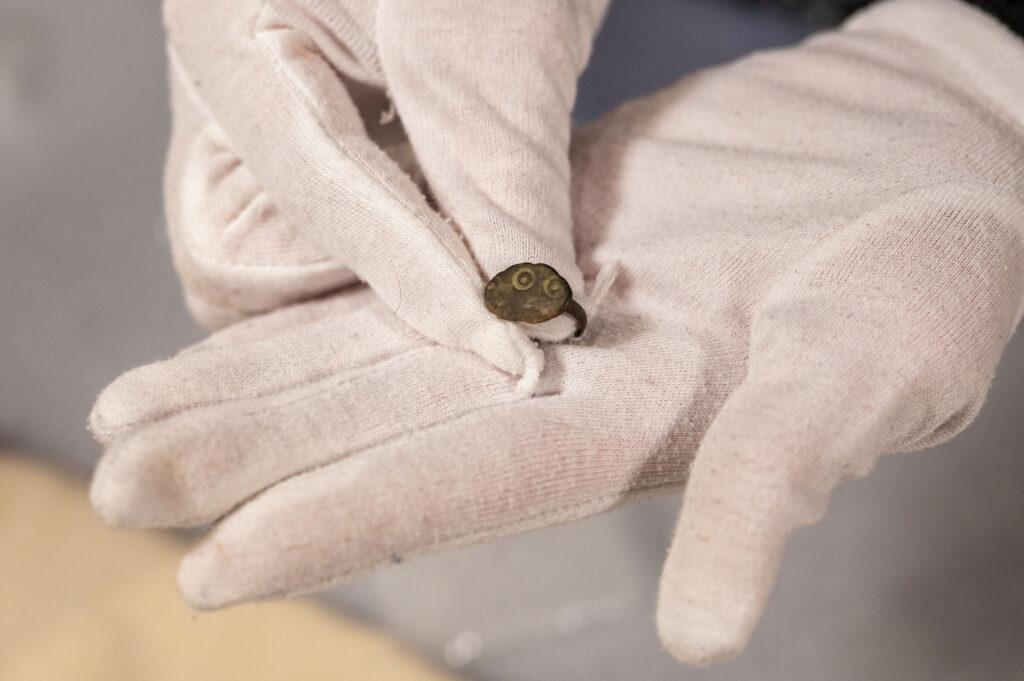

Mawlynnong in India has been called the cleanest village in Asia and has become a popular tourist destination. But now, villagers are trying to find a way to welcome visitors, while also maintaining their own community spirit. The post Asia’s ‘cleanest village’ tries to find a balance between tourists and calm appeared first on The World from PRX.
One Saturday afternoon in Mawlynnong, a village of about 600 people in India’s Meghalaya state, Indian tourists strolled past bamboo benches and trees, occasionally stopping to take selfies and photos of flowers. One tourist had a large GoPro camera tripod on top of his head and was capturing close-up video footage of a bush.
Mawlynnong has well-trimmed shrubbery and pretty churches, and according to the Indian travel media, it is “Asia’s cleanest village.” The Indian press gave the village that title in 2003, then in 2015, India’s Prime Minister Narendra Modi praised the village in a radio address.
Modi said Mawlynnong’s “mission of cleanliness” gave him confidence that India would “become clean through the efforts of fellow citizens.”
The BBC has reported from the village, and Discovery Channel India has also filmed there.
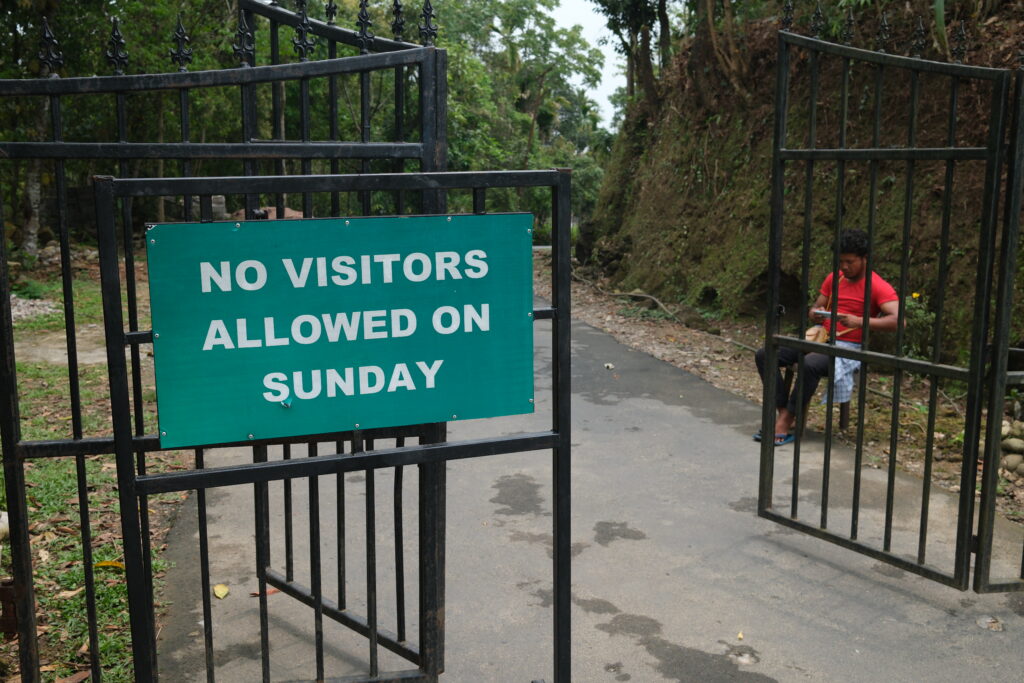
Now, according to Mawlynnong’s village committee, during peak tourism periods, up to 1,000 tourists can visit its trash-free paths in a single day. In January, the villagers decided to ban tourists from visiting on Sundays, so they could experience quiet rural life again and have time to attend church.
For years, the village has been famous as a model of cleanliness, driven by community spirit, partly thanks to Modi’s words on the radio. Now, with villagers shunning tourist income to have a better work-life balance, it’s being held up as an example of sustainable rural tourism management.
Baba Shinde, a tourist from Mumbai visiting Mawlynnong, said, “Everybody should try to learn from this village.” When asked whether his home city could meet the village’s cleanliness standards, he laughed and said, “It is impossible!”
By simply being impeccably clean and neat, Mawlynnong stands out in India.
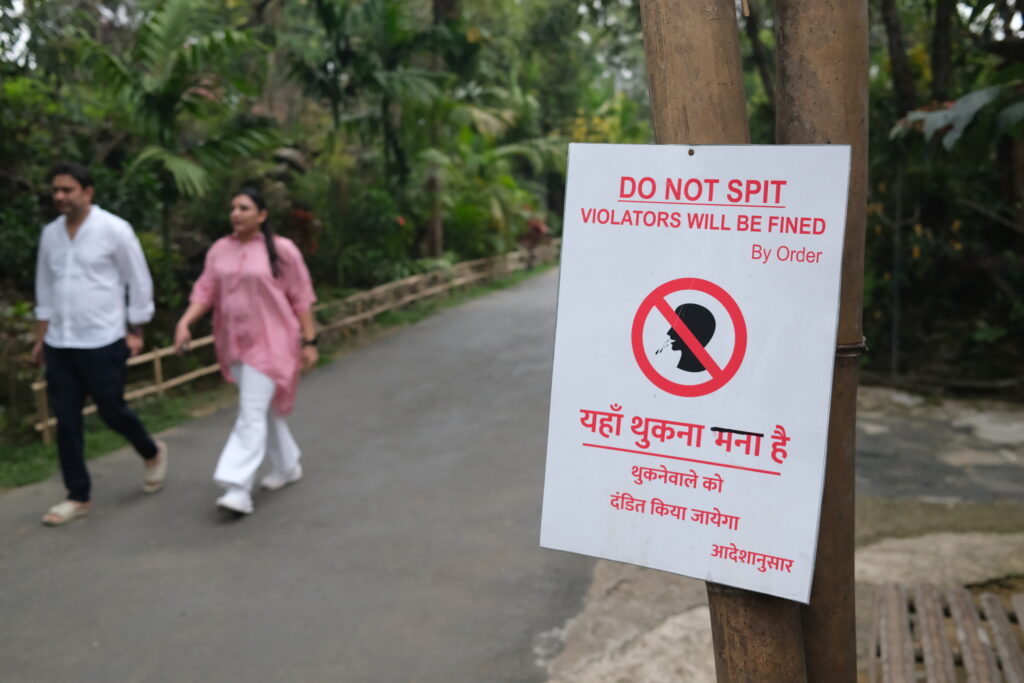
India’s government has tried to change mindsets about public spaces, launching a huge nationwide public sanitation campaign in 2014. But from the streets of Mumbai to the mountains, across the country, people still often haphazardly throw trash on the ground, and spitting and urinating in public is common.
No one is quite sure precisely why Mawlynnong has been so different historically, but the village developed a culture of cleanliness long before journalists and influencers picked up on it. With media coverage of the village increasing over the past 20 years, residents have been able to pivot from agricultural careers to tourism.
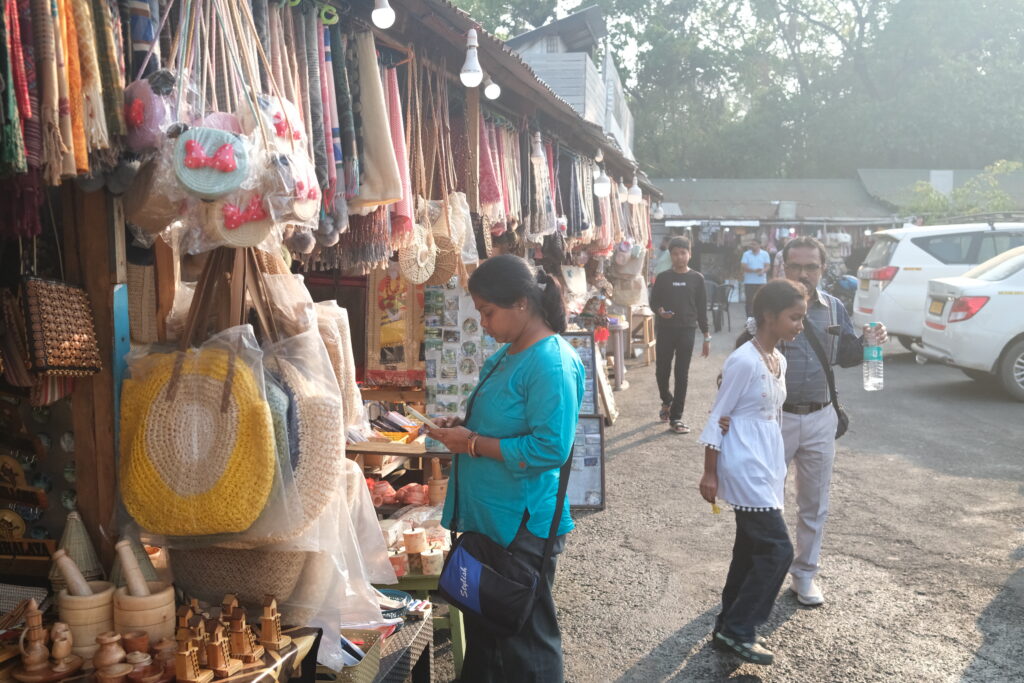
Mawlynnong now has around 40 guesthouses and six restaurants. The village committee employs about 25 villagers for cleaning and gardening duties. On a recent Saturday, tourists took photos of the workers while they planted small trees, swept the roads and whistled while they worked.
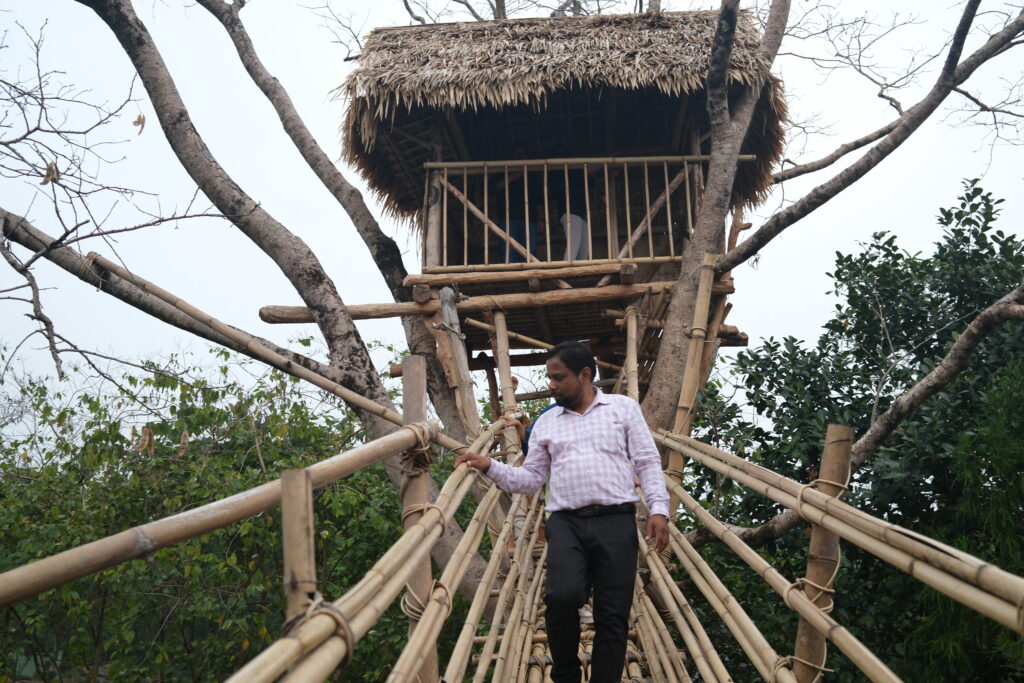
Just up the road from the machete-wielding gardeners, a woman named Festival Kharrymba was charging tourists 30 rupees (30 cents) to walk up a big bamboo viewing platform. She said that despite making money from tourist footfall, she supported the Sunday ban. “We have to have time to go to church, for service, for praying,” Kharrymba said.
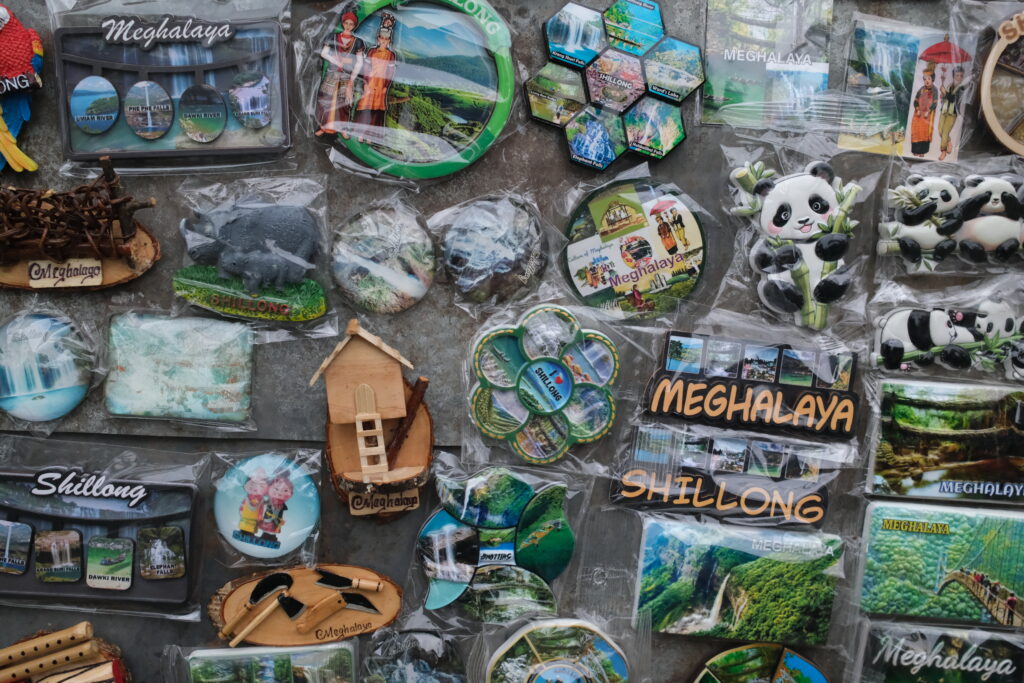
“If tourists are here on Sunday, it’s a problem for us,” she added.
Pretty much all of the Mawlynnong villagers are Christian, and on Sundays, the village’s two large churches hold services throughout the day. Signs in the village declare it to be: “God’s own garden.”
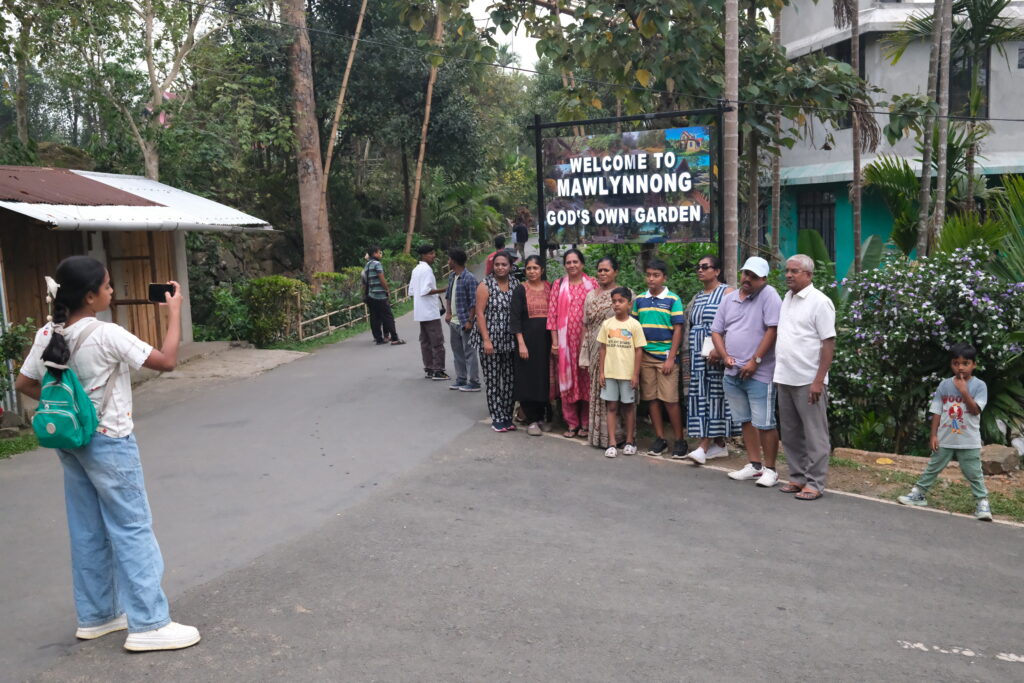
“In the village, all [residents] are Christians, so they are taught in school, in church, how to be clean, to avoid many communicable diseases,” said Precious Khongdup, who is on the village committee and runs a guesthouse.
In the late 19th century, Welsh Christian missionaries began visiting this part of northeast India and converting local members of the Indigenous Khasi ethnic group to Christianity. Khongdup said that missionaries teaching locals about disease prevention through cleanliness may have instilled hygiene habits that stuck with the villagers.
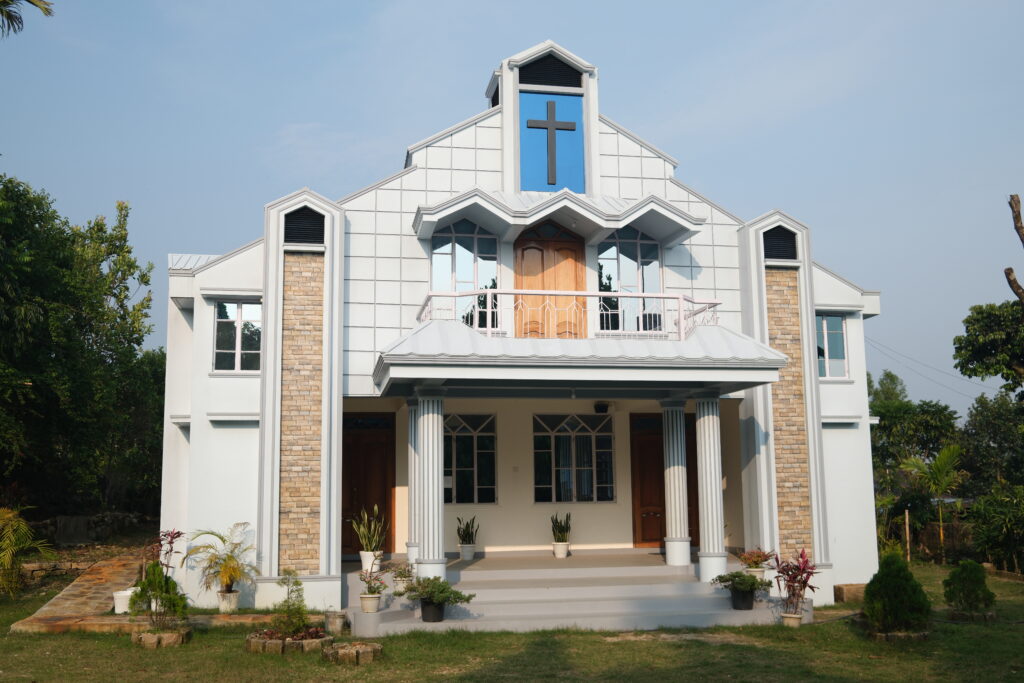
Now, Mawlynnong’s residents volunteer for village cleaning sessions each Saturday, and children are taught about cleanliness in church and at school.
Khongdup said that despite the village doing really well from tourism, pointing out the many new concrete houses nearby, Mawlynnong is a small place, and the locals need respite from visitors, who arrive both in private vehicles and tour buses.
“We have to have a break,” he said. “If we work the whole week, we don’t have time for our children.”
On a recent Sunday, just outside the large black metal gate at the village entrance, one visitor was politely, but firmly, turned away by the person guarding the gate to Mawlynnong. Vijaya Debnath was traveling with her husband, on holiday from New Delhi, and had hoped to visit the famous village.
When asked for her response to the refusal, she said she understood the reasoning. “Absolutely, I do respect that. They also need some time for [themselves]. Why not?”
On the other side of the village gate, the roads were empty of both trash and people. But the churches were full of loud, joyful singing.
The post Asia’s ‘cleanest village’ tries to find a balance between tourists and calm appeared first on The World from PRX.