E-commerce support includes much more than traditional phone calls. Shoppers pay attention to the customer experience just as much as the product itself. That means brands must compete on more than pricing or product quality alone.
Fast support, smooth returns, and accurate order communication have become standard customer expectations in e-commerce. Even a single poor customer interaction can result in abandoned carts, negative reviews, and lost repeat purchases.
To keep up with these expectations, many growing online stores invest in e-commerce call center software. In this guide, you’ll learn how this software maintains high service standards as your customer support operations scale.
What Is E-Commerce Call Center Software?
Ecommerce call center software helps online businesses manage customer communication across voice, SMS, live chat, email, and other digital channels.
These platforms streamline ecommerce customer service operations by routing customer inquiries to the right agents, providing access to customer and order data, and automating repetitive service tasks.
E-commerce contact center platforms focus on omnichannel support, automation, analytics, and customer relationship management integrations that support growing online brands.
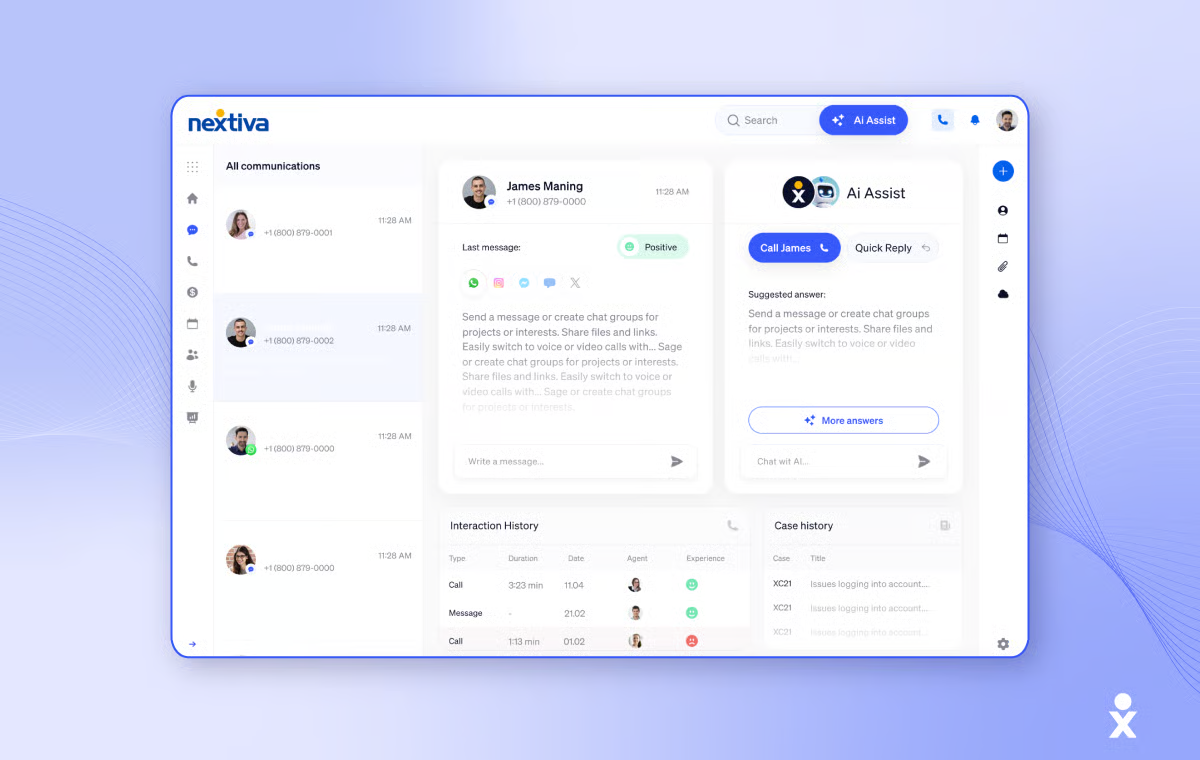
For example, when customers contact a brand regarding shipping delays, returns, or payment issues, agents can instantly access purchase history, tracking details, and previous customer interactions from one dashboard and provide accurate responses.
Many modern center solutions also include AI-powered automation, intelligent routing, sentiment analysis, and multilingual support to help businesses meet customer expectations while maintaining high service quality.
Why E-Commerce Brands Need Call Center Software
Running an online business becomes complex as order volume, customer communication, and operational demands grow. Customers want support across multiple channels throughout their buying journey.
That’s why many brands use ecommerce call center services or choose ecommerce customer service outsourcing to improve operational efficiency while maintaining excellent support standards.
Whether businesses build an in-house support department or work with a call center outsourcing partner, the goal is the same: to provide fast, reliable, and personalized support that builds customer trust and long-term brand loyalty.
Using the right contact center services can help businesses:
- Increase customer satisfaction with faster support and prompt service
- Increase conversions and generate more sales
- Reduce cart abandonment during checkout
- Improve operational efficiency during high call volume periods
- Deliver consistently positive experiences across all channels
- Strengthen customer loyalty and increase customer lifetime value
- Scale support operations when customers shop during peak seasons and holiday sales
As the e-commerce industry grows more competitive, brands must provide top-notch support to retain customers and maintain a strong reputation.
How E-Commerce Call Center Software Works
E-commerce businesses handle large volumes of conversations every day, especially during product launches, promotions, and holiday sales. E-Commerce call center platforms streamline these interactions and give support teams instant access to the information they need to resolve issues faster.
| Step | How the process works |
|---|---|
| Customers contact your business | Customers reach out through different support channels, including phone calls, SMS, live chat, email, and social messaging. |
| Intelligent routing directs conversations | The system uses IVR, AI, and skills-based routing to direct incoming calls and messages to the most qualified call center agents. |
| Customer and order data appear instantly | CRM and e-commerce platforms integrations allow agents to view customer history, shipping details, payment information, and status immediately. |
| Agents resolve issues faster | Support teams can handle refunds, exchanges, product questions, support, and delivery concerns without switching between systems. |
| Analytics track operational performance | Businesses can monitor conversations, agent productivity, and improve customer satisfaction metrics for better workflows and smooth operations. |
Key Features to Look for in E-Commerce Call Center Software
Scaling an e-commerce business requires call center software built for complex support operations, including managing customer communication, streamlining support operations, protecting data, and scaling during periods of rapid growth.
Before choosing between different potential providers, businesses should evaluate whether the platform can support both current operational needs and long-term scalability goals. Here are the essential features e-commerce businesses should prioritize
- Omnichannel support: Allows teams to manage voice, SMS, live chat, email, and social conversations from one centralized platform, creating a smooth customer experience across all support channels.
- AI-powered automation: Automates repetitive inquiries, improves call routing accuracy, reduces wait times, and helps businesses manage higher call volume periods more efficiently.
- CRM and customer relationship management integrations: Gives agents instant access to customer history, order details, shipping information, and previous interactions for faster and more personalized support.
- Advanced order management capabilities: Helps support teams manage returns, refunds, exchanges, cancellations, and status updates without switching between multiple systems.
- Intelligent call routing and IVR systems: Use skills-based routing and intent detection to connect customers with the right call center agents faster, improving first-contact resolution rates.
- Real-time analytics and reporting: Tracks operational KPIs and customer sentiment to help businesses improve workflows and offer exceptional service quality.
- Secure payment processing: Protects sensitive customer data and supports PCI-DSS compliance during over-the-phone payments and transactions.
- Workforce management tools: Help businesses optimize staffing schedules, especially during seasonal spikes, promotions, and holiday sales periods.
- Deep integrations with major e-commerce platforms: Connects support workflows directly with platforms like Shopify, WooCommerce, and Magento to improve operational efficiency.
- Outbound campaign management: Supports proactive outreach strategies such as cart abandonment recovery, upselling campaigns, loyalty engagement, and customer follow-ups that generate more sales.
- Call recording and quality monitoring: Helps managers evaluate conversations, improve agent performance, and maintain consistent service quality across support operations.
- Remote team support: Allows businesses to scale customer support operations without relying heavily on physical office space, making it easier to support remote or distributed teams.
Types of E-Commerce Call Center Software
Modern e-commerce software typically falls into two main categories: inbound and outbound systems. While both support customer communication, they serve different business functions within the customer journey.

Inbound call center software
Inbound platforms primarily focus on resolving customer issues and improving the overall experience, and help businesses manage incoming calls and customer support requests across multiple channels, including voice, SMS, live chat, email, and social messaging.
Outbound call center software
Outbound ecommerce contact center software helps businesses proactively engage customers through sales campaigns, cart recovery workflows, customer follow-ups, and loyalty outreach initiatives. This drives engagement, recovers revenue opportunities, and strengthens long-term customer relationships.
Inbound vs. outbound e-commerce call center software
The table below highlights the key differences between inbound and outbound e-commerce call center software.
| Area | Inbound call center software | Outbound call center software |
|---|---|---|
| Objective | Resolve customer issues with higher customer satisfaction | Drive revenue growth and strengthen customer relationships |
| Communication type | Handles incoming customer calls and support requests | Initiates outbound calls for proactive customer outreach |
| Main use cases | Order tracking, returns, refunds, technical support, and payment verification | Cart recovery, upselling, follow-ups, loyalty campaigns |
| Customer interaction style | Reactive support based on customer needs | Proactive engagement based on customer behavior |
| Main features | Omnichannel support, IVR, intent-based routing, CRM integrations | Predictive dialers, automated outreach, campaign workflows |
| Management capabilities | Manage returns, exchanges, shipping updates, and order status | Recover abandoned carts and encourage repeat purchases |
| CRM and data usage | Access customer history and previous customer interactions | Identify high-value customers and dormant accounts |
| Revenue contribution | Improves retention and reduces customer churn | Generates more sales and increases value |
| Compliance and security | Secure payment verification and PCI-DSS compliance | Secure campaign management and customer outreach |
| Analytics focus | FCR, AHT, CSAT, response times, support efficiency | Conversion rates, cart recovery, campaign ROI |
| Business impact | Better customer experience, faster resolution, improved service quality | Higher conversions, stronger brand loyalty, improved retention |
| Best for | Businesses focused on operational support efficiency | Businesses focused on proactive growth and customer engagement |
Many growing ecommerce businesses use blended call center software that combines both capabilities to create a more connected and scalable customer support strategy.
Best Practices for Managing E-Commerce Call Center Operations
Brands must build support operations that maintain a good service quality all the time. Whether you manage an in-house support team or work with an outsourced call center provider, these best practices can improve agent productivity, reduce customer friction, and strengthen customer loyalty.
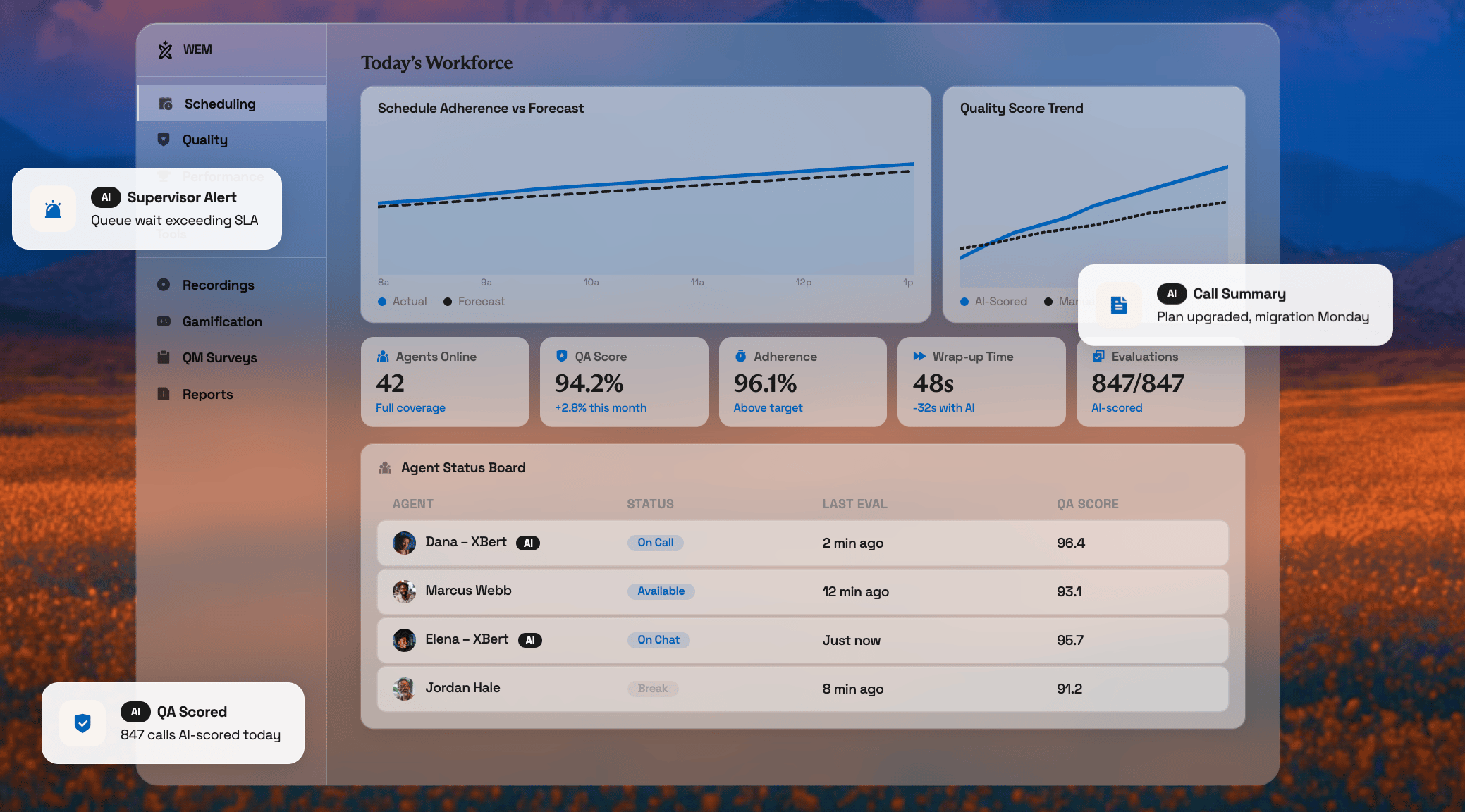
Use data-driven workforce management
E-commerce support demand changes constantly during product launches, flash sales, and holiday shopping periods. You should use forecasting tools, historical data, and real-time analytics to schedule the right number of agents and maintain service levels during traffic spikes.
Cross-training agents across multiple channels also improves productivity. During slower call periods, you can redirect agents toward SMS, email, live chat, or social media conversations to maximize good results.
Prioritize first-contact resolution (FCR)
Customers expect quick issue resolution without repeated follow-ups. You should give agents instant access to customer history, order details, payment information, shipping updates, and previous conversations so they can resolve problems during the first interaction whenever possible.
Automate repetitive support tasks
AI-powered automation can handle routine customer requests like order tracking, refund updates, password resets, delivery notifications, and frequently asked questions.
Automating repetitive workflows reduces agent workload, speeds up issue resolution, and allows teams to focus on phone support with more complex customer issues that require human assistance.
Monitor customer conversations continuously
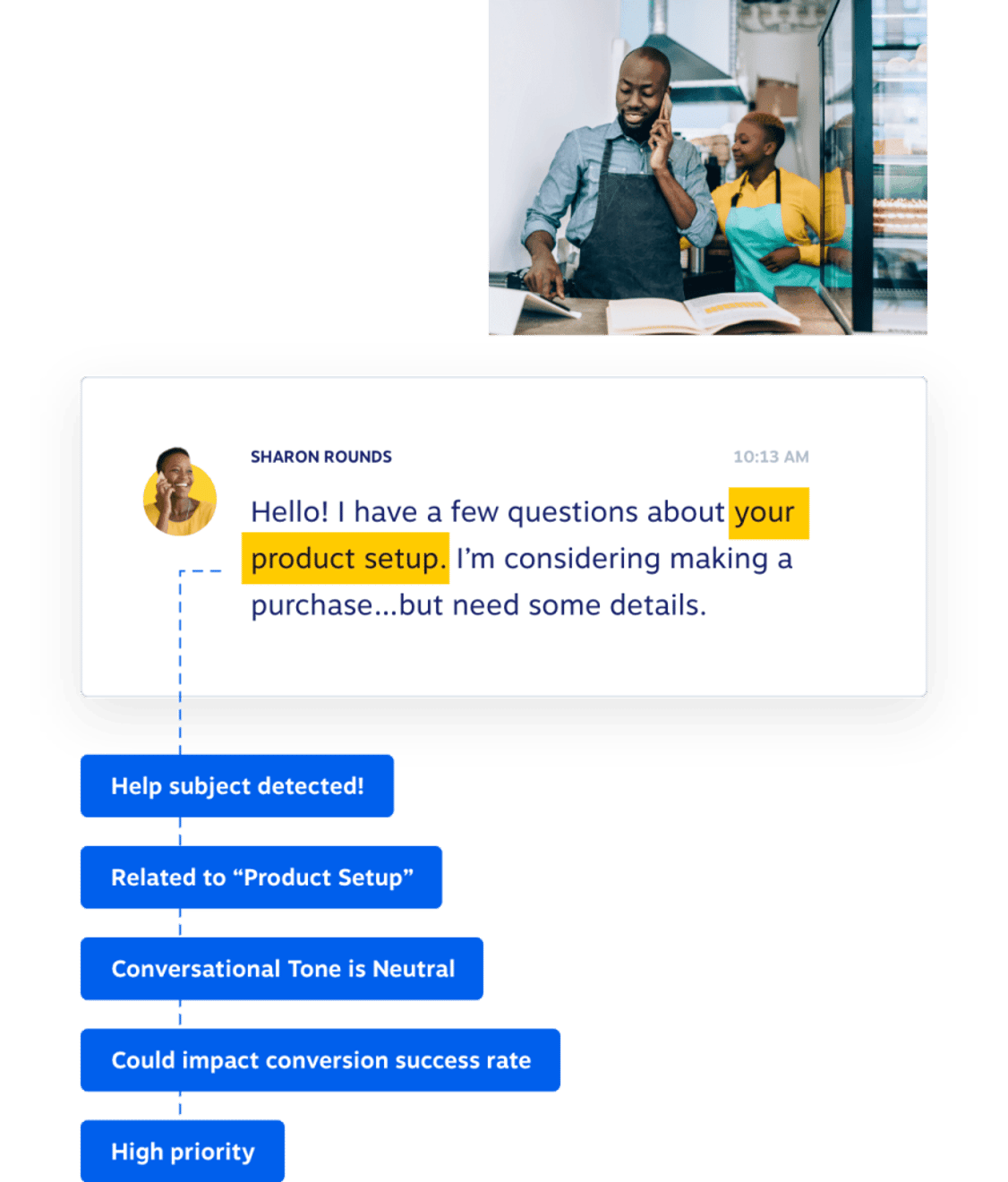
Modern quality assurance tools allow businesses to analyze conversations in real time using speech analytics, sentiment analysis, and automated call monitoring.
You can identify recurring customer complaints, track agent performance, detect negative sentiment early, and improve training programs using real customer interaction data instead of random call reviews.
Create a strong feedback loop between departments
Customer support teams often identify operational problems before other departments notice them. Shipping delays, checkout issues, sizing concerns, damaged products, and website errors usually appear first through customer conversations.
You should regularly share support insights with marketing, logistics, product, and ecommerce teams to reduce recurring problems and improve customer experience across the entire business.
Track important e-commerce support KPIs
Monitoring performance metrics consistently helps e commerce companies identify operational gaps and deliver great customer service quality over time. Key e-commerce call center KPIs include:
- First-contact resolution (FCR)
- Average handle time (AHT)
- Customer satisfaction (CSAT)
- Abandonment rate
- Response time
- Ticket resolution time
- Agent productivity
- Customer retention rate
How to Choose the Right E-Commerce Call Center Software
Instead of focusing only on basic features, brands should evaluate how well the software integrates with existing systems, supports omnichannel communication, handles automation, protects customer data, and scales with long-term growth.
1. Look for strong e-commerce integrations
Your call center software should connect directly with ecommerce platforms, CRM systems, payment tools, and order management software. Strong integrations allow agents to instantly access:
- Customer purchase history
- Shipping and tracking details
- Payment information
- Order status updates
- Customer lifetime value (LTV)

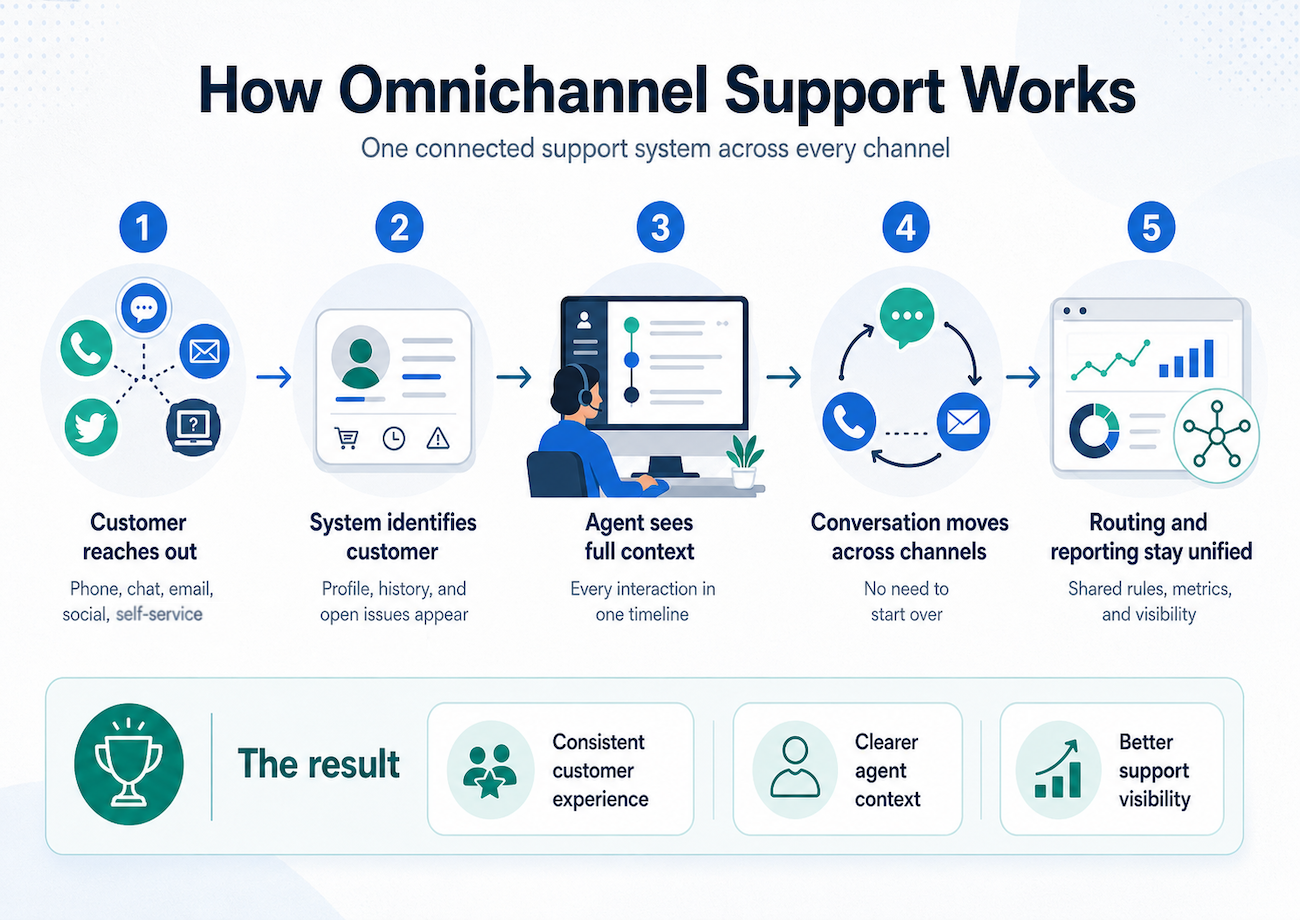
2. Choose true omnichannel support
Customers may start with live chat, continue through SMS, and later contact support by phone or email. The right platform should unify conversations from phone calls, live chat, sms, email, social media, and messaging apps
Agents should view every interaction from one dashboard so customers don’t need to repeat information multiple times.
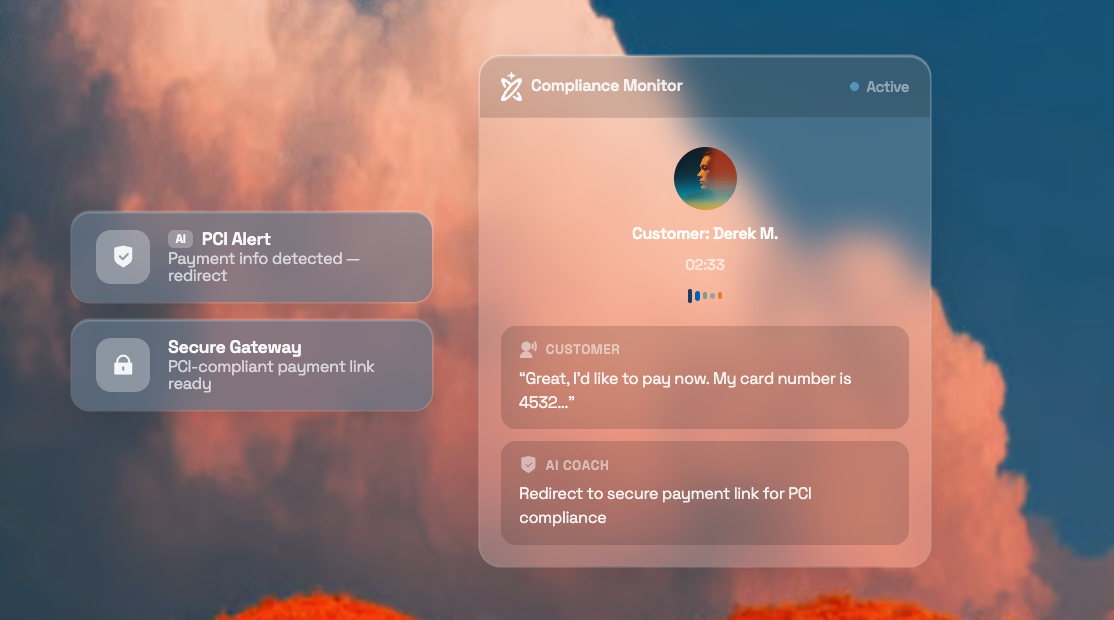
3. Prioritize security and compliance
Your software should include strong security protections and compliance support. Strong security standards protect both customer trust and business operations. Look for platforms that support:
- PCI-DSS compliance
- GDPR and CCPA compliance
- SOC 2 Type II certifications
- Secure payment handling
- Automatic call recording controls for sensitive billing data
4. Evaluate AI and automation features
Modern call center software should reduce repetitive workloads through automation and AI-powered support tools. Key capabilities may include:
- AI chatbots and virtual assistants
- Automated order tracking updates
- Intelligent call routing
- Self-service workflows
- Real-time agent assistance
- Sentiment analysis and conversation insights

5. Review scalability and platform reliability
Your software should scale without disrupting service quality. Look for cloud-based platforms that offer high uptime reliability, flexible user licensing, remote team support, real-time reporting dashboards, and easy onboarding for seasonal agents
A scalable platform allows businesses to grow support operations without rebuilding their entire customer service infrastructure.
Related: How to Improve Your Ecommerce Customer Experience
Manage Your Store’s Customer Service Better With Nextiva
E-commerce businesses benefit from specialized call center solutions, especially if they’re actively experiencing growth and a high volume of support calls.Â
The bottom line is that advanced support features, including streamlined call routing, call recording, call analytics, and inbound and outbound functions, can help your team sell more while improving the customer experience.Â
Digital customer service is more important than ever before, and we can help. Nextiva’s call center solutions offer the following benefits:
- Fully scalable: Scale your service up and down as needed, adding or subtracting lines and upgrading or downgrading plans.
- Transparent pricing: No hidden fees, so you know exactly what you’re paying for when choosing Nextiva.Â
- Reliable service: Receive 99.999% uptime and high-quality voice and video calls.Â
- Advanced call features: Depending on your plan selection, features like call routing, IVR, auto-attendants, call recording, and payment processing can improve agent and customer workflows.
- Call analytics: Make data-driven decisions regarding agent scheduling, training, and policies that improve operational efficiency and customer support quality.Â
It’s a win-win with Nextiva.
Nextiva’s inbound call center solutions helps e-commerce businesses deliver outstanding customer experiences.
Frequently Asked Questions About E-Commerce Call Center Software (FAQs)
Yes. Most modern cloud-based platforms allow businesses to manage remote and distributed support teams from anywhere. Agents can manage calls, chats, dashboards, and customer data through an internet connection without relying on physical office infrastructure.
AI helps automate repetitive tasks like order tracking, refund requests, appointment scheduling, and FAQ responses. Many platforms also use AI for sentiment analysis, intelligent routing, chatbots, and real-time agent assistance to improve operational efficiency.
Businesses can choose different types of e-commerce call center software based on their support needs, customer communication strategy, and operational goals.
Omnichannel support platforms: Combine phone, chat, SMS, email, and social conversations into one centralized system.
AI-powered customer service platforms: Automate repetitive support tasks using AI chatbots, intelligent routing, and sentiment analysis.
Cloud-based call center software: Supports remote teams, flexible scaling, and online support management without physical infrastructure.
Recommendation and personalization platforms: Use customer behavior and purchase history to personalize interactions and recover abandoned carts.over abandoned carts.
Yes. Many cloud-based e-commerce call center platforms offer flexible pricing and scalable features designed for small businesses. These tools help smaller teams manage customer communication without investing in large support infrastructures.
Brands outsource ecommerce customer service to focus on their core operations and prioritize providing the best possible product.
24/7 global reach: Outsourcing customer support ensures 24/7 support across time zones or holidays to maintain satisfaction, with specialized tools handling calls in over 30 languages.
Instant elastic scalability: E-commerce is unpredictable. Outsourcing offers an instant backup to quickly scale agent coverage during peak shopping periods without the expensive overhead of a large teams.
Team extension: Professional support boosts trust and higher satisfaction, acting as a trained, knowledgeable extension of your internal team.
Most e-commerce brands use a strategic mix of both AI and human agents for customer support.
Setting up an e-commerce solution is very fast with AI tools. AI-powered software manages conversations 24/7 without constant human intervention, automatically resolving a significant percentage of customer inquiries.
AI frees human agents to focus on complex sales and customer problems. The quality of human interaction remains the primary differentiator for brand loyalty, fostering repeat purchases.
While personalized interactions build loyalty, advanced analytics tools track KPIs like average handling time and customer satisfaction. Regular analysis of call transcripts and surveys helps managers quickly identify recurring product defects or website issues, while reducing agent churn, which cuts call center costs.
The post E-Commerce Call Center Software: What Brands Need to Know appeared first on Nextiva Blog.