 Wonderwall
 Members of President Donald Trump‘s family could be deposed and compelled to turn over communications in his $10 billion lawsuit against the BBC, even if he succeeds in limiting scrutiny of his business records, a defamation lawyer and law professor told Newsweek.
Deanna Shullman, a Florida media and First Amendment lawyer who has defended hundreds of defamation cases, said relatives with information relevant to Trump’s alleged damages or the truth of the BBC’s disputed portrayal could be considered “fair game” for discovery.
“They could be deposed, but they could also be asked to produce documents like their correspondence with the president,” Shullman told Newsweek. “They may be asked to produce documents related to the truth or falsity of the statement at issue. They may be asked to produce communications with the president and they may be deposed. I think it is fair game.”
Howard Wasserman, a law professor at Florida International University specializing in civil litigation, federal courts and media law, said Trump’s relatives could be treated as nonparty witnesses if they possess relevant information.
“There should not be anything sacrosanct about them, to the extent they possess relevant information to the case,” Wasserman said. “They are potential non-party witnesses with knowledge of the business, just like many people, including members of the parties’ families, are non-party witnesses to cases all the time.”
Why Trump’s finances entered the case
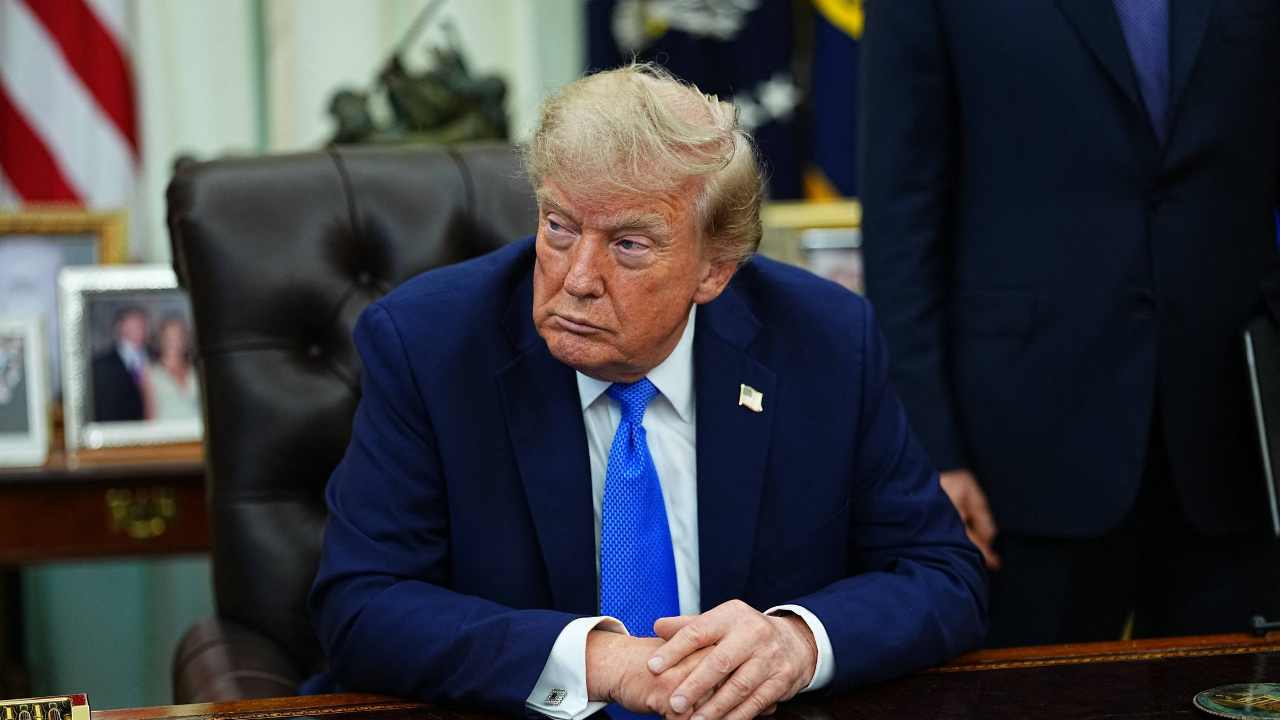
The dispute over Trump’s financial records stems from damages alleged in his original complaint, filed in the U.S. District Court for the Southern District of Florida in December 2025.
Trump claimed the BBC documentary caused “extensive economic harms,” injured his “business and personal brand value” and damaged his future financial prospects. He also alleged harm to his properties, businesses and reputation as a businessman.
The BBC argued it needed financial evidence to determine whether Trump’s businesses had lost value because of the documentary and whether his damages claim was supported. The broadcaster subpoenaed the Donald J. Trump Revocable Trust, which holds Trump’s business assets, seeking records about the trust’s holdings and the performance of Trump-linked entities.
Magistrate Judge Enjoliqué Lett ruled that Trump had placed his business interests and financial condition at issue by alleging economic injury. She granted the BBC’s request in part, ordering the trust to produce a narrower set of records beginning August 6.
Trump then moved to amend his complaint to remove allegations that the documentary damaged his businesses, arguing the change would make the trust’s financial records irrelevant. His attorneys sought an emergency pause before the production deadline.
At a July 21 discovery hearing, Trump’s attorney Brito argued that the case had narrowed since it was filed.
“The damages are limited in a way that is different from when the case was originally filed,” Brito told the court. “Even if there has been a harm to the brand, we are not pursuing that as part of our damages….It’s a far more narrow scope of what this case is about.”
U.S. District Judge Roy Altman granted a temporary reprieve on August 6, saying Trump had presented a “compelling” argument that the amendment could eliminate the need to compel confidential information from a nonparty.
The ruling did not overturn Lett’s order or permanently shield the records. Instead, it suspended production while the court considers whether to allow Trump’s amended complaint, which was filed under seal on August 4.
In an August 5 filing, Brito called the subpoena the trust’s “entire financial universe” and said it was “not tailored” to determining whether the documentary caused the alleged harm.
Trump’s legal team separately accused the BBC of “clearly political motivations,” arguing that the broadcaster’s “motive could not be more transparent — to wrongly exploit this litigation for its own political benefit, as well as the benefit of President Trump’s other political opponents,” and that “the moment those records reach the BBC, the injury is complete and irreversible.”
The White House declined to comment to Newsweek on August 8.
A spokesman for Trump’s legal team told Newsweek in an emailed statement: “The formerly respected and now disgraced BBC defamed President Trump by intentionally, maliciously and deceptively doctoring his speech in a brazen attempt to interfere in the 2024 Presidential Election. The BBC has a long pattern of deceiving its audience in coverage of President Trump, all in service of its own leftist political agenda. President Trump’s powerhouse lawsuit is holding the BBC accountable for its defamation and reckless election interference just as he has held other fake news mainstream media responsible for their wrongdoing.”
Could Trump keep his finances and family out of the case?
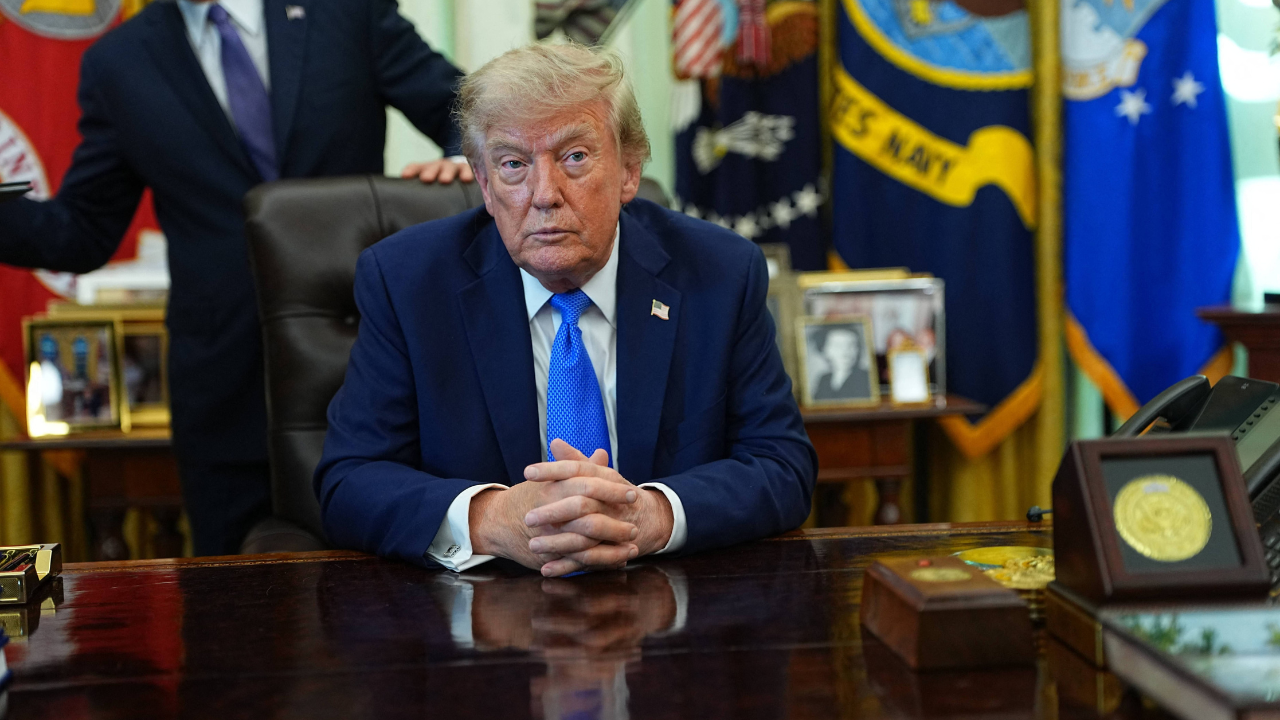
Because the proposed amendment remains under seal, its precise language and how completely it abandons business-related damages remain unclear.
Shullman and Wasserman said Trump’s strategy will depend on whether Altman allows the amendment and how fully the new complaint separates his alleged reputational injury from his business interests. Both said it was difficult to predict the outcome without seeing the filing.
Shullman said Trump could potentially avoid financial discovery if he abandons economic damages entirely and limits his claims to mental or emotional distress.
“If the amendment disclaims all economic damages and really just focuses on mental health or emotional distress damages, the president may be successful in avoiding that discovery,” she told Newsweek.
However, Shullman said it would be “very tricky” for Trump to exclude his finances if the amended complaint links his personal reputation to the value of his assets, businesses or brand.
“Where he will run into problems is if he tries to backdoor economic damages as personal harm,” she said, adding that the BBC could argue financial evidence remains relevant despite changes to the complaint.
Wasserman told Newsweek: “Everything depends on whether the court allows Trump to file the amended complaint, what is in it and the basis for his damages. Although I am not sure what damages Trump could claim if not to his businesses.”
Even if Trump shields his financial records, Shullman said relatives could still become witnesses because they may have relevant information about the documentary’s impact on Trump, his alleged damages or the truth of its disputed portrayal.
“I think it is quite possible that the family members will still have very relevant information about President Trump’s damages in this case,” she said. “They may also have relevant information about other issues in the case, truth being one of them.”
What is the Trump-BBC lawsuit about?
Trump sued the BBC in December 2025 over an episode of its Panorama documentary series titled Trump, a Second Chance, which aired in the United Kingdom before the 2024 presidential election.
The program combined portions of Trump’s January 6, 2021, speech that were delivered nearly an hour apart, making them appear to be part of one continuous statement.
Trump alleges the edit falsely suggested that he directly encouraged supporters to attack the U.S. Capitol, damaging his reputation, brand and businesses. His lawsuit seeks $5 billion for alleged defamation and another $5 billion for alleged unfair trade practices under Florida law.
The BBC apologized for the edit and acknowledged that it created the mistaken impression of a direct call for violent action. The broadcaster denies defaming Trump and is seeking to have the case dismissed, arguing, among other things, that a Florida court lacks jurisdiction over the U.K.-based broadcaster. That motion remains unresolved.

 Nabamart
  Hippocampus
  Westwood One Sports
  The Independent - World
  Channel NewsAsia - World
  Zooniverse